


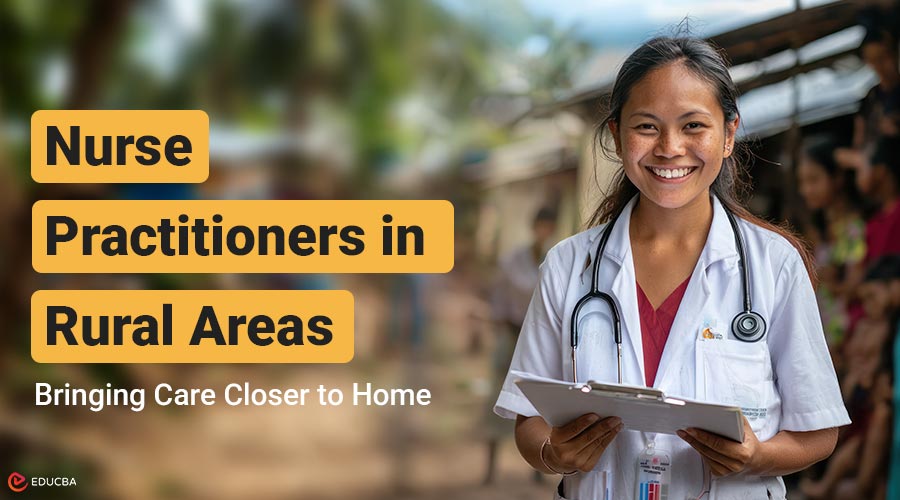
The Growing Importance of Nurse Practitioners in Rural Areas
The physician shortage in rural America is not new, but it is worsening. Fewer than 10 percent of U.S. doctors serve the 20 percent of people who live in rural areas. The pipeline is not fixing itself. Medical school graduates continue to concentrate in urban and suburban markets at rates that leave rural health systems chronically understaffed. Nurse practitioners in rural areas have stepped into that gap with measurable effect, helping communities maintain access to primary and preventive healthcare.
The expansion of nurse practitioner (NP) education programs is becoming one of the most practical solutions available for addressing rural healthcare access at scale. The connection between graduate nursing education and rural health outcomes is direct. More nurse practitioners in rural areas means more providers available to serve communities where a primary care visit might otherwise require a two-hour drive.
The Scale of Rural Healthcare Shortage
Most federally designated Health Professional Shortage Areas are in rural regions, especially in primary care. Chronic disease management, preventive care, maternal health, and behavioral health services are all areas where rural populations face access barriers that translate directly into worse health outcomes. Higher rates of unmanaged hypertension, later-stage cancer diagnoses, higher maternal mortality, and limited mental health support are common challenges. These are not abstract statistics.
They represent patients who delayed care because no provider was available within a reasonable distance, or who skipped follow-up visits because taking a day off work to travel to a specialist was not financially viable. This is where nurse practitioners in rural areas play a crucial role. Nurse practitioners, particularly family nurse practitioners trained in across-the-lifespan primary care, are well-suited to serve as the consistent, accessible providers that rural communities need but currently lack.
How NP Training Prepares Graduates for Rural Practice?
Family nurse practitioner programs build a clinical skill set that maps directly onto the demands of rural primary care. Graduates manage acute and chronic conditions across age groups, order and interpret diagnostics, prescribe medications, and provide preventive care. These competencies allow nurse practitioners in rural areas to serve as comprehensive healthcare resources for small communities that may have limited medical facilities or specialists. Rural practice also demands a degree of clinical independence that NP education supports. In settings where specialist referral may mean a months-long wait and a significant patient burden, the ability to manage a broader scope of conditions confidently is not optional; it is essential.
Programs that include population health, community-based care, and care coordination alongside clinical training produce graduates who understand rural health not just as a practice setting but as a distinct healthcare ecosystem with its own challenges and strengths. For nurses in the region considering this path, NP programs in Texas offer accessible graduate education that can be completed without relocating, keeping working nurses embedded in their communities as they build the credentials to serve them at a higher level.
Policy Factors Affecting Nurse Practitioners in Rural Areas
Scope-of-practice laws are among the most significant factors determining the impact that nurse practitioners in rural areas can have. In full practice authority states, NPs can open independent clinics, serve as sole providers in rural health centers, and practice without the administrative burden of maintaining a physician collaboration agreement. That autonomy is operationally critical in rural communities where finding a physician willing to serve as a collaborating partner may itself be difficult.
States that have expanded NP practice authority have seen measurable improvements in rural provider availability and patient access metrics. The policy argument for full practice authority is especially strong in rural healthcare contexts, where the alternative to an independent NP practice is often no practice at all.
Why Online NP Education Specifically Supports Rural Communities?
One underappreciated advantage of online graduate nursing programs is their effective support for nurse practitioners in rural areas. Nurses living and working in small towns do not have to relocate to a university city to earn an NP credential. Instead, they can complete coursework remotely while continuing to work in their communities. When they graduate, they already work within the local healthcare system and actively contribute to it.
They know their patient population, have established relationships with community organizations, and understand the region’s healthcare needs. This pipeline of rural nurses becoming nurse practitioners in rural areas, educated online and practicing locally, is one of the most sustainable models for strengthening rural healthcare capacity. It begins with accessible graduate education that allows nurses to stay connected to the communities they intend to serve.
Recommended Articles
We hope this guide on nurse practitioners in rural areas helps you understand how NPs are improving healthcare access in underserved communities. Explore the recommended articles below for more insights on rural health, primary care solutions, and advanced nursing education.


