


Introduction to Wolffia
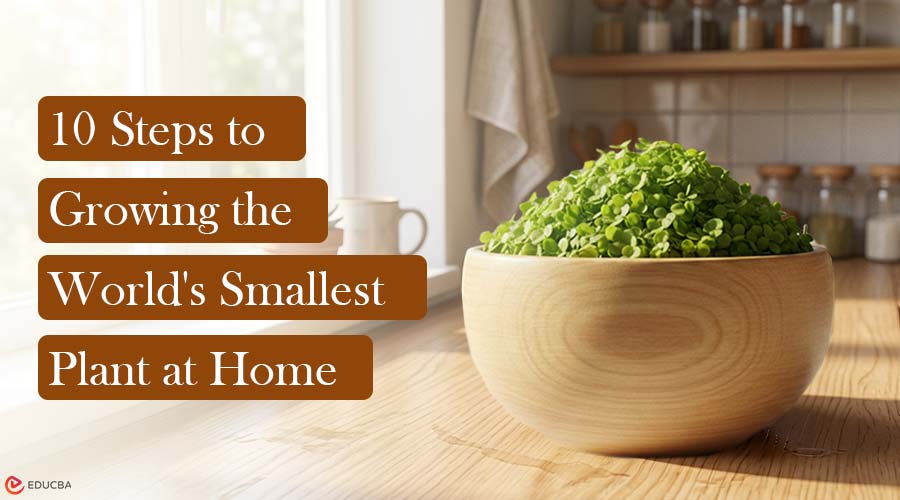
Wolffia, also known as watermeal or the miniature relative of duckweed, is recognized as the tiniest flowering plant in the world. A single plant is roughly the size of a grain of sand. Yet, this aquatic micro-green packs a serious nutritional punch, offering high protein content, essential amino acids, B vitamins, and minerals that rival many conventional superfoods. In Southeast Asia, it has been eaten for centuries. In labs and sustainability circles, it is increasingly studied as a scalable food source for a resource-constrained future. For those interested in sustainable nutrition and aquatic gardening, learning how to grow Wolffia at home is becoming an appealing and practical option.
Whether you are a hobbyist grower, a sustainability enthusiast, or someone curious about aquatic gardening, learning how to grow Wolffia at home is surprisingly achievable. It requires no soil, minimal space, and very little investment. The following guide walks you through all the steps needed to cultivate a thriving Wolffia culture.
10 Steps for how to grow Wolffia at home?
1. Understand What You Are Working With
Before you acquire a starter culture, take time to understand Wolffia’s biology. Unlike most aquatic plants, Wolffia has no roots or leaves; it is simply a tiny, oval-shaped thallus floating at the water’s surface. It reproduces asexually through budding, meaning a healthy culture can double in biomass in as little as two to four days under optimal conditions.
There are roughly 11 species in the genus, with Wolffia globosa and Wolffia arrhiza being the most commonly cultivated for food and research purposes. Understanding which species you have will help you accurately calibrate your growing conditions. Knowing your Wolffia species is crucial when learning to grow Wolffia at home, as it helps you optimize water, nutrients, and light to achieve maximum growth.
2. Harvest Correctly and Consistently
One counterintuitive aspect of Wolffia cultivation is that regular harvesting actually promotes faster growth. When the culture becomes too dense, plants shade each other, and nutrient competition slows overall productivity.
- A good rule of thumb is to harvest roughly 20–30% of your total biomass every two to three days once the culture reaches a dense, healthy mat.
- Harvest using a fine-mesh strainer or a piece of cheesecloth stretched over a frame.
- Rinse the harvested material with clean water before consuming or further processing.
Consistent harvesting not only maintains the culture’s health but also stimulates rapid growth.
3. Choose Your Growing Container
Wolffia is not picky about containers, but surface area matters more than volume. Because the plant floats at the water’s surface and relies on light penetration, wide, shallow containers outperform tall, narrow ones. Suitable options include:
- Glass aquariums or plastic storage totes (10–20 gallon size works well for home growers)
- Wide, shallow trays lined with food-safe plastic
- Clear plastic bins that allow light access from multiple angles
Avoid containers made from reactive metals. Glass or food-grade plastic is ideal. Rinse everything thoroughly before use and, if possible, sterilize with a diluted bleach solution, then rinse several times again. Selecting an appropriate container is crucial for effectively growing Wolffia at home.
4. Prepare the Growing Medium
Wolffia grows in water, not soil, but nutrient-poor water will produce a weak, slow-growing culture. The simplest approach for beginners is a diluted aquatic plant fertilizer solution. Look for fertilizers that contain nitrogen, phosphorus, and potassium in a roughly balanced ratio, along with trace micronutrients.
- A widely used option among researchers is a Hoagland solution or a modified version.
- Commercially available aquatic plant fertilizers also work well in practice.
- Target a nutrient solution with a pH between 6.5 and 7.5 and an electrical conductivity (EC) in the range of 1.0 to 2.0 mS/cm.
A basic aquarium pH test kit is sufficient for monitoring; you do not need laboratory equipment. Maintaining healthy water quality is one of the most direct ways you can support your wellbeing through plant-based nutrition. For additional guidance on supporting overall wellness, exploring reliable basic health tips can complement your growing routine.
5. Optimize Your Light Setup
Light is the engine of Wolffia growth. In the wild, it thrives in calm, sunlit freshwater bodies. At home, you have two main options:
- Natural sunlight: A south-facing windowsill (in the Northern Hemisphere) that receives at least six hours of direct or bright indirect light can work well, particularly in spring and summer. Avoid prolonged direct afternoon sun in summer, which can raise water temperatures above the plant’s comfort zone.
- Artificial lighting: A full-spectrum LED grow light set to a 16-hour photoperiod (16 hours on, 8 hours off) produces consistent, reliable growth year-round. Keep the light source 15–25 cm above the water surface and adjust based on the plant’s growth rate.
Pale, yellowish coloration indicates light deficiency. Deep green, dense growth is a sign your light setup is working. Ensuring proper lighting is crucial to successfully growing Wolffia at home.
6. Manage Water Temperature
Wolffia thrives in water temperatures ranging from 20°C to 30°C (68°F to 86°F), with optimal growth usually around 26°C (79°F).
- Below 15°C, growth slows dramatically.
- Above 35°C, cellular stress can inhibit reproduction and increase the risk of die-off.
For most indoor home environments, room temperature water is close enough. In cooler climates, an aquarium heater with a thermostat is a simple, inexpensive solution. In hot climates, keeping your growing container out of direct afternoon sun and in a climate-controlled room will help prevent overheating. Proper temperature management is essential when learning how to grow Wolffia at home.
7. Maintain Aeration and Water Movement
Although Wolffia is a surface-floating plant that does not benefit from vigorous aeration like submerged aquatic plants, very gentle water circulation helps in several ways:
- Distributes nutrients more evenly throughout the water column
- Prevents localized stagnation
- Discourages the formation of biofilms on the container walls
A small aquarium air stone running on a low setting is ideal. Avoid strong aeration, which can break up the Wolffia mat and push plants to the container edges. Proper water movement helps maintain a healthy culture for anyone practicing how to grow Wolffia at home.
8. Source a Quality Starter Culture
Your results depend heavily on starting with clean, uncontaminated Wolffia. Options include:
- University biology departments or aquatic plant labs that maintain research cultures
- Online aquatic plant communities and forums
- Specialty aquatic plant vendors
- Natural freshwater sources (though wild cultures carry contamination risks)
When sourcing from the wild, be aware that you may inadvertently introduce competing algae, pathogens, or invasive duckweed species. A clean, commercially or academically sourced culture will give you a much more reliable start, which is critical when learning how to grow Wolffia at home.
9. Prevent and Manage Contamination
Contamination is the most common challenge Wolffia growers encounter. Competing algae, particularly green filamentous algae, can overtake a culture quickly if conditions favor them over Wolffia. Signs of Contamination include:
- Green or brown strands are visible in the water
- A slimy film is developing on the water’s surface
- Unusual odors (healthy Wolffia has a mild, fresh, grassy smell)
- Rapid decline in plant density despite stable conditions
Prevention is easier than a cure. Keep your growing area clean, use only clean tools and water, and avoid introducing external plant material without inspection. If Contamination occurs, the most reliable response is to isolate a small sample of clean Wolffia in sterile water and start a fresh culture.
10. Scale Up and Experiment
Once you have a stable, productive Wolffia culture running, the natural next step is to scale up or experiment. Serious growers often run multiple containers simultaneously:
- One as a primary harvest culture
- One as a backup
- One for nutrient or light experiments
This redundancy protects your culture if one container fails. Beyond fresh consumption, harvested Wolffia can be dried at low temperatures (below 50°C to preserve nutrients), blended into smoothies, incorporated into baked goods, or used as a protein supplement. Ongoing research continues to explore its potential as an ingredient in sustainable food manufacturing, animal feed, and even bioremediation of wastewater. Scaling and experimentation are essential steps for learning to grow Wolffia effectively at home.
Final Thoughts
Wolffia cultivation sits at an interesting intersection of aquatic gardening, sustainability, and functional nutrition. It demands very little in terms of space, equipment, or ongoing labor, yet rewards patience and consistency with rapid, measurable growth. Starting small, a single container, a clean starter culture, and a reliable light source are all you need to begin. From there, dialing in temperature, nutrients, and harvesting cadence becomes an engaging, data-driven practice.
For a plant measured in fractions of a millimeter, Wolffia offers a surprisingly large return. Learning how to grow Wolffia at home is a practical, sustainable, and rewarding endeavor for hobbyists, nutrition enthusiasts, and sustainability advocates alike.
Recommended Articles
We hope this guide on growing Wolffia at home helps you cultivate the world’s smallest flowering plant with confidence and consistency. Explore these recommended articles for additional insights and practical strategies to strengthen your knowledge of aquatic gardening and sustainable growing practices.

