


Attorney Negligence: When to Seek Justice for Your Case
When you hire an attorney, you expect them to protect your rights and advocate for the best possible outcome. However, sometimes attorneys’ conduct falls below professional standards and causes serious harm, like financial loss and reputational damage. If you believe you have lost money, rights, or legal opportunities because of your lawyer’s negligence, here are the top eight signs that you might have a legal malpractice claim.
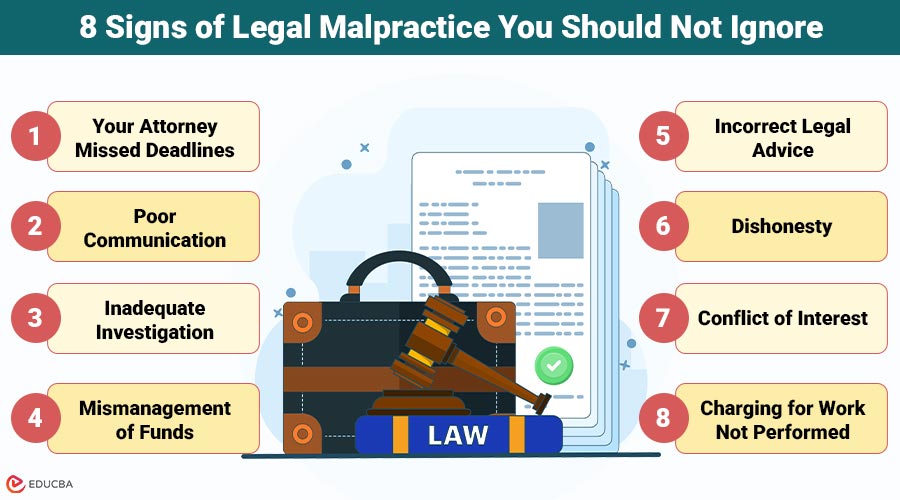
8 Signs of Legal Malpractice You Should Not Ignore
Here are the key signs that may indicate your attorney’s negligence.
1. Your Attorney Missed Deadlines
Deadlines are critical and non-negotiable. Filing deadlines and statutes of limitations are strictly enforced. However, administrative errors of this nature are a common source of malpractice claims. When your lawyer misses a filing deadline, fails to appear in court, does not respond to motions, or fails to serve documents properly, you pay the price. If you suspect your lawyer missed a deadline or a filing error harmed your case, it is smart to consult a legal malpractice attorney right away. After reviewing your court records and case file, they will tell you if the mistake meets the standard for negligence required for pursuing a lawsuit.
2. Poor Communication
Lawyers are required to keep their clients informed about the status of their cases. When an attorney would not return phone calls, does not provide case updates, and fails to discuss risks, it leaves their clients vulnerable. If your lawyer consistently ignored your calls or emails, even unintentionally, that could be considered neglect. If important developments occurred in your case and no one informed you, treat that as a red flag. Your lawyer also has a duty to explain their legal strategy, risks, and potential outcomes. If they made significant decisions without consulting you, it could constitute a breach of duty. Likewise, if your lawyer never told you about settlement offers as they arose, that may have impaired your ability to make informed decisions.
3. Inadequate Investigation
Lawyers must be thorough when preparing cases to provide competent representation. If your attorney failed to gather evidence, consult experts, or prepare witnesses, it may have negatively impacted your case. This can include ignoring critical documents, overlooking testimony, and choosing not to bring in experts when needed.
4. Mismanagement of Funds
Attorneys must protect client funds held in trust accounts. If someone delays, withholds, or misapplies your settlement funds, they may be in violation of the law. As a client, you have the right to know exactly what funds your attorney receives and how they disburse them. Your attorney can not just make up fees and withdraw them from your account.
5. Incorrect Legal Advice
Sometimes lawyers give their clients bad legal advice. Although not every unfavorable case outcome qualifies as legal malpractice, sometimes it does. If another reasonably competent attorney had given the right advice, you might have a case. For example, if your lawyer advised you to sign away claims without explaining the consequences, you could consider that negligence.
6. Dishonesty
You should be able to trust your lawyer, especially since you need to rely on them to tell you what is going on. However, sometimes attorneys misrepresent court actions or alter records. These are serious breaches. If your lawyer continually blames the court, clerks, or opposing counsel without any proof, that could be a red flag that indicates they are hiding something. Dishonesty can cause serious harm because it prevents you from mitigating damage early. In some cases, this type of negligence is considered an ethical violation or fraud.
7. Conflict of Interest
Your lawyer is legally required to provide you with undivided loyalty. If your attorney represented a party with interests that conflicted with yours, that is a serious ethical violation. Other violations include holding a financial stake in a business involved in your case and failing to get written informed consent when waiving a conflict of interest.
8. Charging for Work Not Performed
If your invoices reflect court appearances, research, or communications that never happened, that should be a concern. Even what seems like a simple fee increase can be considered malpractice. Attorneys who increase their fees in the middle of a case or inflate their billable hours are not acting ethically.
Final Thoughts
Just because you lost your case does not mean it was malpractice. There are no guarantees in the legal system. However, if your attorney’s conduct fell below professional standards and caused you harm, you have the right to seek justice. Whether it was a missed deadline, undisclosed conflict of interest, mishandled funds, or outright bad legal advice, you might have a legal malpractice claim. If you suspect your lawyer caused you harm, consulting a legal malpractice attorney can help you get justice.
Recommended Articles
We hope this guide on legal malpractice helps you understand attorney responsibilities. Check out these recommended articles for more insights on protecting your legal rights.

