


Updated March 12, 2026
How to Use SEO Data to Identify Market Shifts?
SEO data is the trail of clues people leave behind every time they search online. From emerging keywords to click-through rates and engagement metrics, these signals collectively form a real-time picture of consumer demand. While SEO data is not perfect, its speed and immediacy make it one of the most effective tools to identify market shifts early. Markets evolve constantly due to factors such as new technologies, changing customer expectations, regulatory updates, and competitive moves.
Brands that use SEO data to identify market shifts early gain a crucial advantage: time. Time to adapt products, reposition messaging, and realign go-to-market strategies before changes fully surface in revenue reports. On this page, you will learn what SEO data is, why it matters, and how to use SEO data to identify market shifts before they become obvious.
Understanding SEO Data and its Role in Marketing
Search engine optimization (SEO) involves improving how your content appears in organic search results by aligning it with what users search for and how search engines display results. Beyond rankings, SEO data captures intent and behavior in real time, making it a valuable signal for understanding market movement. To make sense of it, it helps to break SEO data into a few useful buckets.
Key Terminologies for SEO Data
SEO data can be grouped into the following buckets, each offering insight into changing demand patterns:
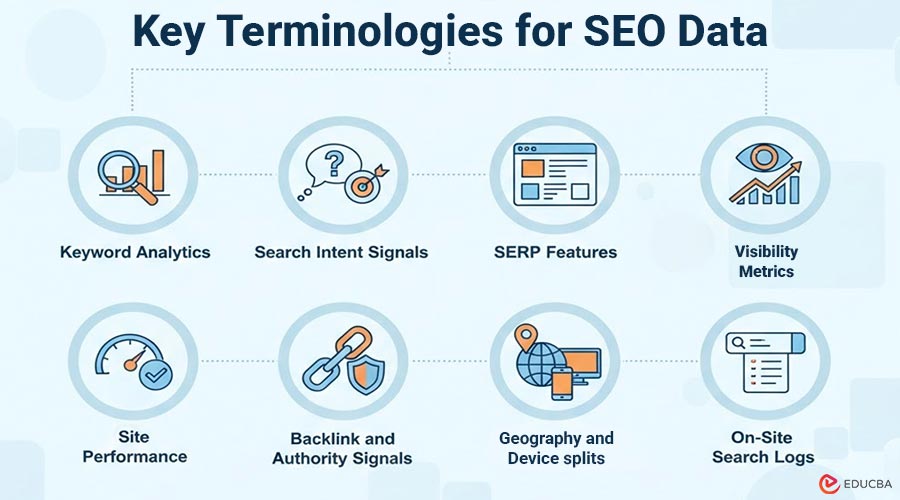
- Keyword analytics: Includes search volume, growth rates, seasonality, related queries, and “breakout” terms.
- Search intent signals: Shows you the difference between informational and transactional queries, question keywords, and comparison phrases.
- SERP features: Matters because Google shows People Also Ask, Shopping, video carousels, Top Stories, and maps, all of which shift click behavior.
- Visibility metrics: Covers impressions, rankings, click-through rate (CTR), and share of voice for topics or keyword clusters.
- Site performance: Means organic sessions, landing page engagement, conversion rate, and assisted conversions.
- Backlink and authority signals: Includes referring domains, link velocity, and topical relevance of links.
- Geography and device splits: Reveals regional demand pockets and mobile versus desktop behavior.
- On-site search logs: Shows the real words customers use once they arrive, often revealing needs you did not know existed.
How SEO Data Reflects Consumer Behavior?
When people start typing “best heat pump for small apartments” instead of “gas furnace replacement,” that is not just a keyword switch. That is actually a values-and-constraints switch. You can see these shifts early in the growth of related queries. Think of the rise of “near me” or “how to” modifiers as well as the kinds of SERP features Google promotes. If video carousels begin to dominate your results, people want demonstrations and explainers over walls of text. Companies that spot these shifts early can adapt before their competitors even notice.
Top Tips for Using SEO Data to Identify Market Shifts Early
SEO data is most valuable when insights drive action. Below are practical ways to use SEO data to identify market shifts before they impact revenue.
1. Spot Early Signals of Market Shifts
You do not need perfect prediction; just consistent patterns will do. Watch for these signals:
- Breakout queries: New, fast-rising keywords and topics showing up in Google Trends or Search Console.
- Volume inversion: Flagship terms flatten or fall while long-tail or adjacent terms rise.
- Intent drift: More “compare,” or “alternatives” searches appear for your category.
- SERP reshapes: More Shopping units or local packs edging out classic organic results.
- CTR anomalies: Declining organic CTR because a new SERP feature steals attention.
- Geographic hotspots: Demand spikes in regions you have not prioritized yet.
- Branded vs. non-branded shifts: Growing generic interest can signal a widening market or weakening brand preference.
- Seasonality breaks: Typical peaks show up either earlier or later (or not at all).
One signal is not panic. Three or four together mean something’s changing.
Example:
In early 2020, searches for “home workout,” “dumbbells,” and “resistance bands” spiked sharply. You can still see the pattern in Google Trends data for “home workout”. Brands that shifted inventory, added at-home tutorials, and built programs around small-space training captured demand ahead of slower competitors.
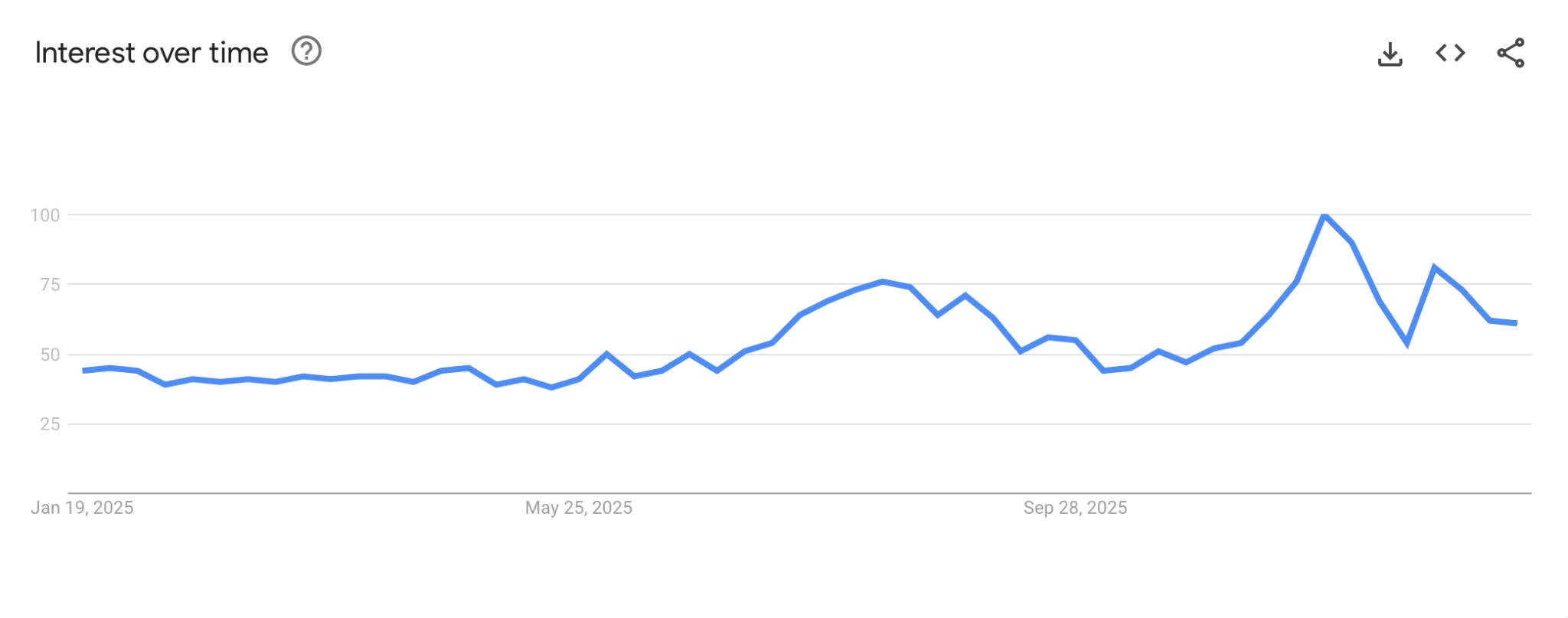
Image source: Google Trends
These shifts arrived first in SEO data, often weeks before they were obvious in sales dashboards.
2. Use Tools for Monitoring
You do not need every tool. Pick a handful that cover visibility and behavior:
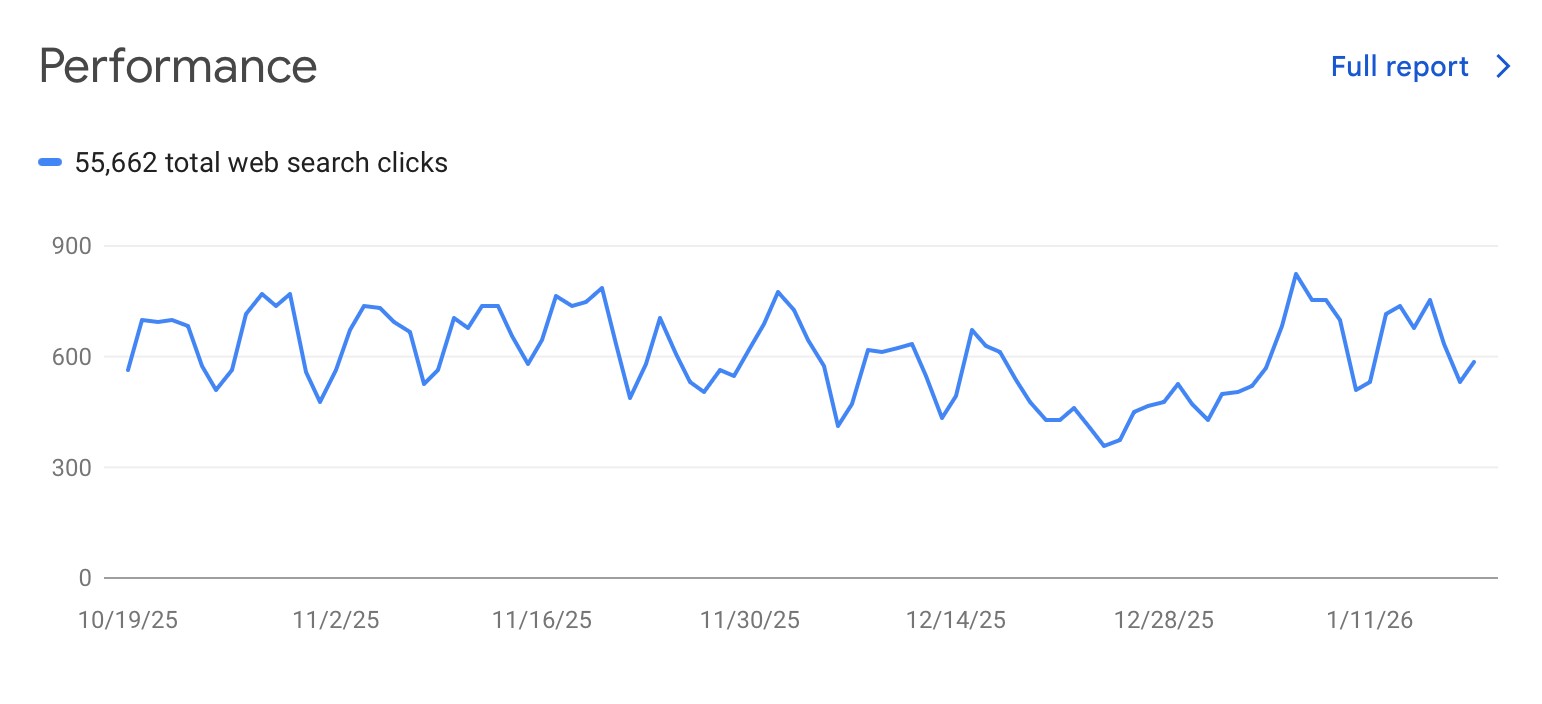
Image Source: Google Search Console
- Google Search Console: Provides query-level impressions and click-through rate (CTR).
- Google Analytics 4: Tracks organic traffic and conversions via custom insights.
- Google Trends: Shows directional interest and “rising” queries.
- Ahrefs: Covers keyword movements, SERP features, and even backlink shifts.
- Semrush: Handles topic clusters and competitive visibility.
Additional helpers include Moz, Sistrix, AccuRanker, and Similarweb for market and SERP context.
For Example:
If you run a virtual assistant agency, Google Trends can show whether searches for “virtual assistant services” or “remote admin support” are rising in your target markets. Then, use Search Console to see the exact queries people use to find your site and whether your CTR is holding up as SERP features evolve.
Lastly, tools like Ahrefs and Semrush help you track competitor rankings and keyword gaps. That way, you can adjust your positioning before demand shifts become obvious.
3. Set Up Alerts and Reports
Automated monitoring keeps you ahead of market changes by letting you know immediately, rather than discovering them in your quarterly review. Use the following tools for alerts and reports:
- GA4 custom insights: Create alerts for sudden changes in organic sessions or conversion rates. Have alerts sent by email or to Slack.
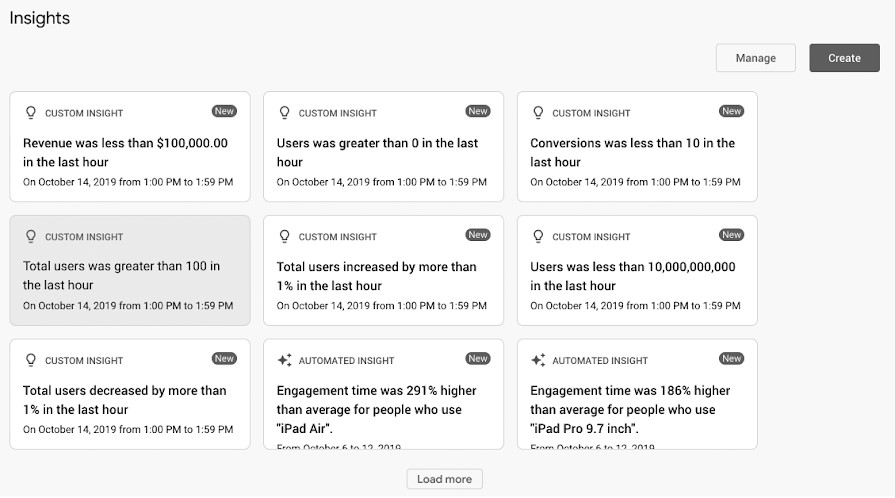
Image source: GA4 Custom Insights
- GSC email notifications: Monitor coverage issues and performance changes. Export query data to BigQuery and build trend alerts with Looker Studio.
- Google Trends subscriptions: Track topics and geographies and get email summaries for “rising” queries.
- Ahrefs Alerts and Semrush Position Tracking: Watch for new keywords, lost or gained rankings, and competitor movements.
- Workflow automation: Use Zapier or native integrations to pipe alerts into Slack or project tools so teams actually see them.
For Instance:
If you publish a new guide on financial modeling in Excel, set up GA4 alerts for sudden changes in organic traffic or conversions on that page. Use Search Console notifications to catch new queries like “Excel financial model template” or “discounted cash flow model Excel.” Also, leverage Google Trends subscriptions to track rising interest in related topics.
Finally, route all alerts into Slack with Zapier. That way, your team can respond immediately, whether that means creating a new template or launching a targeted paid campaign.
4. Strategically Respond to Market Shifts
When SEO metrics signal a shift, map out specific responses, whether that is revising content strategy or exploring new market segments.
Here are actionable strategies based on SEO insights:
- Content and page strategy: Build landing pages for rising topics and comparison keywords (“X vs Y,” “best [category] for [use case]”). Refresh high-traffic guides with updated examples and schema markup to capture rich results. Produce formats that match SERP features, such as how-to videos and short explainers for People Also Ask.
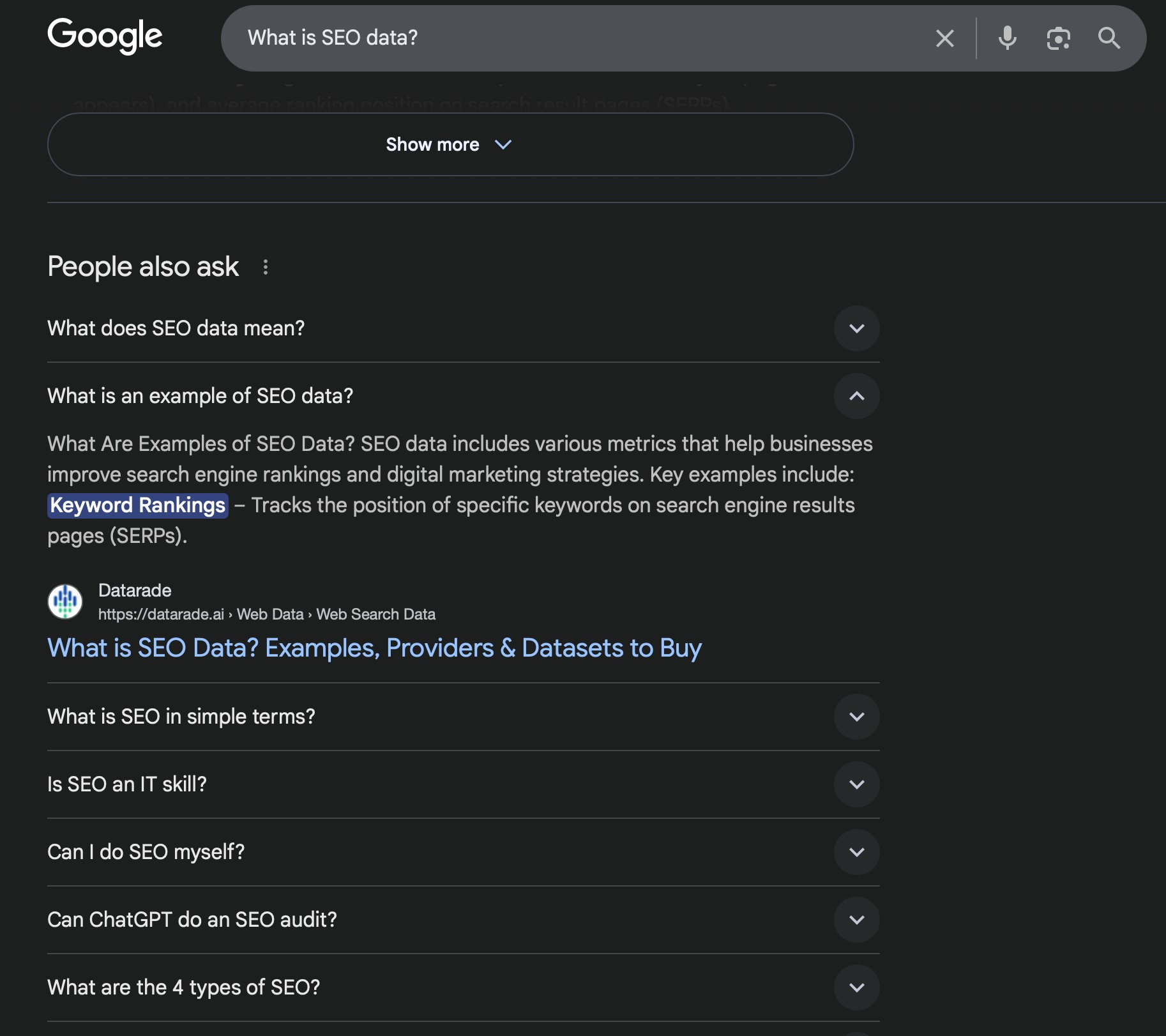
Image source: Screenshot of Google SERP
- Product and packaging: Align features and bundles with new use cases identified in queries. Pilot limited releases in regions where demand spikes first.
- Go-to-market shifts: Rebalance paid budgets toward breakout terms while organic ramps up. Create partner or affiliate content to extend reach in newly hot niches. Equip sales with one-pagers that answer the exact questions that show up in search.
- Customer engagement: Turn on-site search insights into help center articles and onboarding checklists. Run webinars and live demos around trending topics, then publish the recordings to feed search demand.
Case in Point:
If searches for custom t-shirts start rising, you can move fast by building landing pages that match the new demand. Think of “design custom t-shirts for events” or “design custom t-shirts for small businesses.”Now, refresh your best-performing guides with updated design templates and schema markup to capture rich results and produce short explainer videos for People Also Ask.
Likewise, align product bundles with the most popular design choices and launch limited promotions in regions where interest is spiking. Meanwhile, give sales one-pagers that answer the exact questions people are searching for.
5. Measure the Impact of Adjustments
Pair leading indicators with lagging outcomes. Leading indicators include:
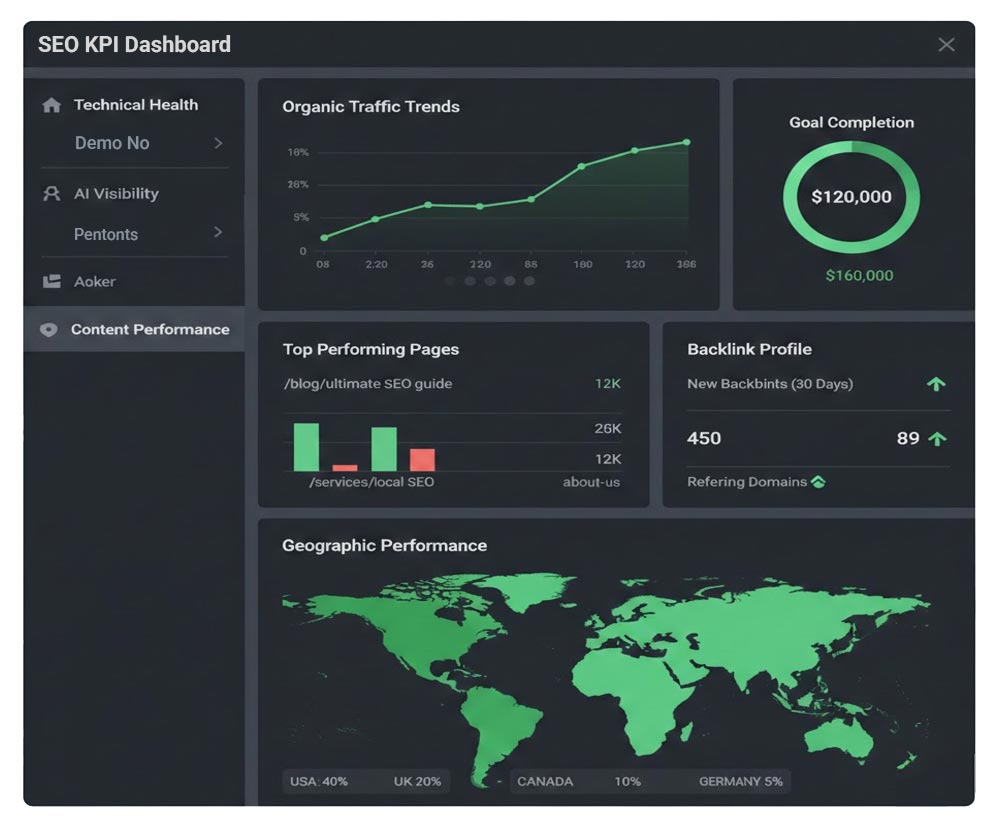
- Impressions
- Average position
- CTR
- Rankings for target clusters
- Video views if SERPs are video-heavy
Mid-funnel metrics cover demo requests and newsletter sign-ups tied to the new content. Lagging outcomes are revenue by landing page or topic cluster, retention for users acquired via new topics, and sales cycle length. Add annotations when you publish new pages or change pricing, then watch cohorts over time. In GA4, build exploration reports to compare new-topic visitors against baseline behavior. If you can, run A/B tests on messaging that reflects the new intent.
For Example:
If SEO data shows rising searches for “best adjustable dumbbells for beginners,” track leading indicators like impressions and rankings for those segment-specific pages. Then, measure mid-funnel impact through market segmentation metrics:
- Add-to-cart events
- Email sign-ups
- Quote requests tied to that audience
Finally, evaluate lagging indicators such as revenue per segment, average order value, and repeat purchase rate to confirm the shift in demand. Add annotations when you publish new pages or adjust messaging, and use GA4 to compare segment behavior against your baseline.
Challenges and Considerations When Using SEO Data
SEO data offers early insight, but it does not operate in a vacuum. Algorithms and interfaces shape search behavior and can distort signals when you take them at face value. So, here is what to overcome and consider when using SEO data:
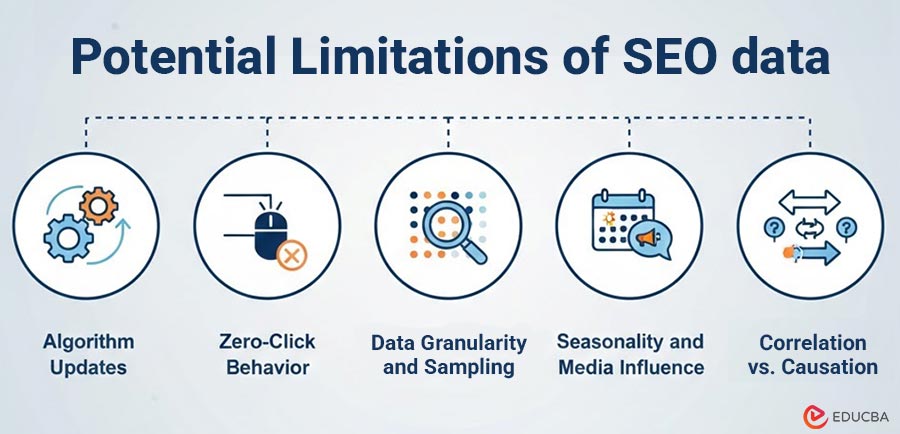
- Algorithm updates: Traffic swings may reflect ranking changes rather than demand. Track confirmed updates via the Google Search Status Dashboard.
- Zero-click behavior: Some queries get answered on the SERP, lowering CTR even as interest rises. Adjust expectations and formats.
- Data granularity and sampling: Aggregated volumes hide niche surges. Use long-tail analysis and Search Console query exports.
- Seasonality and media influence: PR hits, news cycles, viral moments, and sudden hypes can create temporary noise.
- Correlation vs. causation: Validate with sales calls and customer interviews, not to mention third-party data, before investing heavily.
Balancing Data-Driven and Intuitive Decisions
Strong operators blend dashboards with judgment. Use SEO data to narrow the field, then test with customers. Sit in on support calls. Ask sales what prospects are suddenly asking. If the signals line up, move. If they do not, keep watching and run small experiments.
Final Thoughts
Search behavior offers a real-time pulse of the market. When you consistently use SEO data to identify market shifts by tracking keyword trends, intent changes, and SERP evolution you gain early signals that competitors often miss. Respond with targeted content, product tweaks, and go-to-market shifts, then measure the outcomes with clear leading and lagging indicators. For a deeper dive on how search trends can mirror and predict real-world behavior, start with Google’s research on nowcasting with Trends data and explore live interest with Google Trends.
Recommended Articles
We hope this guide on using SEO data to identify market shifts helps you spot trends early. Check out these recommended articles for more strategies to leverage search data for business success.

