


User-Centric Design Principles: Overview
User-centric design helps NYC companies connect with fast-moving local users who expect clarity, speed, and real value from every online interaction. The city has tough, intense competition, so local brands should have websites that feature simple navigation, trust signals, and help locals convert. This article will explore some of the most essential and trending user-centric design principles that can help guide visitors confidently, keep them engaged, encourage exploration of your site, and ultimately drive action.
Why User-Centric Design Matters in NYC?
NYC users evaluate websites in seconds and decide how useful and clear a page is.
All they want is:
- Clear layouts
- Quick loading times
- Real value your business offers
You strengthen your position when your site shows real user intent. Many companies team up with a professional NYC website design company to enhance page layouts and increase conversions. Local intense competition means building a user experience that presents real value. When your design fits the needs and speed of local users, you build trust. This approach can finally help brands expand their local presence.
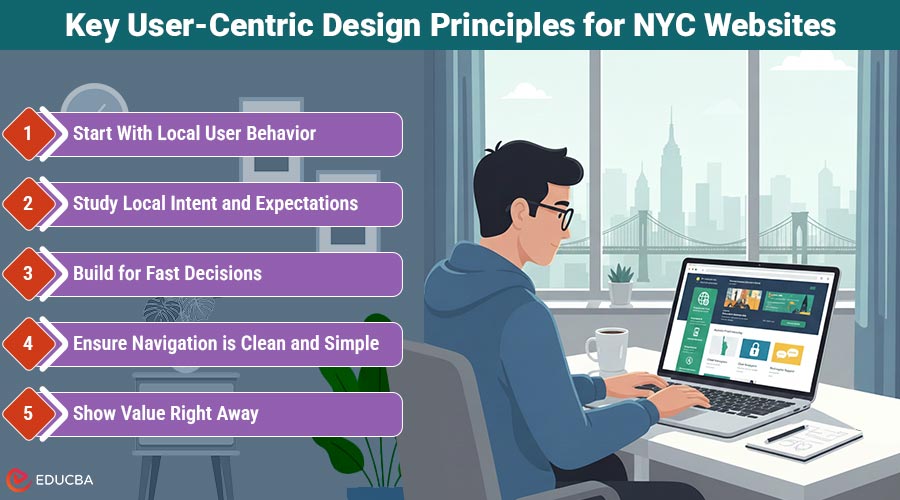
Key User-Centric Design Principles for NYC Websites
Here are the essential points to help NYC websites engage users effectively and drive conversions.
1. Start With Local User Behavior
NYC users often browse while commuting, on quick breaks, or between places. They scan content and look for signs that they are in the right spot. Google reports that more than half of mobile users 53% abandon a website if a page takes over 3 seconds to load. So if the content feels heavy, slow, or confusing, readers leave before you can even show your value.
2. Study Local Intent and Expectations
NYC audiences prefer content that is:
- Short and concise
- Highlighted with bold text
- Divided into clear sections
- Presented with simple guides
They want direct answers without extra wording. Clear, scannable content leads to higher engagement, more clicks, and deeper reading. Place the main actions at the top of each page and use natural CTAs, such as “Click Here,” to guide users to the next steps.
3. Build for Fast Decisions
NYC users dislike hesitation points and moments that cause even small friction. And this means every design element can help them act with certainty. If your home page confuses visitors, they will quickly turn to another competitor. In addition, you can install heatmaps on the website and test the layouts. Using this approach makes it easier to identify what’s confusing. Fixing the blockers shortly will help you convert more local users.
4. Ensure Navigation is Clean and Simple
Keep your navigation clean, simple, and aligned with your visitors’ goals. Three to five main menu items usually suit NYC service businesses. They help guide users without confusing them. For example, you can use labels that reflect the real tasks users want to complete. Include exploring services, reviewing prices, or contacting your team. Clear contrast, readable fonts, and strong spacing support fast mobile browsing. NYC users often scroll while moving around. So your layout must support quick taps and obvious paths without forcing them to search for information.
5. Show Value Right Away
Your hero section should clearly state your offer. To make it even stronger, use a simple yet powerful statement that explains your service. Some of the top examples are “Book a Call” or “Request a Quote”. Use real photos of your team or your NYC locations to reinforce trust. People respond better to images of real people and places, and that is a fact. Generic stock visuals or AI-generated images usually feel artificial.
6. Build Mobile-First Layouts
Mobile devices make up over 62% of global web traffic, and NYC is no exception. Your site must function well on small screens and offer a comfortable browsing experience. To enhance mobile usability:
- Remove render-blocking elements
- Optimize page speed
- Simplify hero blocks with short text, clean images, and a single action
- Ensure touch accuracy with large buttons and clear contrast
By following mobile-focused, user-centric design principles, your website becomes fast, functional, and effortless to navigate for busy NYC users.
Final Thoughts
Implementing user-centric design principles is essential for NYC companies looking to engage and convert local users. By focusing on clear layouts, fast loading times, mobile-first experiences, and intuitive navigation, businesses can provide real value and build trust with their audience. A website designed with the user in mind not only attracts more visitors but also encourages them to take action quickly, helping your brand grow and succeed in a competitive NYC market.
Recommended Articles
We hope this guide on user-centric design principles helps you improve your website’s user experience. Check out these recommended articles for more tips and strategies to engage your audience.

