


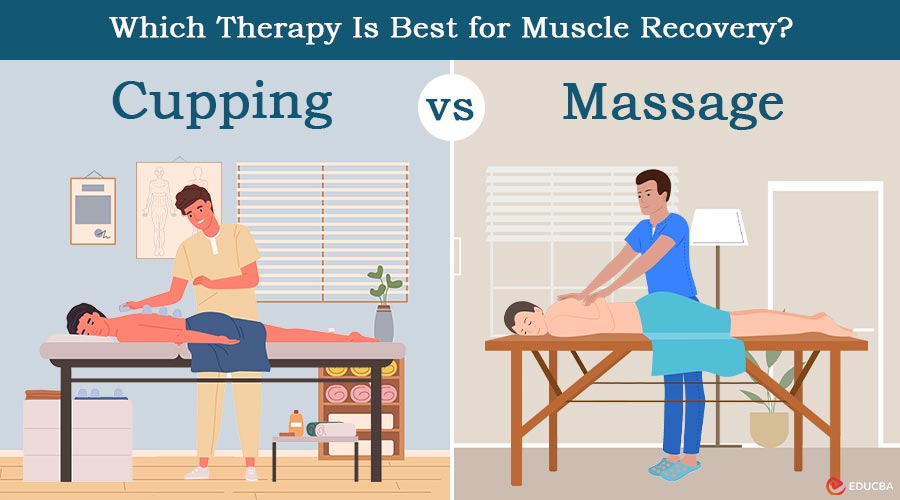
Cupping vs Massage: Overview
Recovering from muscle tension, training fatigue, or everyday stiffness can be challenging. Choosing the right therapy matters. Cupping vs massage are two of the most trusted treatments for muscle recovery. Cupping uses suction to lift tissues, boost circulation, and release deep tension, while massage manipulates muscles to improve flexibility, loosen tightness, and calm the nervous system. Acupuncture stimulates precise points to rebalance the body, reduce inflammation, and enhance muscle function.
Both cupping and massage support recovery, with massage being more effective for full-body relaxation and cupping being ideal for addressing deep, stubborn tension. Acupuncture complements both, promoting circulation, pain regulation, and efficient muscle release. Many athletes achieve optimal results by combining all three therapies, creating a well-balanced routine that facilitates faster recovery, improved performance, and lasting relief.
Key Takeaways
- Cupping is most effective for addressing deep, stubborn tension and promoting targeted recovery, particularly when muscles feel locked or restricted.
- Massage provides full-body relief by loosening tight muscles and calming the nervous system, making it an ideal way to alleviate general soreness and stress.
- Cupping provides faster results for specific problem areas, while massage offers broader benefits for overall relaxation and mobility.
- Both therapies are safe when performed by trained practitioners, although cupping may leave temporary marks and massage may cause mild soreness.
- Combining cupping, massage, and acupuncture offers the most comprehensive recovery, improving circulation, flexibility, performance, and long-term muscle health.
What Is Cupping?
Cupping is a hands-on therapy that uses glass, silicone, or plastic cups to create gentle suction on the skin. The suction lifts the underlying muscles and fascia, encouraging fresh circulation into areas that feel stiff, tired, or restricted. This upward pull helps release deep tension that often does not respond to manual pressure alone.
How does cupping support recovery?
- Encourages circulation to overworked muscle groups
- Releases fascial adhesions that limit movement
- Supports lymphatic flow for natural detoxification
- Reduces localized inflammation and swelling
- Eases long-standing tightness that returns quickly after massage
Best for
- Chronic muscle knots
- Post-workout soreness
- Lower back tightness
- Neck and shoulder stiffness
- Limited or restricted mobility
- Myofascial tension
- People who prefer targeted, firm therapies
How does cupping feel?
A pulling or stretching sensation that gradually eases as the tissues respond. It should never feel sharp or painful.
What Is Massage?
Massage therapy uses hands-on pressure to knead, stretch, and glide across soft tissues. The combination of pressure and movement helps muscles relax, improves circulation throughout large areas of the body, and supports the nervous system in shifting out of stress mode.
How does massage support recovery?
- Loosens tight or shortened muscles
- Improves overall blood flow
- Reduces stress-related muscle tension
- Supports flexibility and mobility
- Helps clear lactic acid after training
- Prevents injuries through regular maintenance
Best for
- Full body relaxation
- Muscle tiredness from exercise
- Tension from long hours of sitting
- Soreness across multiple regions
- Individuals who prefer gentler, hands-on treatment
How does a massage feel?
It is typically gentle and rhythmic, with pressure adjusted from light to deep based on your comfort level.
Cupping vs Massage: Which Works Faster for Muscle Recovery?
If you want fast relief in one specific problem area, cupping often produces quicker results because the suction delivers an immediate boost in circulation. If you need overall muscle relaxation or feel sore after training, massage typically creates a more comprehensive effect since it works across multiple muscle groups simultaneously.
| Problem Type | Fastest Therapy |
| Chronic knots | Cupping |
| General soreness | Massage |
| Deep fascial tension | Cupping |
| Stress-related tightness | Massage |
When to Choose Cupping vs Massage Based on What You Feel?
Choose cupping if you:
- Feel deep, locked tightness that massage has not resolved
- Have recurring shoulder or lower back stiffness
- Experience restricted movement
- Want targeted athletic style recovery
- Prefer focused sessions that work on specific areas
Choose massage if you:
- Want to relax and release stress
- Have tension from long work hours
- Prefer looseness throughout the whole body
- Like gentle to moderate pressure
- Are sensitive to marks left by suction
Can You Combine Cupping and Massage?
Yes. Many people achieve the strongest and longest-lasting results when they combine both therapies.
Benefits of combining cupping and massage
- Faster improvement in mobility
- Deeper release of tight fascia
- Better circulation across the body
- Relief that lasts longer
- More balanced recovery after workouts
A common approach is to begin with cupping to release deeper tension, followed by massage to soothe the tissues and support overall relaxation.
Safety: Is Cupping or Massage Safer?
Trained practitioners consider both cupping and massage safe. Each therapy simply requires different precautions, depending on your health, sensitivity, and the condition of your muscles.
Cupping safety
- Marks or discoloration may remain for three to seven days.
- Not recommended for people who bruise easily
- Do not place cups directly on bony areas.
- Avoid cupping when you have a fever or active inflammation.
Massage safety
- Avoid applying deep pressure if you have a recent or acute injury.
- Certain techniques may create mild temporary soreness.
- Let your therapist know if you are pregnant or have any medical conditions.
If you would like this expanded into a full “Who should avoid cupping or massage” section, I can add that as well.
Who Gets Better Results from Cupping?
Cupping is often the better choice for individuals who require a deeper, targeted release in areas that feel tense or overworked. You may benefit more from cupping if you:
Train frequently, whether you are a runner, lifter, cyclist, or dancer
- Sit at a desk for long hours and feel tension building over time
- Experience tightness that returns quickly, even after regular massage
- Notice stiffness radiating into the shoulders, hips, or neck
- Prefer a fast, intense style of recovery that focuses on specific problem areas
Who Gets Better Results from Massage?
Massage tends to work best for individuals who seek overall relaxation and steady maintenance for their entire body. You may benefit more from a massage if you:
- Carry stress in your muscles or upper body
- Need support in calming the nervous system
- Want consistent full-body care and improved mobility
- Prefer a gentle or moderate treatment rather than intense pressure
- Want to boost circulation without experiencing marks or suction sensations
How Often Should You Do Cupping or Massage for Recovery?
The ideal frequency varies based on your activity level, how your muscles respond to treatment, and whether you are addressing general tension or chronic issues.
1. For Active People
- Cupping is helpful every one to two weeks
- Massage works well every one to four weeks
Regular sessions support muscle repair, prevent stiffness from returning, and keep the body performing at its best.
2. For Desk Workers
- Schedule cupping whenever tightness or restricted movement returns.
- Massage is beneficial every two to four weeks.
These sessions help counteract the effects of long sitting hours and postural strain.
3. For Chronic Muscle Issues
- A combination of cupping and massage often provides the most consistent and long-lasting improvement.
The two therapies work together to release deeper tension, improve circulation, and support steady recovery.
Frequently Asked Questions (FAQs)
Q1. Can cupping or massage help with delayed onset muscle soreness after workouts?
Answer: Yes. Both therapies can help alleviate delayed onset muscle soreness, but they do so in different ways. Cupping increases circulation to specific fatigued areas, while massage supports overall muscle relaxation and helps clear metabolic waste from training.
Q2. Is it safe to exercise right after cupping or massage?
Answer: Light movement, stretching, and gentle activity are usually safe. Intense workouts should be avoided for the rest of the day after cupping, especially if marks or tenderness are present. After a massage, most people can return to moderate exercise once their body feels ready.
Q3. Does cupping hurt more than massage?
Answer: Cupping should not be painful. The sensation is a firm pulling or lifting feeling, while massage involves pressure and kneading. If cupping feels sharp or overly intense, adjust the suction level accordingly.
Q4. Can cupping or massage help alleviate nerve-related pain, such as sciatica?
Answer: Both therapies may be beneficial, depending on the underlying cause. Cupping can release deep fascial tension around the hips and lower back, while massage can relax tight muscles that place pressure on nerves. For persistent nerve pain, pairing these therapies with acupuncture often provides better and longer-lasting relief.
Q5. Which therapy is better for improving flexibility and range of motion?
Answer: Massage generally improves overall flexibility more effectively because it works across large muscle groups and helps lengthen tight tissues. Cupping can significantly improve mobility in targeted areas where the fascia feels restricted. Combining both often gives the most noticeable improvement.
Final Thoughts
When comparing cupping vs massage, both therapies are highly effective, but they serve different purposes. Cupping offers deeper, targeted relief and is particularly effective for chronic tension or areas that feel stuck. Massage is ideal for full-body relaxation, alleviating general soreness, and maintaining steady well-being. For the most comprehensive and lasting results, combining both therapies creates a balanced approach that supports circulation, mobility, and overall faster recovery.
Recommended Articles
We hope this detailed guide on cupping vs massage helps you choose the right therapy for your recovery needs. Explore these recommended articles for more wellness insights and expert recovery strategies.

