


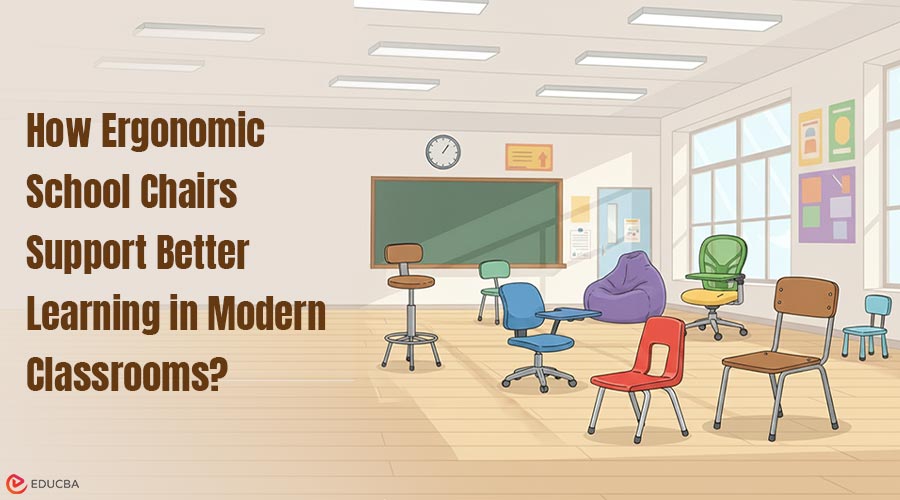
The Critical Role of School Chairs in Learning
School chairs are more than just a place for students to sit; they are a symbol of learning and academic achievement. They are an integral part of the educational ecosystem, directly impacting student comfort, concentration, and posture throughout the school day. As schools evolve with new teaching methods and technological integration, the importance of high-quality, ergonomic, and adaptable school chairs remains paramount. These chairs must support not just physical well-being but also the educational mission of the institutions that use them.
In the classrooms, learning is dynamic and often collaborative. Students transition from individual work to group activities and back again within a single period. If the school chairs in use do not accommodate these shifting needs, it can hinder both student engagement and academic performance. Thus, selecting the right type of classroom seating is no longer just a matter of utility; it is a strategic educational investment.
Ergonomics and Student Health
Ergonomically designed school chairs help promote proper posture, which is crucial during a student’s developmental years. Children and teens spend a significant portion of their day sitting, and uncomfortable chairs can lead to problems such as back pain, fatigue, and difficulty concentrating. Chairs that are too large or too small, or that lack lumbar support, force students into unnatural positions that can detract from the learning process.
Contemporary school chairs are increasingly built with adjustable features to suit various body types and ages. Stackable models, for example, can come in a range of sizes and colors, offering not just practicality but also aesthetic appeal. Flexible designs accommodate different classroom layouts, whether traditional rows or more modern, collaborative seating arrangements. When students are physically comfortable, they are better able to concentrate, retain information, and participate in discussions.
Material Durability and Cost Efficiency
Durability is a non-negotiable factor when selecting school chairs. Educational institutions need furniture that can withstand daily wear and tear, frequent movement, and, in many cases, less-than-gentle use by energetic students. High-quality plastic and metal combinations, reinforced legs, and sturdy glides contribute to long-term resilience.
From a budgetary perspective, investing in durable school chairs can translate to long-term savings. Frequent replacements due to breakage or deterioration drive up maintenance costs. By selecting classroom seating that is designed to withstand wear and tear, schools can lower overall expenditures and maintain a consistently safe and professional learning environment. Cost-efficient models that do not sacrifice quality are available in a variety of styles, enabling administrators to find the ideal fit for their classrooms.
Supporting Diverse Learning Environments
The educational environments are no longer one-size-fits-all. STEM labs, art rooms, media centers, and multipurpose classrooms each have unique requirements when it comes to furniture. School chairs must therefore be versatile enough to adapt to these diverse settings. Some rooms require chairs with swivel capabilities or wheels for mobility, while others prioritize fixed stability.
Inclusion is also an important consideration. Designers should create school chairs that accommodate students of all abilities, including those who require additional physical support or require more space to work. ADA-compliant designs and models, featuring extra width or specialized features, ensure that every student has equal access to learning.
Additionally, sustainable materials and eco-friendly manufacturing practices are becoming important selection criteria for many institutions. Choosing chairs made from recyclable components or produced through environmentally responsible processes reflects a school’s commitment to broader social values.
Aesthetic Influence on Learning Spaces
While functionality and durability are top priorities, the visual appeal of school chairs also plays a role in shaping the learning environment. Colorful, modern designs can contribute to a more engaging and stimulating atmosphere, especially for younger students. For older learners, sleek and minimalistic styles help create a mature and focused environment.
Educators should not underestimate the psychology of color and design in an educational context. Warm tones can promote comfort and creativity, while cooler tones are often associated with calmness and concentration. By thoughtfully selecting school chairs that complement a classroom’s overall design, administrators can subtly influence student behavior and mood.
Procurement Strategies for Educational Institutions
Purchasing school chairs is not a one-time decision but an ongoing process that requires planning, evaluation, and adaptability. Educational institutions should begin by assessing their specific needs, considering factors such as classroom size, the age range of students, and the intended teaching methods. From there, sourcing from a reputable supplier with a track record of quality and reliability becomes essential.
Many schools purchase in bulk to secure better pricing, but they should never sacrifice quality for quantity. Establishing relationships with vendors who offer warranties and customer service support can prevent future headaches. Institutions should also periodically review their furniture needs to keep pace with pedagogical changes, technology integration, and enrollment trends.
Emerging Trends in School Chairs and Classroom Seating
As educational practices shift, school chairs are also evolving to meet new expectations. One of the most notable trends is the move toward flexible and mobile seating. Chairs with casters, lightweight frames, or integrated storage are gaining popularity in classrooms designed around collaborative and interactive learning environments.
There is also a growing emphasis on multi-functional furniture. Schools increasingly demand school chairs that double as storage units or pair with mobile desks. These innovations help schools maximize limited space and adapt classrooms to different activities throughout the day.
In some high-tech classrooms, chairs now come equipped with built-in charging ports or tablet holders, aligning the furniture with the digital tools students use daily. This integration not only boosts convenience but also ensures that technology supports, rather than disrupts, the learning process.
Final Thoughts
Choosing the right school chair is not just about filling a classroom; it is about creating a space where students can learn, stay healthy, and grow together. From ergonomics and durability to aesthetics and adaptability, the right chairs play a pivotal role in educational success. By investing in quality classroom seating that meets the evolving needs of modern schools, institutions lay a strong foundation for today’s and tomorrow’s students.
Recommended Articles
We hope this article on school chairs helps you understand how the right classroom furniture can enhance comfort, focus, and learning outcomes. Check out our related articles to explore more about ergonomic classroom design, educational furniture trends, and strategies for creating engaging learning spaces.

