
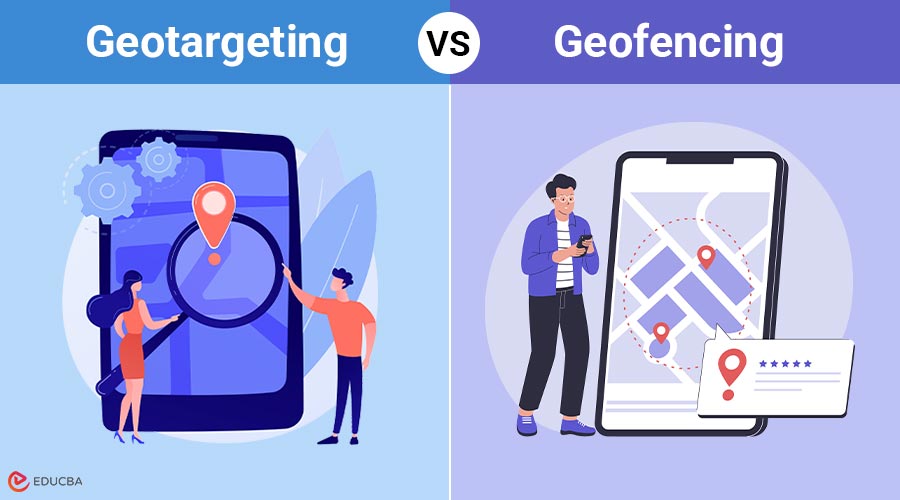
Introduction
In today’s digital world, location-based marketing enables brands to deliver personalized messages using GPS and mobile data. Two key technologies — Geotargeting vs. Geofencing — play vital roles in this strategy. Though often confused, they differ in scope, precision, and application. This article explains their definitions, pros, cons, and examples to help marketers optimize campaigns effectively.
Table of Contents:
- Introduction
- What is Geotargeting?
- What is Geofencing?
- Key Differences
- Pros and Cons
- How they Work Together?
- Which One Should you Choose?
What is Geotargeting?
Geotargeting is a marketing technique that delivers customized messages, advertisements, or content to users based on their specific geographic location, such as city, state, postal code, or even IP address. It utilizes location data collected from devices such as smartphones, laptops, and tablets to display relevant ads or offers to users within a specified geographic area.
How Geotargeting Works:
- Data Collection: Marketers actively identify user locations through IP addresses, GPS data, or mobile network information.
- Audience Segmentation: Marketers segment audiences based on geographical zones such as cities, ZIP codes, or even radius ranges.
- Ad Delivery: Ads or promotions are displayed only to individuals within the selected geographic area, ensuring relevance and higher engagement.
Example:
A pizza chain in New York may show ads only to users in Manhattan, offering a 20% discount on online orders. Similarly, an online retailer might target users from colder regions with winter clothing promotions.
What is Geofencing?
Geofencing is location-based technology that establishes virtual boundary, or “fence,” around a physical location. When user’s mobile device enters or exits this boundary, it triggers a specific action—such as sending push notifications, text messages, or app alerts. It primarily depends on real-time GPS or RFID technology and is often used in mobile marketing and retail engagement strategies.
How Geofencing Works:
- Setting a Virtual Boundary: Marketers create a digital perimeter (for example, a 1 km radius around a store).
- User Detection: When a mobile user with location services enabled enters or exits the fenced area, the system detects the movement.
- Action Trigger: The business sends an automated notification or personalized ad to engage the user.
Example:
Imagine a coffee shop setting a geofence around its location. When users with the brand’s app enter that zone, they receive a notification: “You’re near Brew Café! Drop in today for a free upgrade to a large latte.”
Key Differences Between Geotargeting and Geofencing
Although both geotargeting and geofencing revolve around location-based marketing, their purposes and technical approaches differ. Below is a detailed comparison:
| Parameter | Geotargeting | Geofencing |
| Definition | Targets users based on a predefined geographic location, such as a country, city, or ZIP code. | Creates a virtual boundary around a location to trigger actions when users enter or leave. |
| Technology Used | Relies on IP addresses, GPS, Wi-Fi, or mobile network data. | Depends mainly on GPS, RFID, or Bluetooth technology for real-time tracking. |
| Precision | Broader—targets regions or areas (e.g., cities or postal codes). | More precise—targets within a few meters of a specific location. |
| Trigger Mechanism | Passive—ads are shown based on the user’s location data. | Active—actions are triggered when users enter or exit the geofenced area. |
| Use Case | Best for online ads, regional campaigns, or content personalization. | Ideal for retail engagement, proximity marketing, and local promotions. |
| Data Dependency | Works on static or general location data. | Works on dynamic and real-time location data. |
| Device Requirement | Any internet-connected gadget can use it. | Requires GPS-enabled mobile devices or apps. |
| Example | Showing travel deals to users in California. | When a user arrives at an airport, a push notice is sent. |
How they Work Together?
While Geotargeting focuses on audience segmentation, Geofencing focuses on real-time user engagement. Combining both can amplify marketing outcomes.
For example:
- A retail chain can use geotargeting to show online ads to people in a city and geofencing to trigger in-store discounts when they visit nearby outlets.
- A restaurant may run geotargeted campaigns to raise awareness among local users, and once they approach the location, use geofencing to send last-minute offers.
This integrated approach enables brands to transition seamlessly from awareness to conversion.
Pros and Cons of Geotargeting and Geofencing
Here are the pros and cons of both geotargeting and geofencing to help you choose the right strategy.
Geotargeting Pros:
- Works seamlessly across multiple devices for consistent messaging.
- Cost-effective for localized or regional ad campaigns.
- Reaches a wider audience across geographical boundaries.
- Ideal for long-term brand awareness and audience segmentation.
Geotargeting Cons:
- Lacks precision for real-time, location-specific engagement.
- It may not accurately reflect users’ immediate purchase intent.
- Dependent on user-provided location data accuracy.
- Limited effectiveness for instant store visit campaigns.
Geofencing Pros:
- Provides highly accurate targeting within defined virtual boundaries.
- Enables immediate engagement through location-triggered notifications.
- Drives higher in-store visits and customer conversions effectively.
- Offers real-time analytics for campaign performance optimization.
Geofencing Cons:
- Requires user consent for mobile GPS location tracking.
- It can be costlier and complex to implement initially.
- Limited to users with location-enabled mobile devices.
- May raise privacy concerns among certain audiences.
Which One Should You Choose?
Here is how to determine which technique best suits your marketing objectives and how combining both can maximize your results.
- Choose Geotargeting if your goal is to reach users across broader areas and improve ad relevance.
- Choose Geofencing if your goal is to engage nearby customers in real-time and drive store visits.
- Combine both for a comprehensive location-based marketing strategy—from online awareness to offline conversion.
Final Thoughts
Both Geotargeting and Geofencing are critical components of modern location-based marketing. While geotargeting helps brands reach users based on location-defined demographics or behavior, geofencing focuses on engaging users through real-time proximity triggers. The choice between them depends on campaign goals—awareness and engagement—but when used together, they create a seamless customer journey that enhances brand visibility, user experience, and conversion rates.
Frequently Asked Questions (FAQs)
Q1. Is geofencing expensive to implement?
Answer: It can be more costly than geotargeting due to the integration of GPS and real-time tracking, but it offers higher engagement rates.
Q2. Do users need to enable GPS for Geofencing?
Answer: Yes, geofencing requires GPS or location services to detect movement in or out of a designated area.
Q3. Which industries benefit the most from Geofencing?
Answer: Retail, hospitality, automotive, and event management industries benefit greatly from geofencing’s proximity-based engagement.
Recommended Articles
We hope that this EDUCBA information on “Geotargeting vs Geofencing” was beneficial to you. You can view EDUCBA’s recommended articles for more information.

