


Introduction
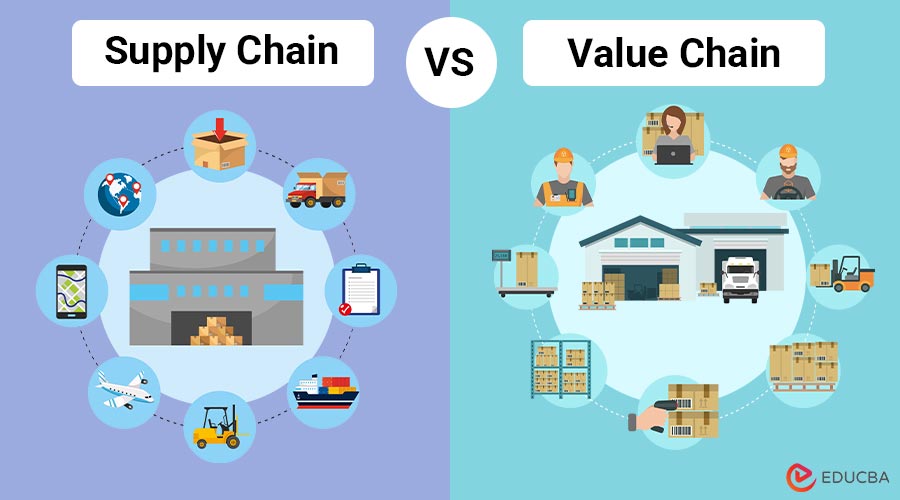
The supply chain and value chain are two crucial business concepts that determine how products move from production to customers and how value is created along the way. While the supply chain focuses on efficient operations, logistics, and cost control, the value chain emphasizes enhancing customer satisfaction and competitive advantage. Understanding the difference between Supply chain vs Value chain helps businesses streamline processes, improve quality, and deliver greater value to customers, ultimately strengthening profitability and long-term growth.
Table of Contents:
- Introduction
- What Is a Supply Chain?
- Major Components of a Supply Chain
- Example of a Typical Supply Chain
- What Is a Value Chain?
- Primary and Support Activities
- Example of a Value Chain
- Key Differences
- How Supply Chain and Value Chain Work Together
- Real-World Examples
What Is a Supply Chain?
A supply chain is the network of people, processes, and resources that produce and deliver a product to the customer. It includes sourcing raw materials, manufacturing, distribution, and delivery. For example, in the smartphone industry, suppliers provide components, manufacturers assemble devices, and logistics partners ensure timely delivery to retail stores or consumers.
Major Components of a Supply Chain
The major components of a supply chain work together to ensure smooth production and delivery of goods. Key components include:
- Planning: Involves forecasting demand, managing inventory, and creating production schedules to meet customer needs efficiently.
- Sourcing: Focuses on selecting reliable suppliers, purchasing raw materials, and maintaining strong supplier relationships for quality assurance.
- Manufacturing: Covers transforming raw materials into finished products through production, quality control, and packaging.
- Warehousing: Involves storing goods safely and managing inventory levels to balance supply and demand.
- Distribution: Ensures the efficient transportation of products to wholesalers, retailers, or directly to customers through optimized logistics networks.
- Returns Management: Handles defective, excess, or returned products efficiently to reduce waste and maintain customer satisfaction.
- Information Flow: Supports real-time communication and data sharing among stakeholders to improve visibility, decision-making, and coordination across the supply chain.
Example of a Typical Supply Chain
A typical supply chain involves a series of interconnected stages that transform raw materials into finished products for end consumers. For example, in the automobile industry, the process includes:
- Raw Material Suppliers: Provide essential materials, including steel, glass, rubber, and electronic components.
- Component Manufacturers: Produce specific parts such as engines, tires, or braking systems.
- Assembly Plants: Automakers assemble these parts into complete vehicles while ensuring quality control and efficiency.
- Warehousing: Finished cars are stored in regional warehouses or distribution centers awaiting shipment.
- Distribution and Logistics: Vehicles are transported by truck, train, or ship to dealerships worldwide.
- Dealerships: Sell cars directly to customers, often offering after-sales services and financing options.
- After-Sales Service: Includes maintenance, spare parts, and warranty support to enhance customer satisfaction and loyalty, completing the full supply chain cycle.
What Is a Value Chain?
A value chain is the series of activities a company performs to create and deliver value to customers, from product design to after-sales service. Every step contributes to the overall value of the final product. For example, Apple’s value chain includes innovative design, high-quality manufacturing, effective marketing, and premium customer support to enhance brand value and profitability.
Primary and Support Activities
The value chain is composed of two key types of activities — primary and support — which jointly enhance customer value and drive business profitability.
Primary Activities
- Inbound Logistics: Involves receiving, storing, and managing raw materials and inputs efficiently.
- Operations: Refers to transforming inputs into finished products through manufacturing or service processes.
- Outbound Logistics: Focuses on distributing the final products to customers or retailers.
- Marketing and Sales: Promotes products, builds brand awareness, and drives customer purchases.
- Service: Enhances customer satisfaction through installation, maintenance, and after-sales support.
Support Activities
- Firm Infrastructure: Includes management, planning, and finance functions that support all operations.
- Human Resource Management: Involves hiring, training, and retaining skilled employees.
- Technology Development: Focuses on innovation, research, and process improvement.
- Procurement: Manages the sourcing and purchasing of materials, tools, and services needed for production.
Example of a Value Chain
A value chain example can be seen in the smartphone industry, where each stage adds value to create a superior product and customer experience.
- Product Design: Companies invest in research and innovation to develop user-friendly, stylish, and high-performance smartphones.
- Component Sourcing: High-quality components, including processors, cameras, and displays, are sourced from trusted suppliers.
- Manufacturing: Phones are carefully assembled and rigorously tested to guarantee high durability and reliable performance.
- Branding and Marketing: Companies like Apple or Samsung build strong brand identities through creative marketing, advertising, and product launches.
- Distribution: Smartphones are distributed globally via retail stores, online platforms, and authorized dealers.
- Customer Service: After-sales services, software updates, and warranty support enhance customer satisfaction.
- Feedback and Innovation: Customer feedback is analyzed to improve future designs, thereby completing the continuous value-creation cycle.
Supply Chain vs Value Chain: Key Differences
| Basis of Comparison | Supply Chain | Value Chain |
| Focus | Emphasizes efficient movement of goods, materials, and information. | Emphasizes creating customer value and satisfaction at every stage. |
| Objective | To minimize cost and ensure timely product delivery. | To enhance product value and achieve a competitive advantage. |
| Orientation | Process-driven, focusing on logistics and operations. | Strategy-driven, focusing on innovation and customer experience. |
| Key Activities | Procurement, production, storage, and distribution. | Product design, marketing, service, and customer engagement. |
| Outcome | Reduces operational costs and improves efficiency. | Increases profit margins and strengthens brand value. |
| Measurement Metrics | Cost, speed, and inventory turnover. | Customer loyalty, market share, and profit growth. |
| Stakeholders Involved? | Suppliers, manufacturers, and distributors. | The entire organization, including customers and partners. |
How Supply Chain and Value Chain Work Together
The supply chain and value chain work hand in hand to achieve operational efficiency and deliver customer satisfaction. Here is how they complement each other:
- Interlinked Processes: The supply chain manages the flow of materials, while the value chain ensures these materials are transformed into valuable products.
- Efficiency Meets Value: A strong supply chain lowers costs and speeds delivery, supporting the value chain’s goal of maximizing customer value.
- Information Sharing: Real-time data exchange between supply and value chain teams improves coordination and decision-making.
- Customer-Centric Approach: The supply chain fulfills demand, while the value chain enhances customer experience through quality and service.
- Innovation Integration: Both chains rely on technology for automation, analytics, and process improvement.
- Sustainable Growth: When aligned, they improve profitability, brand reputation, and long-term competitiveness in dynamic markets.
Real-World Examples
Here are two real-world examples that show how the supply chain and value chain function effectively in leading companies:
1. Amazon:
- Operates one of the most advanced global supply chains, using automation, robotics, and AI to manage inventory and delivery.
- Its value chain focuses on customer satisfaction through fast shipping, personalized recommendations, and excellent service.
- Integration between logistics and value creation helps Amazon maintain low costs and high customer loyalty.
2. Apple:
- Manages a highly efficient supply chain by partnering with trusted manufacturers and maintaining strict quality standards.
- Its value chain adds innovation through design, marketing, and user experience, creating a premium brand image.
- Seamless coordination between its supply and value chain ensures timely product launches and strong global demand.
Together, these examples show how efficient supply chain operations and effective value chain strategies drive success and brand leadership.
Conclusion
Both the supply chain and value chain play essential roles in a company’s overall success. While the supply chain ensures smooth operations and cost efficiency, the value chain focuses on enhancing customer satisfaction and business growth. When effectively aligned, they create a powerful synergy that improves product quality, strengthens brand reputation, and drives long-term profitability, helping businesses stay competitive in an ever-evolving global marketplace.
FAQs
Q1. How does globalization affect supply and value chains?
Answer:- Globalization expands sourcing options, markets, and collaboration, making both chains more efficient yet complex to manage.
Q2. What challenges do companies face in managing both chains effectively?
Answer:- Common challenges include supply disruptions, rising costs, technological adaptation, and maintaining consistent quality.
Q3. Can small businesses develop an effective value chain?
Answer:- Yes, by focusing on customer needs, quality improvement, and digital tools, small businesses can build strong value chains.
Q4. How do sustainability practices influence supply and value chains?
Answer:- Sustainable sourcing, eco-friendly production, and ethical practices enhance efficiency and brand reputation across both chains.
Recommended Articles
We hope this guide on Supply Chain vs Value Chain helped you understand their differences. For more business insights, explore these related articles below:


