


Building a Successful Career You Are Proud Of
True career success is not only about a title or a paycheck; it is about waking up each day feeling that your work challenges you, aligns with your values, and supports the life you want without constant stress. Sometimes, everything seems “fine,” yet there is a quiet voice inside saying, “I’m meant for more.” That feeling is not drama it is data. You do not need to quit your job overnight to honor it; instead, you can start building a successful career through small, consistent steps while maintaining your current stability.
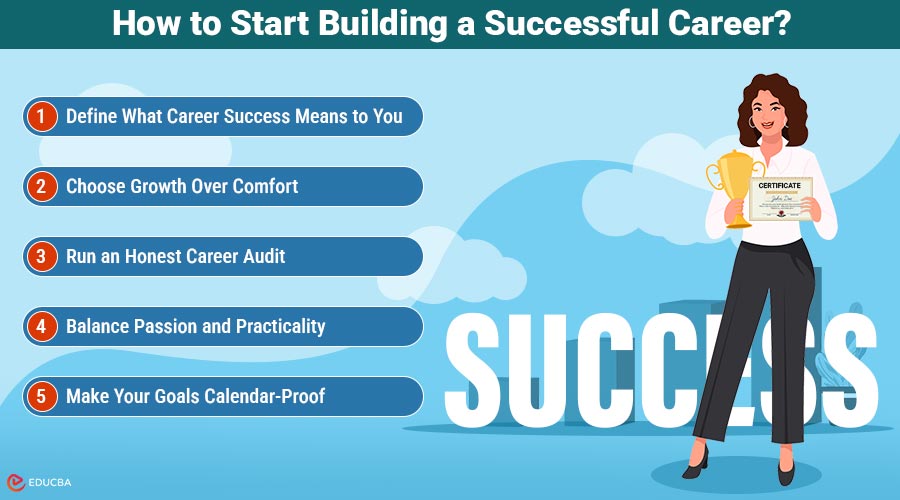
How to Start Building a Successful Career?
Here are key steps and strategies to help you lay a strong foundation for building a successful career and achieving lasting professional growth.
1. Define What Career Success Means to You
Building a successful career looks different for everyone. For some, it is about financial growth; for others, it is creative freedom, learning opportunities, or a balanced lifestyle. A successful career is one where your daily tasks refine your skills, reflect your values, and allow you to grow with confidence. If your work feels repetitive or stagnant, it is time to evolve not necessarily resign. Start with intention. Choose a clear direction and act on it weekly, even in small ways. Suppose you enjoy exploring how professionals turn their skills into wealth, reputation, or long-term growth. In that case, pure fortune offers real-world insights to help you apply practical strategies that can transform your career path.
2. Choose Growth Over Comfort
If you feel restless despite being stable, it is a sign that you have outgrown your current comfort zone. Take ninety quiet minutes this weekend to write a short paragraph about who you want to become within the next two years. Then, pick one small step that moves you just 1% closer. Consistency always beats perfect timing; small, repeated actions eventually create massive progress.
3. Run an Honest Career Audit
Clarity begins with truth. Identify what energizes you versus what drains you. Look at where the market is expanding and where risks lie. List your top values: learning, creativity, autonomy, stability, or impact, and compare them to your current role. Misalignment reveals your next move. Sometimes, the fix is redesigning your responsibilities; sometimes, it is developing a new skill or shifting industries altogether. This audit turns vague frustration into a concrete action plan.
4. Balance Passion and Practicality
Dreams matter, but bills are real. Build a financial foundation before making a big leap. Aim for six to twelve months of savings, plan out initial income streams in your new direction, and focus on one high-value skill that increases your earning power. When passion meets a spreadsheet, ideas turn into achievable plans.
5. Make Your Goals Calendar-Proof
Goals only last when your schedule protects them. Identify your key areas: income, skills, relationships, health, and impact, and assign specific weekly tasks to each. Once your priorities are on the calendar, excuses lose their power. This is how dreams evolve into visible progress.
6. Let Skills Speak Louder Than Opinions
Everyone has an opinion, but markets pay for results. Identify which skills are most rewarded in your desired field and commit to mastering one within 90 days. Share visible proof of your progress portfolio pieces, mini-projects, or before-and-after examples. Real evidence builds credibility faster than any sales pitch. Charles Leclerc’s fortune perfectly illustrates how consistent effort leads to global recognition, proving that mastery, discipline, and persistence compound over time.
7. Design an Environment That Supports Discipline
Willpower fades; the environment endures. Keep distractions away, use focused 25-minute sprints, and surround yourself with people who already do what you aspire to. Their mindset and habits will naturally lift yours. When you build your surroundings for focus, you make consistency effortless.
8. Network Without Self-Promotion Pressure
Think contribution, not exposure. Keep your outreach short, respectful, and value-driven. Ask smart questions, follow up with gratitude, and occasionally share helpful resources. When you share your progress calmly and consistently, your reputation compounds slowly, then suddenly.
9. Measure Progress Like a Product Manager
What you measure improves. Track weekly inputs, study time, output, and networking, and review monthly results, including new offers, raises, and projects. A brief monthly review helps identify which actions yield the most significant results. Keep doing what works and adjust the rest. This transforms your career from guesswork into a systematic approach.
10. Should You Stay or Switch?
Stay if your role still offers meaningful challenges, mentorship, and fair compensation, especially if one honest conversation could expand your opportunities. But if you have hit a ceiling, the culture limits you, or your curiosity only thrives on weekends, it is time to move. You do not owe anyone stagnation. The right choice might be uncomfortable, but it should also feel energizing a clear sign that you are building a successful career that aligns with your aspirations.
11. Plan a Realistic Budget for Growth
Keep your finances simple and steady. Cover your essentials, save regularly, invest in skill development, and keep a small “opportunity fund” for transitions. Do not forget to include space for joy; sustainability matters more than speed. Burnout is just a hidden tax on ambition.
Final Thoughts
Ultimately, building a successful career is not about taking one giant leap it is about a series of small, consistent, and honest steps. Some actions will be bold, while others will be routine, but all will move you closer to the career and life you truly want. Whenever you feel uncertain, produce something small, learn from it, and repeat. Over time, those small wins stack up until one day, you look back and realize: you have built a career worth being proud of.
Frequently Asked Questions (FAQs)
Q1. What does “career success” really mean?
Answer: It is the balance between meaningful work, fair pay, personal growth, and alignment with your values where most weeks feel fulfilling, not just busy.
Q2. How can I switch careers without starting over?
Answer: Leverage your current strengths, create 2–3 proof pieces (such as case studies, projects, or demos), and communicate your value in the outcomes that your new role values most.
Q3. Do I have to quit my job to change paths?
Answer: No. Use evenings or weekends to run 30-day learning sprints, build small projects, and gather results before making big decisions.
Q4. How much should I save before changing careers?
Answer: Ideally, 6–12 months of expenses. Combine that with a clear plan for early revenue freelance work, part-time contracts, or an internal shift to minimize risk.
Q5. Which single habit accelerates career growth the fastest?
Answer: A weekly “ship session.” Publish or produce one tangible output, such as a case study, pitch, or project, so that progress compounds week after week.
Q6. How do I pick the next skill to learn?
Answer: Choose the skill that has both strong market demand and personal interest. Go deep for 90 days, and share your learning publicly to build trust and visibility.
Recommended Articles
We hope this guide to building a successful career inspires you to take meaningful steps toward your professional growth. Explore these recommended articles for more insights and practical strategies to advance your career journey.


