


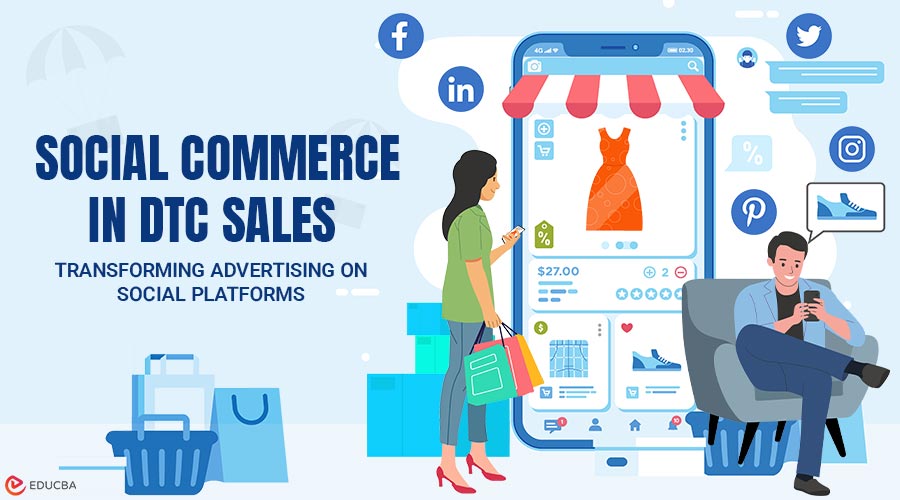
Social Commerce in DTC Sales: Overview
Social commerce in DTC sales is changing the way businesses connect with their customers. Integrating shopping into social media lets users discover and buy products without leaving the app. While this offers incredible convenience, many companies are still underutilizing these opportunities.
Direct-to-consumer (DTC) sales, which bypass third-party retailers, create a more personalized and streamlined buyer experience. Combining DTC strategies with social commerce is reshaping advertising, engagement, and revenue generation for modern brands. In this article, we explore the role of social commerce in DTC sales and how it is transforming advertising strategies across social media platforms.
The Rise of Social Commerce in DTC Sales
With platforms like Instagram, TikTok, and Facebook becoming full-fledged sales channels, it only makes sense for businesses to lean into them more. On top of that, integrated shopping tools have become more common, like Instagram Shops.
Here are a few other expanding angles to the world of social commerce:
- Brands can now tag products, showcase catalogs, and sell directly from social posts
- Data-driven insights are more detailed than ever, highlighting consumer behavior to a higher degree
- Global social commerce revenue is consistently on the rise on a global scale
- Instagram and TikTok are both leading platforms in the scope of social commerce
- It effectively bridges engagement and purchases, turning likes and comments into real-time sales opportunities
The short version is that having an Instagram account is a must. However, if you look online, you will see businesses approaching this topic in many unique ways.
For example, many people utilize an IG stories viewer to streamline their ideas for sales-focused content creation. This includes tools that support Instagram downloads, profile analysis, and more, providing you with ample data to use. For a practical demonstration, a brief tutorial video will give a clear overview of how public story analytics can inform social commerce strategies.
The Direct-to-Consumer Revolution
Brands that focus on DTC sell directly to customers without a middleman. Not only does this provide ownership of customer data, but it also helps create a stronger personalized experience. This includes the ability to adapt to social and product trends faster, as well as much more meaningful engagements from the target audience. Unlike the traditional approach of third-party marketplaces, DTC brands focus on experience, transparency, and emotional connection.
Strategies under the DTC umbrella offer higher profit margins and much greater flexibility when it comes to marketing. This also includes angles like product launches and customer feedback integrations. On top of all of this, many brands are using a story viewer on Instagram to help churn out more DTC content seamlessly. Authenticity and storytelling in DTC marketing have proven to build community trust and foster long-term loyalty effectively.
How Social Commerce in DTC Sales is Transforming Advertising?
Shifting from solely brand awareness to direct conversion, businesses are increasingly focusing on in-app purchases and real-time sales tracking. With features like integrated product tagging and checkout features right in the app, it ends up being less of a hassle for consumers. When you consider the rising interest in influencer and creator partnerships, many brands are managing most of their business through social media. It is a fact that consumers respond better to personality-driven content. This helps to blend lifestyle originality with product promotion in a much more organic manner.
It is also important to understand the role that algorithmic personalization plays here. Better than ever, algorithms can tailor ads to individual behaviors and interests, increasing relevance and conversion rates. Shoppable content formats like story views, reels, live streams, and user-generated content (UGC) are primary components of social proof. Combining this into business ad strategies makes it a lot more beneficial to merge entertainment with commerce-based content.
The Role of Data and Consumer Insights
From using an Instagram anon story viewer to analytics tools and automation, data fuels decision-making. Many DTC brands leverage first-party data, whether it is from websites, apps, or an Instagram profile. Smarter ad targeting is supported through direct insights, allowing for better personalized recommendations that lead to higher conversions. On another note, transparent, consent-based data is becoming more common with shifting privacy regulations and the fall of third-party cookies. In short, this has been a beneficial change in the scope of consumer trust.
By leveraging AI and analytics, businesses can predict purchasing intent, optimize ad spend, and boost overall ROI. It is also crucial for companies to utilize community feedback loops. Businesses can use real-time insights from reviews, surveys, and everyday social interactions to refine their marketing strategies. Even with the benefits of an Instagram web viewer story, multiple content formats, and automation, there are still a few modern challenges involved.
Challenges in the Social Commerce Ecosystem
While social commerce offers significant opportunities, it also presents challenges for DTC brands:
- Dependence on platform algorithms and policy changes that can impact reach and sales
- Continuous need to update content strategies to stay relevant
- Maintaining consumer trust and data privacy
- Ensuring consistent ROI amid changing trends
Nevertheless, here are a few steps you can take to face these challenges with ease:
- Diversify your platform presence so you do not solely rely on a single avenue
- Keep a watchful eye on platform updates to stay ahead of feature and algorithm changes
- Implement thorough data privacy practices
- Leverage first-party data wisely to create more personalized marketing campaigns
- Prioritize customer service at every turn and provide multiple channels of responsive support
- Focus on authentic engagement to produce content that resonates with your audience on a personal level
It might sound cliché, but remaining personable, even with a business account, works better than just throwing ad dollars at your latest reel.
Final Thoughts
Social commerce in DTC sales enables seamless shopping and personalized customer experiences. By combining data insights, authentic content, and diversified platform strategies, businesses can effectively navigate challenges while enhancing engagement and conversions. Focusing on storytelling, influencer partnerships, and real-time consumer insights helps DTC brands succeed in the growing social commerce landscape.
Recommended Articles
We hope this guide on social commerce in DTC sales helps you understand its impact on advertising strategies. Check out these recommended articles for more insights and practical tips.


