


What is Lead Nurturing?
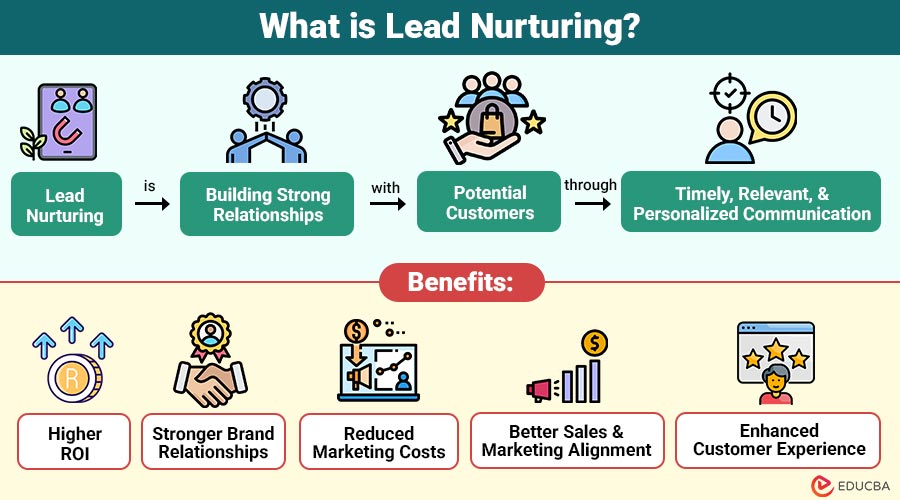
Lead nurturing is building strong relationships with the potential customers through timely, relevant, and personalized communication.
It aims to educate potential customers, foster trust, and maintain brand awareness until they are prepared to make a purchase. Lead nurturing typically involves a combination of email marketing, content marketing, social media engagement, and automated workflows designed to move leads through the sales funnel.
Table of Contents:
Key Takeaways:
- Lead nurturing uses personalized, timely communication to build trust, educate prospects, and maintain brand awareness.
- Effective lead nurturing segments leads by behavior and interests to increase engagement and conversion opportunities.
- It integrates multi-channel engagement with automation to accelerate sales cycles and strengthen customer relationships.
- Proper lead nurturing reduces marketing costs, improves ROI, and aligns sales with marketing for better results.
Why is Lead Nurturing Important?
Many businesses focus heavily on lead generation — attracting new prospects — but fail to engage with them effectively afterward. Research shows that most leads (up to 80%) do not convert immediately. Without proper nurturing, these leads may lose interest or turn to competitors.
Here is why lead nurturing is crucial for any business:
1. Increases Conversion Rates
Nurtured leads convert faster because they receive relevant information and engagement, efficiently turning interest into actual sales.
2. Builds Trust and Credibility
Consistently sharing valuable, educational content positions your brand as reliable, fostering long-term trust and authority among prospects.
3. Shortens the Sales Cycle
Well-informed leads make confident purchase decisions quickly, reducing delays and helping businesses close deals in less time.
4. Improves Customer Retention
Ongoing engagement after purchase strengthens relationships, encouraging loyalty, repeat business, and long-term customer satisfaction.
5. Maximizes ROI from Marketing Efforts
Nurturing existing leads increases conversions without additional acquisition costs, delivering higher returns on overall marketing investments.
Lead Nurturing Process
Lead nurturing process consists of multiple stages, each aimed at guiding prospects toward a purchase decision.
1. Lead Capture
This is the initial step where leads enter your system through forms, ads, landing pages, or gated content. Collecting relevant details such as name, email, and preferences helps in segmenting them later. To reduce drop-off and get more meetings, shorten your forms to just a few key fields and enrich additional information in the background.
2. Lead Segmentation
Every lead is different. While some people require more time and knowledge, others are prepared to purchase right away. Segmentation involves classifying leads based on criteria like behavior, interests, demographics, and engagement level.
3. Personalized Communication
Once segmented, each group receives personalized messages tailored to their needs and stage in the buying journey. This may include email sequences, educational newsletters, or targeted social media content.
4. Multi-Channel Engagement
Effective lead nurturing involves reaching leads through multiple channels — including email, SMS, social media, webinars, and retargeting ads — to ensure consistent touchpoints.
5. Lead Scoring
Lead scoring assigns numerical values to leads based on their actions, such as clicking on emails, downloading files, or visiting websites. This helps identify which leads are sales-ready and which need further nurturing.
6. Conversion and Retention
The sales team converts the nurtured leads after marketing hands them over. Post-purchase nurturing, such as onboarding emails or loyalty programs, ensures long-term retention.
Top Lead Nurturing Strategies
Implementing right strategies can transform your marketing efforts and significantly improve conversions. Below are some proven lead nurturing strategies:
1. Email Drip Campaigns
Automated email sequences are one of the most powerful nurturing tools. They deliver timely, relevant messages to keep prospects engaged and move them closer to conversion.
2. Content Marketing
Create and share valuable resources — such as blogs, eBooks, webinars, and case studies — that educate leads about your product and industry.
3. Social Media Engagement
Use platforms like LinkedIn, Twitter, and Instagram to share content, engage with prospects, and build community trust.
4. Personalization
Personalize every interaction using data like the lead’s name, company, preferences, and previous behavior to increase engagement rates.
5. Retargeting Ads
Use personalized retargeting advertisements on sites like Google and Facebook to re-engage users who have interacted with your site but did not convert.
6. Lead Scoring and Automation
Use CRM and marketing automation tools to assign scores and automatically move leads between nurturing stages based on engagement metrics.
7. Timely Follow-ups
Promptly responding to lead inquiries and feedback strengthens relationships and demonstrates reliability.
Benefits of Lead Nurturing
Here are some of the main benefits of lead nurturing:
1. Higher ROI
Nurtured leads deliver stronger conversion results, ensuring every marketing effort generates higher returns compared to cold lead campaigns.
2. Stronger Brand Relationships
Consistent, relevant communication fosters emotional connections, helping customers relate to your brand and remain loyal over time.
3. Reduced Marketing Costs
Engaging and converting existing leads costs less than acquiring new prospects, improving overall marketing efficiency and profitability.
4. Better Sales and Marketing Alignment
Lead nurturing connects marketing and sales teams, ensuring qualified leads are transferred smoothly for improved collaboration and higher conversion.
5. Enhanced Customer Experience
Personalized, value-based nurturing creates meaningful interactions, increases customer satisfaction, and strengthens trust throughout the buying journey.
Challenges in Lead Nurturing
Despite its benefits, lead nurturing also comes with challenges that businesses need to overcome:
1. Data Overload
Handling and analyzing large volumes of lead information is challenging, making it difficult to efficiently identify high-value prospects.
2. Lack of Personalization
Generic or irrelevant messaging fails to engage leads, reducing trust and decreasing the chances of conversion.
3. Poor Follow-up Systems
Inconsistent or delayed communication with leads diminishes interest and decreases the likelihood of moving prospects through the sales funnel.
4. Misalignment Between Teams
Without proper coordination between marketing and sales, important leads may be neglected, causing missed opportunities and lower conversion rates.
5. Automation Misuse
Excessive or impersonal automation can make communications feel robotic, harming lead engagement and reducing overall campaign effectiveness.
Real-World Examples
Here are real-world examples of companies successfully implementing lead nurturing strategies:
1. HubSpot
HubSpot uses a combination of educational content and personalized email workflows to nurture leads effectively. Their free tools and resources help users learn while subtly guiding them toward premium services.
2. Amazon
Amazon is excellent at making tailored suggestions based on user activity and browsing history, which keeps prospective customers interested and coming back for more.
3. Salesforce
Salesforce employs targeted email campaigns and webinars to educate leads about CRM solutions, helping them progress smoothly through the sales funnel.
Best Tools for Lead Nurturing
Here are some widely used tools that make the process efficient and automated:
1. HubSpot Marketing Hub
An all-in-one CRM platform offering email automation, lead tracking, and analytics to streamline nurturing and improve conversion rates effectively.
2. ActiveCampaign
Provides advanced automation workflows, segmentation, and personalized messaging, helping businesses engage leads systematically and nurture them toward conversion.
3. Mailchimp
A user-friendly platform ideal for small businesses, enabling easy email campaigns, audience segmentation, and basic automation for effective lead nurturing.
4. Marketo
Enterprise-level marketing automation software offering comprehensive tools for lead scoring, segmentation, email campaigns, and analytics to boost conversions efficiently.
5. Pardot
A B2B automation platform enabling targeted lead engagement, lead scoring, and personalized nurturing campaigns integrated with Salesforce CRM for streamlined sales.
Final Thoughts
Lead nurturing is essential for modern marketing, focusing on educating, engaging, and guiding leads through personalized communication and automation. By delivering timely, relevant messages and maintaining consistent follow-ups, businesses convert prospects into loyal customers. Effective lead nurturing builds trust, strengthens relationships, and drives sustainable growth, helping organizations stand out in competitive markets and achieve long-term success.
Frequently Asked Questions (FAQs)
Q1. How long does lead nurturing take?
Answer: The duration varies depending on the product, industry, and lead behavior — typically from a few weeks to several months.
Q2. How can automation improve lead nurturing?
Answer: Automation helps deliver timely, personalized messages and track engagement, reducing manual effort and improving consistency.
Q3. What metrics help measure lead nurturing success?
Answer: Key metrics include open rates, click-through rates, conversion rates, lead scoring progression, and ROI from nurtured leads.
Q4. How can customer behavior data enhance lead nurturing?
Answer: Analyzing customer interactions, website activity, and purchase patterns helps create highly targeted and relevant nurturing campaigns, improving engagement and accelerating the buyer’s journey.
Recommended Articles
We hope that this EDUCBA information on “Lead Nurturing” was beneficial to you. You can view EDUCBA’s recommended articles for more information.


