


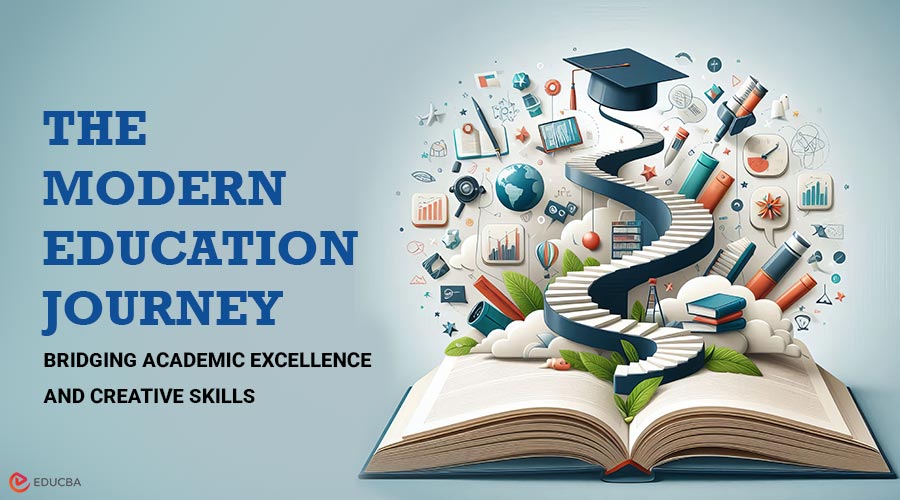
Mastering the Educational Journey in Modern Education
The modern educational landscape offers unprecedented opportunities for learners of all ages, from young students building foundational skills to creative professionals developing specialized expertise. The interconnected world demands both academic excellence and practical skills, creating diverse pathways to success that extend far beyond traditional classroom learning. Educational success in the 21st century requires a strategic approach that balances core academic competencies with emerging skill sets.
Whether you are navigating primary education challenges, exploring international schooling options, or developing creative talents for digital industries, understanding how different educational experiences complement each other can help you make informed decisions that shape your future. The evolving relationship between traditional academics and creative industries reflects broader economic shifts toward knowledge-based careers. Students who excel in foundational subjects while developing digital literacy and creative skills position themselves advantageously in an increasingly competitive global marketplace.
Building Strong Academic Foundations
Primary education is the cornerstone of modern education, shaping study habits and skills that influence future learning. Mastering core subjects such as mathematics, science, and language arts lays a solid foundation for more specialized learning later. Modern curricula can challenge even the most dedicated students. Mathematical concepts build progressively, science subjects demand both theory and practical skills, and language arts develop reading comprehension, writing, and critical analysis abilities that benefit all subjects.
Many students require more than classroom instruction to thrive. Quality supplementary education programs, such as PSLE Tuition Singapore, focus on critical thinking rather than rote memorization, enabling students to succeed in a modern educational framework. These programs provide targeted support, build confidence, and nurture a genuine enthusiasm for learning.
Global Perspectives in Modern Education
International schools offer alternative curricula, innovative teaching methodologies, and multicultural communities that enrich overall learning experiences. International education often emphasizes inquiry-based learning, collaborative problem-solving, and individual creativity. Exposure to these approaches benefits different types of learners and prepares them for global educational standards.
OWIS is a well-respected international school that exemplifies the high standards and comprehensive programs available in quality international educational settings. Students develop cultural competency, language skills, and global awareness, which prove valuable in higher education and international careers. International school graduates often report feeling well-prepared for university studies anywhere in the world. The combination of rigorous academics, cultural awareness, and adaptability skills developed in international settings serves students well regardless of where their educational journey continues.
Creative Industries: The New Frontier in Modern Education
The digital revolution has transformed creative industries from niche markets into major economic drivers. Content creation, digital marketing, video production, and social media management now represent significant career opportunities that combine artistic vision with technical expertise and business acumen. Successful creative careers require both artistic talent and technological proficiency. Programs like the videography course Singapore provide hands-on training with professional equipment, software, and project management techniques.
Quality creative education addresses technical skills and business knowledge, preparing graduates for the global marketplace. The global nature of digital media creates opportunities for creative professionals to serve clients worldwide. A skilled video producer can work with businesses across continents, creating content that reaches international audiences. This global reach makes creative skills particularly valuable in our interconnected economy.
Integrating Academic Excellence with Creative Innovation
The artificial division between academic subjects and creative disciplines is increasingly less relevant in modern educational and professional contexts. Students who combine analytical thinking with creative problem-solving enjoy advantages across multiple domains.
- Mathematics and science sharpen logical thinking, enhancing technical precision in creative projects.
- Language arts improve storytelling, communication, and marketing abilities.
- History and social studies deepen cultural understanding, enriching creative content.
Creative experiences also reinforce traditional academics. Producing video projects or collaborative content enhances research, presentation, teamwork, and leadership skills. Schools increasingly adopt interdisciplinary approaches, encouraging students to merge academic rigor with creative exploration. Updating knowledge, mastering new creative techniques, and acquiring business skills are essential for adapting to an evolving industry.
Strategic Educational Planning for Long-term Success
Making informed educational decisions requires understanding how different learning experiences build upon each other over time. The most successful individuals often create educational portfolios that combine strong foundational academics with specialized skills and global perspectives.
- Primary and secondary education establish essential knowledge and study strategies.
- International experiences enhance cultural competence, language skills, and global networks.
- Specialized creative training equips individuals with marketable skills for entrepreneurship and professional advancement.
The key lies in choosing programs that offer both technical training and industry awareness, preparing students for real-world professional challenges.
The Future of Integrated Learning
Educational trends increasingly favor approaches that prepare students for complex, multifaceted challenges rather than narrow specialization. Employers seek individuals who can communicate effectively, think critically, collaborate in teams, and adapt to change—skills often developed through diverse educational experiences. Technology continues to transform both traditional academic subjects and creative industries.
Students who understand how to leverage technological tools for learning, research, and creative expression position themselves advantageously regardless of their specific career paths. The most successful educational strategies often combine multiple approaches: strong academic foundations, global perspectives, practical skills, and creative abilities. This combined approach equips students for success in traditional careers, creative fields, or entrepreneurial ventures that blend skills from different areas.
Final Thoughts
Modern education provides remarkable opportunities for those who approach learning strategically. Success is achieved not by following a single path but by thoughtfully combining academic, international, and creative experiences to build complementary skills and perspectives. By developing strong academic skills, exploring international opportunities, and refining their creative talents, students can create an educational path that is both personally rewarding and professionally beneficial. Lifelong learning, adaptability, and informed decision-making remain central to thriving in the rapidly evolving world. Investing in modern education is one of the most valuable decisions anyone can make to ensure long-term success in a competitive, interconnected global economy.
Recommended Articles
We hope this guide on modern education helps you navigate the learning landscape. Explore these recommended articles for additional insights and strategies to enhance your educational journey.


