


What is Extrinsic Motivation?
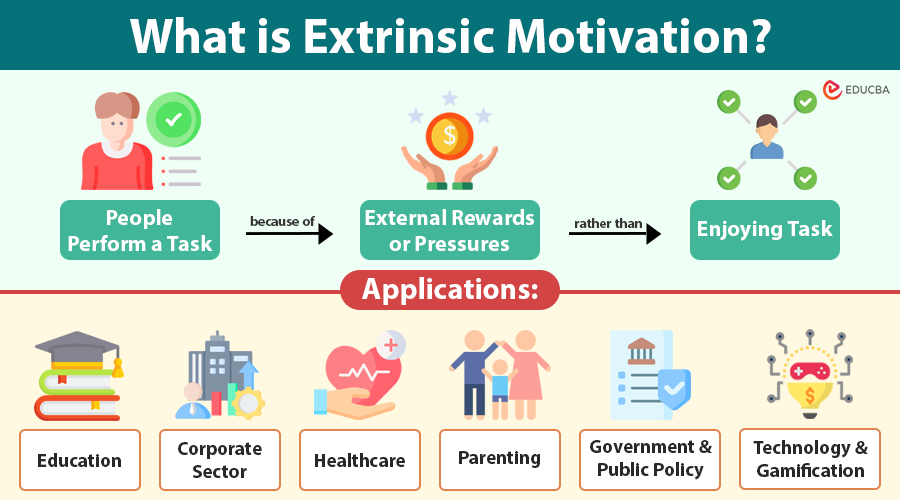
Extrinsic motivation occurs when people perform a task because of external rewards or pressures, rather than because they genuinely enjoy the task itself.
Extrinsic motivation, which comes from outside the individual, typically in the form of rewards, recognition, or the avoidance of punishment.
- Tangible rewards: Money, gifts, bonuses, certificates, promotions, or prizes.
- Intangible rewards: Praise, recognition, approval, or social status.
- Avoidance of negative outcomes: Fear of criticism, punishment, or failure.
For instance, an employee might work overtime to receive a performance bonus, not because they enjoy the task itself. Similarly, a child may do chores at home to earn allowance money. Extrinsic motivation is particularly effective in situations where tasks are less inherently enjoyable or require compliance with rules and standards.
Table of Contents
How to Use Extrinsic Motivation?
Effectively leveraging extrinsic motivation requires strategic planning and thoughtful implementation:
- Set clear and achievable rewards: Clearly define what actions will lead to rewards. Ambiguity reduces motivation. For example, “Complete this project by Friday to earn a $100 bonus.”
- Provide timely reinforcement: Immediate rewards strengthen the connection between action and outcome. Praise given weeks after an accomplishment may have less impact.
- Tailor rewards to individuals: People value rewards differently; some are motivated by money, while others are motivated by recognition, promotions, or privileges. Understanding personal preferences improves effectiveness.
- Align rewards with goals: Incentives should support both short-term and long-term objectives. For example, rewarding skill development encourages sustainable growth rather than temporary performance spikes.
- Maintain balance: Avoid over-reliance on extrinsic rewards, which can diminish intrinsic interest in the activity (known as the overjustification effect).
By carefully designing rewards and recognition, extrinsic motivation can effectively drive productivity, learning, and behavioral change.
Examples of Extrinsic Motivation
Extrinsic motivation manifests across multiple areas of life:
- Workplace: Performance bonuses, promotions, employee-of-the-month awards, stock options, and public recognition for achievements.
- Education: Grades, scholarships, gold stars, certificates, academic honors, and competitions encourage students to study and perform well.
- Sports: Trophies, medals, endorsements, and prize money motivate athletes to train rigorously.
- Everyday life: Family praise for completing chores, rewards for healthy habits (like fitness apps offering badges), or avoiding fines and penalties for compliance with rules.
- Social platforms: Likes, shares, and follower counts can serve as extrinsic motivators, encouraging content creation and engagement.
These examples illustrate how external factors can significantly influence behavior, particularly in structured or goal-oriented settings.
Impact of Extrinsic Motivation
The way you use extrinsic motivation can have either positive or negative effects.
Positive Impacts
- Boosts productivity: Employees and students often complete tasks more efficiently when external rewards are at stake.
- Encourages skill development: Recognition and rewards can motivate individuals to improve performance and acquire new competencies.
- Regulates behavior: Ensures compliance with rules, deadlines, and standards.
- Increases engagement in unpleasant tasks: Tasks that might otherwise be tedious can become more manageable when linked to a reward.
Potential Downsides
- Reduced internal drive: Overemphasis on rewards can decrease intrinsic interest, making individuals dependent on external incentives.
- Short-term focus: Individuals often lose motivation once the reward is removed, which limits their long-term engagement.
- Pressure and stress: If rewards are highly competitive, it may create undue stress or unhealthy competition.
Extrinsic motivation drives short-term goals and works well in structured environments; however, individuals require intrinsic motivation to sustain long-term engagement.
Applications of Extrinsic Motivation
People apply extrinsic motivation widely across various domains:
- Education: Teachers and schools use grades, certificates, competitions, and awards to motivate students. Incentives can encourage attendance, participation, and academic improvement.
- Corporate sector: Companies implement performance-based pay, bonuses, promotions, recognition programs, and employee awards to enhance productivity and job satisfaction.
- Healthcare: Rewards such as discounts, vouchers, or recognition motivate patients to adhere to treatment plans, maintain healthy habits, or participate in wellness programs.
- Parenting: Parents use praise, rewards, and allowances to reinforce desired behavior in children, from completing homework to practicing good manners.
- Government & public policy: Governments use tax rebates, subsidies, penalties, and fines to encourage compliance with laws and influence public behavior, such as promoting recycling or safe driving.
- Technology & gamification: Apps and digital platforms often use badges, points, levels, or leaderboards to encourage user engagement and sustained activity.
These applications demonstrate how extrinsic motivators can shape behavior at individual, organizational, and societal levels.
Extrinsic vs. Intrinsic Motivation
While both types of motivation influence behavior, there are key differences:
| Feature | Extrinsic Motivation | Intrinsic Motivation |
| Source | External rewards or pressures | Internal satisfaction or personal interest |
| Focus | Outcome or reward | Activity itself |
| Duration | Often short-term | Long-term and sustainable |
| Examples | Bonuses, grades, recognition | Personal growth, curiosity, enjoyment |
| Impact on Creativity | May limit creative thinking | Encourages exploration and innovation |
Combining Both: Research suggests the most effective approach is a balanced strategy. Extrinsic rewards can initiate behavior, while intrinsic motivation sustains it over the long term. For example, a student may initially study for a scholarship but continue learning because of a genuine interest in the subject.
Challenges of Extrinsic Motivation
Despite its effectiveness, extrinsic motivation presents several challenges:
- Overjustification effect: Excessive rewards can undermine intrinsic interest, making individuals reliant on external incentives.
- Short-term focus: When individuals no longer receive rewards, their motivation often declines, making their behavior unsustainable.
- Equity issues: Unequal distribution of rewards can lead to dissatisfaction, resentment, or demotivation.
- Superficial compliance: People may perform tasks only to receive rewards rather than truly internalize the behavior.
- Cost and resource-intensive: Continuous financial or tangible rewards can be expensive and unsustainable for organizations.
- Potential stress: High-pressure reward systems can create competition, anxiety, or unhealthy work environments.
Addressing these challenges requires careful design of reward systems, monitoring outcomes, and combining extrinsic incentives with intrinsic motivation strategies.
Final Thoughts
Extrinsic motivation is a powerful tool to influence behavior, enhance performance, and achieve specific goals. When applied effectively, it can boost productivity, encourage skill development, and promote adherence to rules. However, individuals should balance it with intrinsic motivation to maintain long-term engagement, creativity, and personal satisfaction. Understanding when and how to apply extrinsic rewards is key to achieving both individual and organizational success.
Frequently Asked Questions (FAQs)
Q1. Can extrinsic motivation turn into intrinsic motivation?
Answer: Yes. In some cases, repeated exposure to rewarding activities can help individuals develop genuine interest or satisfaction, gradually transforming extrinsic motivation into intrinsic motivation.
Q2. How do cultural differences affect extrinsic motivation?
Answer: Cultural norms influence what people value as rewards. For example, in some cultures, public recognition may be more motivating, while in others, monetary or private rewards carry more weight.
Q3. Can extrinsic motivation lead to burnout?
Answer: Yes. Focusing too much on external rewards, especially in stressful environments, can raise stress levels and cause burnout if people feel constantly pressured to earn incentives.
Q4. How can managers measure the effectiveness of extrinsic motivation?
Answer: Managers can measure effectiveness by tracking performance metrics, productivity improvements, employee satisfaction surveys, and retention rates. Tracking whether rewards lead to sustainable behavior is also essential.
Recommended Articles
We hope this detailed guide on extrinsic motivation gave you practical insights. Explore our other motivation and productivity articles to enhance your knowledge and application.

