


Introduction to Green Marketing
What makes a product genuinely eco-friendly? Is recyclable packaging enough, or should a business also consider how it is made, transported, and disposed of? These questions matter more as consumers pay closer attention to the environmental impact of their purchases.
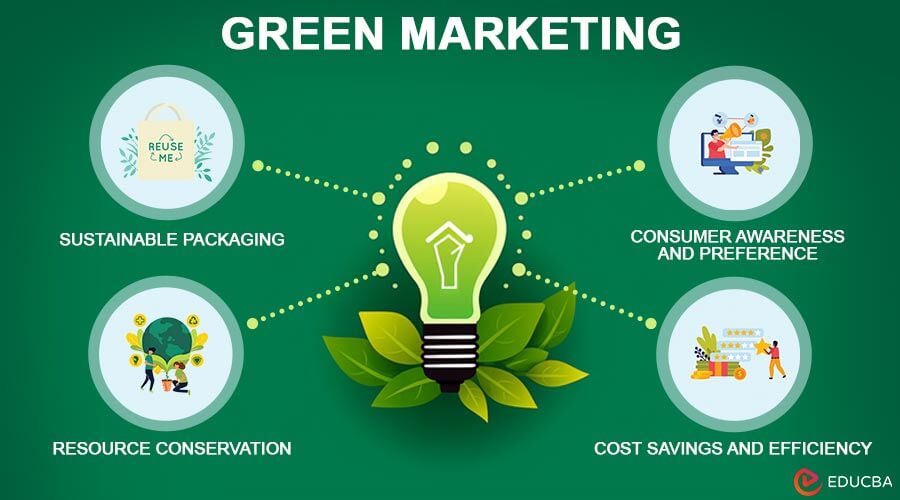
Green marketing promotes products, services, and business practices that reduce environmental impact. It goes beyond advertising eco-friendly products. Businesses must also consider sustainable sourcing, energy efficiency, responsible packaging, and transparent communication.
When implemented effectively, green marketing helps businesses connect with environmentally conscious consumers, differentiate their offerings, and build long-term trust. However, misleading environmental claims can damage credibility and lead to accusations of greenwashing.
This guide explores what green marketing is, why it matters, key strategies, benefits, challenges, and real-world examples. It also explains how businesses can develop credible campaigns and communicate their sustainability efforts effectively.
Table of Contents
- Meaning
- Key Principles
- Evolution
- Importance
- Benefits
- Strategies
- Real-World Examples
- Green Marketing vs. Greenwashing
- Avoiding Greenwashing
- Consumer Perception
- Challenges
- Developing a Marketing Strategy
- Action Checklist
- Best Practices
- Future Trends
Key Takeaways
- Green marketing promotes products and services by highlighting genuine environmental benefits and sustainable business practices.
- Transparency, responsible resource use, eco-friendly packaging, and sustainable product development are essential elements of an effective green marketing strategy.
- Businesses can use green marketing to strengthen brand reputation, build customer trust, improve customer loyalty, and stand out in competitive markets.
- Green marketing differs from greenwashing because it relies on accurate, verifiable environmental claims rather than misleading or exaggerated statements.
- Companies may face challenges such as high implementation costs, complex supply chains, and difficulties measuring environmental impact.
- An effective green marketing strategy requires clear sustainability goals, credible evidence, honest communication, and regular performance reviews.
- Growing environmental awareness and demand for responsible business practices continue to create opportunities for sustainable marketing and innovation.
What Is Green Marketing?
Green marketing involves promoting goods and services by highlighting their positive environmental impact and sustainable features. It involves incorporating sustainability into product development, packaging, pricing, distribution, promotion, and other business activities.
For example, a personal care brand might introduce refillable containers, reduce unnecessary packaging, and explain how customers can reuse its products. These actions become part of green marketing when the brand communicates its environmental efforts accurately and supports its claims with evidence.
Green marketing also considers a product’s environmental impact throughout its lifecycle, from raw material sourcing and manufacturing to transportation, use, and disposal.
Key Principles of Green Marketing
1. Sustainability
Businesses aim to reduce waste, conserve resources, and use materials responsibly. Sustainable product design may include recycled materials, renewable resources, energy-efficient processes, and longer-lasting products.
2. Environmental responsibility
Companies consider how their operations affect the environment. This may involve reducing emissions, managing waste responsibly, and improving energy and water efficiency.
3. Transparency
Businesses communicate their environmental efforts clearly and honestly. They should explain what makes a product sustainable, provide supporting evidence, and avoid exaggerated claims.
4. Consumer awareness
Green marketing helps customers understand products’ environmental characteristics and make informed purchasing decisions.
5. Continuous improvement
Sustainability is an ongoing process. Businesses should review their environmental performance, identify areas for improvement, and update their practices as better solutions become available.
Evolution of Green Marketing
Green marketing developed as environmental awareness and concerns about pollution, resource consumption, and waste gained attention during the twentieth century. Early efforts often focused on specific product benefits, such as energy efficiency or the use of recycled materials.
Over time, sustainability became a broader business consideration. Companies began incorporating environmental concerns into product development, supply chains, packaging, and brand communication.
Today, green marketing extends beyond individual eco-friendly products. Businesses increasingly consider their operations’ environmental impact and how they can communicate measurable progress. Consumers also expect greater transparency, so evidence-based environmental claims are essential to maintaining credibility.
Why Is Green Marketing Important?
Green marketing matters because environmental concerns influence consumer expectations, business decisions, and regulatory requirements. When companies integrate sustainability into their operations, they can meet these expectations, improve efficiency, and strengthen customer relationships.
1. Meets Changing Consumer Expectations
Consumers increasingly encounter environmental claims when comparing products and brands. Some prefer products with recyclable packaging, responsibly sourced materials, or lower resource consumption.
Green marketing helps businesses explain these features and demonstrate how their offerings align with customer preferences. However, consumer interest varies by product category, price, and individual priorities.
2. Builds Brand Image and Reputation
A business that communicates its sustainability efforts honestly can strengthen its reputation. Specific information about product materials, packaging, or resource-saving initiatives helps consumers better understand the company’s commitments.
Credibility depends on consistency. Marketing claims should reflect actual business practices rather than create an impression of sustainability that the company cannot support.
3. Supports Regulatory Compliance
Environmental regulations and advertising standards can affect product labels, packaging, and promotional claims. Businesses must understand the requirements that apply to their products and markets.
Green marketing can support compliance when companies use accurate information, maintain appropriate documentation, and communicate environmental benefits responsibly.
4. Improves Operational Efficiency
Sustainable business practices can create opportunities to reduce operating costs. Lower energy consumption, improved material efficiency, reduced packaging, and better waste management may help businesses use resources more effectively.
Financial results depend on implementation costs, production methods, and the scale of improvements.
5. Creates Market Differentiation
When competing products offer similar features, credible environmental benefits can help a brand stand out. Businesses can differentiate their products through durability, repair options, reusable packaging, or verified material choices.
These features work best when they solve a real customer problem rather than relying on broad sustainability slogans.
6. Encourages Environmental Responsibility
Green marketing can encourage businesses and consumers to consider the environmental consequences of their decisions. Clear information about product use, maintenance, reuse, and disposal can help customers make more responsible choices.
It can also motivate companies to review their operations and identify areas to improve environmental performance.
Benefits of Green Marketing for Businesses
Green marketing can offer several business advantages when environmental initiatives are genuine, relevant, and supported by measurable actions.
| Benefit | How it helps a business |
| Stronger customer relationships | Builds trust through clear and credible communication |
| Brand differentiation | Highlights meaningful product and business attributes |
| Resource efficiency | Encourages more effective use of energy, water, and materials |
| Customer retention | Can strengthen loyalty among consumers who value sustainability |
| Innovation opportunities | Encourages new materials, packaging formats, and product designs |
| Risk management | Helps businesses identify misleading claims and environmental compliance risks |
| Long-term resilience | Encourages preparation for changing expectations and resource constraints |
These benefits are not automatic. Companies need to consider costs, customer demand, operational feasibility, and the evidence behind their claims.
Green Marketing Strategies and Examples
Effective green marketing connects environmental improvements with clear communication. Businesses should first identify meaningful opportunities to reduce environmental impact and then explain those efforts to customers.
1. Develop Sustainable Products
Product development is a foundation of green marketing. Companies can explore recycled materials, renewable resources, energy-efficient designs, and longer product lifespans.
Durable products can also reduce the need for frequent replacements. Repair services, replaceable components, and refurbishment programs may help extend product life.
2. Adopt Eco-Friendly Packaging
Packaging influences material consumption, transportation, and waste generation. Businesses can reduce unnecessary packaging, select suitable recyclable materials, and introduce reusable or refillable formats where practical.
They should also consider whether local recycling facilities can process the selected materials.
3. Communicate Environmental Benefits Clearly
Marketing messages should explain the specific environmental characteristics of a product or business practice. Recognized certifications, product documentation, and reliable data can help support relevant claims.
Businesses should avoid vague phrases such as “100% green” or “completely sustainable” unless they can define and substantiate what those statements mean.
4. Use Responsible Pricing Strategies
Sustainable products may involve different material, production, or certification costs. Businesses need pricing strategies that reflect customer expectations and the product’s value.
Competitive pricing can make environmentally considerate options more accessible. Value-based pricing may be appropriate when a product offers verified benefits, improved durability, or reduced operating costs.
5. Improve Supply Chain Sustainability
Green marketing should reflect more than a product’s final packaging. Companies can assess supplier practices, reduce unnecessary transportation, improve material efficiency, and monitor environmental performance throughout their supply chains.
6. Build Environmental Partnerships
Partnerships with environmental organizations, suppliers, research institutions, and other businesses can help companies develop sustainability initiatives.
Such collaborations may support recycling programs, conservation projects, responsible sourcing, or consumer education. Businesses should explain each partner’s role and avoid implying that a partnership guarantees every product’s sustainability.
7. Encourage Employee Participation
Employees influence how businesses implement and communicate sustainability policies. Training can help staff understand waste reduction, responsible resource use, and how to communicate environmental messages accurately.
Businesses can also encourage employee suggestions for improving operations.
Real-World Examples of Green Marketing
Several companies illustrate how environmental initiatives can become part of product development, customer communication, and brand positioning. Their initiatives offer useful lessons, though no company should automatically be considered sustainable across all operations.
1. Patagonia
Patagonia is known for connecting outdoor apparel with environmental responsibility. Its Worn Wear initiative promotes garment repair and resale, encouraging customers to extend the useful life of their clothing.
The company also communicates its environmental commitments and supports environmental causes.
2. Tesla
Tesla markets electric vehicles as alternatives to conventional petrol and diesel vehicles. Its product positioning emphasizes electric mobility, charging infrastructure, and vehicle technology.
Electric vehicles have no tailpipe emissions during driving, although their overall environmental impact also depends on electricity generation, manufacturing, battery production, and other lifecycle factors.
3. Unilever
Unilever has incorporated sustainability initiatives into parts of its business and brand communication. Brands in its portfolio use environmental and social themes in their positioning, though initiatives and performance vary by brand.
4. IKEA
IKEA communicates initiatives related to resource efficiency, product design, material sourcing, and more sustainable living. Its broad product range also gives it opportunities to discuss product longevity and resource use.
5. Toyota Prius
The Toyota Prius helped bring hybrid vehicle technology into mainstream consumer awareness. Its marketing has emphasized fuel efficiency and reduced fuel consumption compared with relevant conventional alternatives.
Actual savings depend on driving conditions, vehicle models, and usage patterns.
6. Ecover
Ecover is associated with cleaning products that emphasize plant-based ingredients and packaging considerations. Evaluate product-specific environmental claims using current ingredient information, packaging details, and available evidence.
Green Marketing vs. Greenwashing
Green marketing and greenwashing both involve environmental messaging, but they differ in the accuracy and credibility of their claims. Genuine green marketing highlights environmental initiatives supported by verifiable evidence, while greenwashing misleads consumers with exaggerated, vague, or unsupported sustainability claims. Greenwashing occurs when a company creates a misleading impression about the environmental benefits of a product, service, or business.
| Factor | Green Marketing | Greenwashing |
| Purpose | Communicates genuine environmental efforts | Creates a misleading impression of sustainability. |
| Claims | Specific, accurate, and verifiable | Vague, exaggerated, or unsupported |
| Evidence | Uses relevant data and documentation | Provides little or no credible evidence |
| Business practices | Supports claims with actual improvements | Relies heavily on promotional messaging |
| Consumer trust | Builds credibility over time | Risks damaging reputation and loyalty |
| Example | Disclosing verified recycled content in packaging | Calling packaging “100% green” without explaining or supporting the claim |
How Can Businesses Avoid Greenwashing?
Businesses can reduce greenwashing risks by following these practices:
- Use specific claims: Explain the exact environmental feature instead of relying on vague words such as “natural” or “green.”
- Keep supporting evidence: Maintain documentation for claims about recycled content, emissions, energy use, or other environmental attributes.
- Clarify the scope: Specify whether a claim applies to a product, its packaging, a particular facility, or the entire business.
- Explain limitations: Disclose relevant conditions and avoid implying that one improvement makes a product environmentally harmless.
- Review marketing materials: Check advertisements, labels, websites, and social media posts for potentially misleading language.
- Follow applicable standards: Review relevant advertising rules, environmental regulations, and certification requirements in each market.
For example, a company using recyclable packaging should explain the materials involved and whether customers can access suitable recycling facilities. This gives consumers more useful information than a general claim that the packaging is sustainable.
Consumer Perception and Behavior in Green Marketing
Consumer attitudes influence how people respond to environmental messaging. Understanding these factors helps businesses develop informative, relevant campaigns.
Environmental Awareness
Consumers with greater environmental awareness may pay closer attention to packaging, material sourcing, waste, and product durability. Clear information helps them compare available options.
Health and Safety Concerns
Some consumers associate environmental responsibility with safer ingredients or healthier living. However, environmental benefits and health benefits are not the same. Businesses should substantiate health-related claims separately.
Social Influence
Family, friends, online communities, and broader cultural trends can influence purchasing decisions. Businesses can respond by sharing credible information and encouraging responsible product use rather than relying solely on trends.
Trust and Transparency
Consumers may question broad sustainability claims when companies provide little evidence. Specific disclosures, clear product information, and honest explanations can make environmental communication more credible.
Price Sensitivity
Some consumers will pay more for specific environmental benefits, while others prioritize affordability. Businesses can address this difference by improving efficiency, offering accessible product options, and clearly explaining product value.
Personal Values and Brand Loyalty
Consumers may prefer products that align with their values. Positive experiences, reliable product performance, and credible environmental initiatives can encourage repeat purchases. However, sustainability claims alone cannot guarantee customer loyalty.
Challenges of Green Marketing
Although green marketing creates opportunities, businesses must address several practical challenges to maintain credibility and achieve meaningful results.
1. Greenwashing Risks
Unsupported environmental claims can mislead consumers and damage a brand’s reputation. Companies need reliable evidence and internal review processes before publishing sustainability messages.
2. Higher Initial Costs
Sustainable materials, product redesigns, certification, and supply chain improvements may require significant investment. Businesses should evaluate these costs against operational feasibility and potential long-term benefits.
3. Consumer Skepticism
Past examples of misleading environmental claims can make customers cautious. Companies need consistent practices and clear information to demonstrate that their commitments are genuine.
4. Limited Consumer Awareness
Consumers may not understand technical terms, recycling labels, or the environmental differences between competing products. Businesses can address this challenge through accessible explanations and practical guidance.
5. Complex Supply Chains
Products often involve multiple suppliers, manufacturers, transport providers, and distributors. Verifying environmental performance across these stages requires cooperation, documentation, and appropriate monitoring systems.
6. Regulatory Requirements
Environmental advertising claims may be subject to specific rules that vary by jurisdiction and product category. Businesses must review applicable requirements rather than assume that a claim acceptable in one market is acceptable everywhere.
7. Balancing Sustainability and Profitability
Businesses must consider environmental objectives alongside affordability, quality, production capacity, and customer needs. The most suitable approach often involves setting realistic priorities and improving performance over time.
How to Develop a Green Marketing Strategy?
Businesses can begin green marketing by identifying meaningful improvements and creating a plan to communicate them accurately.
Step 1. Assess Current Business Practices
Review product design, sourcing, manufacturing, packaging, distribution, energy use, and waste management. Identify areas where environmental impacts may be reduced.
Step 2. Set Measurable Sustainability Goals
Define specific targets that are relevant to the business. Examples include reducing packaging material per product, improving energy efficiency, or increasing the proportion of suitable materials recovered for reuse.
Set a baseline and a realistic timeline so the business can measure progress.
Step 3. Identify Relevant Product Improvements
Prioritize changes that offer practical environmental benefits without compromising essential product performance or safety.
These changes may involve durable designs, more efficient manufacturing, responsible material selection, or better packaging.
Step 4. Review Packaging and Distribution
Examine whether packaging can be reduced or reused and whether transportation processes can become more efficient. When selecting materials, consider whether appropriate disposal or recycling facilities are available.
Step 5. Verify Environmental Claims
Collect the information needed to support marketing statements. Depending on the claim, this may involve supplier documentation, material specifications, energy data, lifecycle assessments, or relevant certifications.
Step 6. Communicate Clearly
Explain what the business has changed, why the change matters, and what evidence supports the claim. Avoid suggesting that a limited improvement represents the environmental performance of the entire company.
Step 7. Involve Employees and Partners
Train employees and work with suppliers, distributors, and relevant partners to implement sustainability measures consistently. Clear responsibilities help ensure that marketing messages match actual practices.
Step 8. Measure Results and Improve
Track relevant performance indicators, review progress against the original targets, and update the strategy when necessary. Communicate both achievements and areas that still need improvement.
Green Marketing Action Checklist
Businesses can use this checklist to review their readiness before launching a campaign.
- Audit the environmental impact of products and operations.
- Identify specific sustainability improvements.
- Set measurable goals with realistic timelines.
- Verify environmental claims using reliable evidence.
- Update product packaging and marketing materials.
- Train employees to communicate claims accurately.
- Track progress and publish transparent updates.
- Review campaigns regularly and correct outdated or misleading information.
Best Practices for Effective Green Marketing
A strong green marketing strategy requires consistency between business practices and promotional messages. The following practices can help companies improve their campaigns’ credibility and usefulness.
1. Prioritize Authenticity
Environmental messaging should reflect genuine action. Businesses should identify what they have actually improved and support their statements with relevant evidence.
2. Integrate Sustainability into Business Decisions
Sustainability should influence product development, procurement, operations, and distribution where appropriate. Treating it only as an advertising theme can create a gap between promises and performance.
3. Focus on Meaningful Innovation
Invest in improvements that address real environmental concerns and customer needs. Examples include longer-lasting products, repair services, reduced material use, and more efficient production processes.
4. Educate Consumers
Provide clear instructions about product use, maintenance, reuse, and disposal. Educational content can help customers understand products’ environmental attributes without relying on vague promotional claims.
5. Use Clear and Compelling Messaging
Keep sustainability messages specific, understandable, and relevant. Explain the benefit, the scope of the claim, and any important limitations.
6. Collaborate with Relevant Stakeholders
Work with suppliers, environmental organizations, research institutions, and other appropriate partners. Verify each collaboration and communicate the results accurately.
7. Measure and Report Environmental Impact
Select indicators that match the initiative, such as energy consumption, packaging material use, or waste reduction. Report the measurement period and calculation method where relevant.
8. Review Certifications and Standards
Use recognized certifications where they are relevant to the product and market. Verify their requirements, validity, and scope before displaying certification marks in marketing materials.
9. Learn from Results
Review customer feedback, campaign performance, operational data, and changes in environmental impact. Use these findings to refine future initiatives instead of relying on promotional reach alone.
Future Trends in Green Marketing
Green marketing continues to evolve as environmental concerns, technology, customer expectations, and regulations influence business decisions. Several developments may shape future strategies.
1. Circular Economy
Circular economy approaches focus on keeping products and materials in use for longer through durability, repair, reuse, refurbishment, and recycling.
Businesses can communicate these initiatives by explaining repair services, take-back programs, or the use of recovered materials. The effectiveness of these claims depends on the actual systems available to customers.
2. Climate Action and Emissions Reporting
Businesses are paying closer attention to measuring and reducing emissions. Green marketing may increasingly communicate energy efficiency, operational improvements, and progress toward climate-related targets.
Companies should distinguish measured emission reductions from estimated offsets and clearly explain the boundaries of any climate-related claim.
3. Innovation in Sustainable Materials
Research into recycled materials, renewable feedstocks, and alternative packaging can create new product opportunities. However, businesses need to assess material performance, sourcing, production impacts, and disposal options before making environmental comparisons.
4. Supply Chain Transparency
Customers and business partners may seek more information about product origins and manufacturing processes.
Digital tracking systems and supplier documentation can help businesses improve traceability. Any public claims should reflect the actual coverage and reliability of the information collected.
5. Regenerative Agriculture
Regenerative agriculture focuses on farming practices intended to improve soil health, support biodiversity, and strengthen ecosystem functions. Businesses working with agricultural suppliers may communicate verified sourcing initiatives and explain how those practices are assessed.
6. Reusable and Refillable Packaging
Refill systems, returnable containers, and reusable packaging may provide alternatives to single-use formats in suitable settings. Their environmental performance depends on factors such as transport, cleaning, reuse rates, and product design.
7. Digital Tools and Environmental Measurement
Digital technologies can help businesses monitor resource consumption, collect supplier information, and assess operational performance. Artificial intelligence and connected devices may support analysis and planning, but businesses should verify the quality of the underlying data.
8. Greater Scrutiny of Environmental Claims
Consumers, regulators, and other stakeholders are increasingly attentive to the accuracy of sustainability messaging. Businesses should expect greater emphasis on specific claims, appropriate evidence, and transparent reporting.
Frequently Asked Questions (FAQ’s)
Q1. What is the main purpose of green marketing?
Answer: Green marketing promotes products, services, and business practices that reduce environmental impact. It also helps businesses communicate genuine sustainability efforts and connect with consumers who value responsible consumption.
Q2. What are the four Ps of green marketing?
Answer: The four Ps of green marketing are product, price, place, and promotion. They involve developing environmentally considerate products, setting appropriate prices, choosing responsible distribution methods, and communicating sustainability benefits accurately.
Q3. What is an example of green marketing?
Answer: A company that uses verified recycled packaging and clearly explains its recycled content is an example of green marketing. The claim should be supported by evidence and accurately describe the product or packaging.
Q4. How can businesses avoid greenwashing?
Answer: Businesses can avoid greenwashing by making specific, verifiable environmental claims, keeping supporting documentation, avoiding vague sustainability language, and honestly communicating limitations.
Q5. What are the biggest challenges of green marketing?
Answer: The main challenges include higher implementation costs, consumer skepticism, complex supply chains, regulatory requirements, and the difficulty of verifying environmental claims across a product’s lifecycle.
Final Thoughts
Green marketing lets businesses connect their products and services to genuine environmental responsibility. From sustainable product design and packaging to transparent communication and responsible sourcing, effective green marketing requires more than promotional claims. It depends on actions businesses can explain, measure, and back up with credible evidence.
As consumer expectations and environmental regulations evolve, businesses that prioritize transparency and continuous improvement can strengthen trust and differentiate their offerings. The most effective approach is to start with achievable sustainability goals, communicate progress honestly, and ensure that every environmental claim reflects actual business practices.
Recommended Articles
We hope this guide to green marketing helps you understand its strategies, benefits, and real-world applications. Check out these recommended articles for more insights into sustainable business practices, environmental management, and effective marketing strategies.