

Tourism: Overview
Traveling to various destinations for relaxation and enjoyment, business, or other purposes to explore new destinations, experience different cultures, and enjoy various activities.
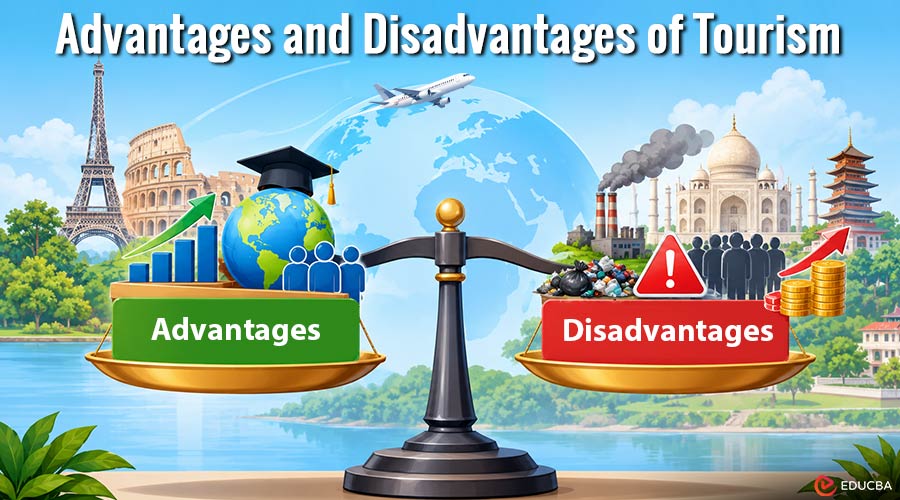
Advantages and Disadvantages of Tourism: Tourism is a major industry that contributes to economic development, cultural exchange, and employment opportunities worldwide. Every year, millions of people travel to different destinations to explore new places, experience different cultures, and enjoy leisure activities. Tourism also supports local businesses, creates jobs, and generates income for countries.
However, tourism also brings challenges. More visitors can cause environmental pollution, overcrowding, pressure on natural resources, and changes in local traditions. Understanding the advantages and disadvantages of tourism helps governments, businesses, and communities promote responsible travel and achieve sustainable development.
Advantages of Tourism
Tourism offers several economic, social, cultural, and educational benefits. Some of its major advantages are as follows:
1. Economic Growth and Development
Tourism contributes to a country’s economy by bringing in foreign exchange through international visitors. These earnings help governments fund public projects, support imports, and strengthen financial stability. The industry also encourages the development of new businesses, markets, and services. As tourism expands, it creates more employment opportunities and increases economic activity, contributing to overall GDP growth.
2. Cultural Exchange and Social Benefits
Tourism encourages people to understand and appreciate different cultures, traditions, and historical backgrounds. It also supports cultural preservation by attracting visitors to monuments, palaces, museums, and other historical attractions. Interacting with people from different communities helps travelers develop new perspectives and overcome common stereotypes. This cultural exchange promotes mutual respect, social connections, and greater understanding among communities. Tourism marketing also helps destinations attract visitors and showcase their unique traditions and cultural experiences.
3. Education and Personal Growth
Traveling provides opportunities to learn about different places, lifestyles, cultures, and historical events. Visiting new destinations helps people gain practical knowledge that they may not acquire through books or classroom learning. It also improves communication skills, builds confidence, and encourages independence. These experiences contribute to personal development and may open doors to new professional and business opportunities.
4. Employment and Job Creation
Tourism supports employment across several industries, including hospitality, transportation, entertainment, and food services. Residents can find work in hotels, restaurants, lounges, bars, casinos, amusement parks, zoos, and other tourist facilities. Opportunities in hotel management and related services also allow people to develop valuable professional skills. A career in tourism can provide steady income, career development, and an improved standard of living.
5. Breaks the Stereotypes
Traveling to different countries gives people the chance to experience unfamiliar customs, religious beliefs, and ways of life. These interactions help travelers understand perspectives that may differ from their own. Experiencing another culture firsthand can challenge existing assumptions and reduce misunderstandings. As a result, tourism encourages open-mindedness, cultural acceptance, and stronger relationships between people from different backgrounds.
6. Preservation of Cultural Heritage
Tourism can help preserve a destination’s cultural heritage by generating revenue for historical and cultural attractions. Governments and local organizations can use tourism income to maintain museums, restore historical monuments, protect heritage sites, and organize cultural festivals. It also creates opportunities for local artists and craftspeople to showcase traditional art, music, dance, and handicrafts. These efforts help preserve cultural traditions and pass them on to future generations.
Disadvantages of Tourism
Although tourism provides several benefits, it can also create challenges for destinations and local communities. Some of the major disadvantages of tourism are as follows:
1. Environmental Pollution and Degradation
A sudden increase in visitors can put considerable pressure on the environment. More tourists often mean increased vehicle traffic, higher fuel consumption, and greater carbon emissions. Popular destinations may also experience excessive littering, plastic pollution, and improper waste disposal. These activities can damage natural surroundings, pollute water bodies, and affect wildlife. Without proper waste management and environmental protection measures, tourism can cause long-term ecological damage.
2. Pressure on Natural Resources
Tourism increases the demand for essential resources such as water, electricity, food, and fuel. Hotels, restaurants, transportation services, and other tourist facilities consume large quantities of these resources to serve visitors. This added demand can create difficulties for destinations with limited supplies. In areas facing water shortages or other resource constraints, excessive tourism can make daily life more challenging for residents.
3. Loss of Local Culture and Traditions
Too many tourists can gradually change a destination’s cultural identity. To attract visitors, some communities turn traditional practices, festivals, clothing, and rituals into commercial activities. Although this can generate income, it may reduce the cultural and religious significance of these traditions. Residents may also feel uncomfortable when visitors treat their customs as entertainment rather than respecting their cultural importance.
4. Overdependence on Tourism
When a country relies heavily on tourism for economic development, other important industries may receive less attention and investment. This creates economic risks because the tourism sector is sensitive to unexpected events such as natural disasters, political conflicts, economic downturns, and health emergencies. Travel restrictions or closed borders can significantly reduce visitor numbers and business revenue. Such situations can affect national income and leave tourism-dependent workers without employment. During difficult periods, tourism businesses may need to explore Rezdy alternatives to improve booking management and maintain efficient operations.
5. Seasonal Employment and Income
Tourism in many destinations depends on weather conditions, holidays, and specific travel seasons. Some locations attract large crowds in certain months but see very few visitors for the rest of the year. This seasonal pattern creates financial uncertainty for local businesses and workers. When visitor numbers decline, hotels, restaurants, and travel operators may reduce their services or lay off employees. As a result, people who depend on tourism for their income may need to find temporary jobs or alternative sources of earnings.
6. Overcrowding and Rising Living Costs
Popular tourist destinations often experience overcrowding during holidays and peak travel seasons. Large numbers of visitors can cause traffic congestion, crowded public transportation, long queues, and pressure on public facilities. Tourism can also increase the cost of living for residents. For example, higher demand for accommodation can increase property prices and rental costs. Similarly, restaurants, shops, and other businesses may raise their prices in tourist areas. These changes can make everyday living more expensive for local communities.
How to Make Tourism More Sustainable?
Tourism can create economic and social benefits while protecting the environment and local communities. However, responsible tourism management is important to reduce negative effects and preserve destinations for future generations. Governments, tourism businesses, local communities, and travelers can work together to promote sustainable tourism through responsible practices.
Some effective ways to make tourism more sustainable include:
1. Protecting Natural Resources
Tourists and tourism businesses should use natural resources responsibly. Visitors can conserve water, reduce electricity use, avoid littering, and limit single-use plastics. Hotels and resorts can also adopt energy-efficient systems, install water-saving facilities, and follow proper waste management practices. These efforts help protect natural resources and minimize environmental damage.
2. Supporting Local Businesses
Tourists can support local communities by purchasing locally made products, eating at local restaurants, and using community-based tourism services. This helps small businesses generate income and creates employment opportunities for residents. Supporting local businesses also encourages traditional crafts, local food production, and other community activities.
3. Preserving Cultural Heritage
Tourism businesses and local authorities should take steps to protect historical sites, traditional practices, and cultural attractions. Visitors should respect local customs, religious beliefs, festivals, and community values. Tourism revenue can also support restoring historical monuments, museums, and heritage sites. These efforts help preserve cultural identity and pass traditional knowledge on to future generations.
4. Managing Tourist Numbers
Popular destinations can experience overcrowding when too many visitors arrive at the same time. Local authorities can manage tourist numbers by introducing visitor limits, timed entry tickets, and booking systems at crowded attractions. They can also promote lesser-known destinations to distribute visitor traffic more evenly. This helps protect natural and cultural attractions while improving the experience for tourists and residents.
5. Promoting Responsible Travel
Travelers should make responsible choices throughout their journeys. They can use public transportation, avoid unnecessary waste, respect wildlife, and follow environmental guidelines at tourist destinations. Visitors should also respect local communities, avoid damaging natural attractions, and follow rules at historical and religious sites. Responsible travel helps reduce tourism’s negative effects and encourages more sustainable tourism practices.
Advantages and Disadvantages of Tourism
Advantages and Disadvantages of Tourism: Tourism offers several benefits to the economy and local communities, but it can also create environmental, social, and economic challenges. The following table highlights the major differences:
| Advantages | Disadvantages |
| Promotes economic growth and development | Can increase the cost of living |
| Creates employment opportunities | May cause seasonal unemployment |
| Encourages cultural exchange | Can affect local traditions and customs |
| Supports infrastructure development | Can lead to overcrowding and traffic congestion |
| Helps preserve cultural heritage | Can damage historical sites |
| Generates foreign exchange revenue | Can increase environmental pollution |
| Supports local businesses | Can put pressure on natural resources |
| Encourages personal growth and learning | Can lead to overdependence on tourism |
Final Thoughts
Tourism has advantages and disadvantages, including economic development, employment opportunities, cultural exchange, and personal growth. However, uncontrolled tourism can also cause environmental damage, resource shortages, cultural change, and economic uncertainty. Therefore, governments and tourism businesses must focus on responsible planning and sustainable practices.
Involving local communities, protecting natural resources, and preserving cultural heritage can help destinations balance tourism growth with long-term development. For individuals interested in entering this industry, pursuing an MBA in Travel and Tourism can provide the practical knowledge and management skills needed to build a successful career.
Frequently Asked Questions (FAQs)
Q1. How does tourism contribute to economic growth?
Answer: Tourism contributes to economic growth by generating revenue, attracting foreign exchange, and creating employment opportunities. It supports local businesses, including hotels, restaurants, transportation services, and travel agencies. Tourism also encourages infrastructure investment and contributes to a country’s GDP.
Q2. How does tourism affect the environment?
Answer: Tourism can benefit the environment in some ways while also causing environmental damage. It can support wildlife conservation and environmental awareness. However, excessive tourism can cause air pollution, plastic waste, noise pollution, habitat destruction, and increased pressure on natural resources such as water and energy.
Q3. Why is sustainable tourism important?
Answer: Sustainable tourism is important because it protects the environment, preserves cultural heritage, and supports local communities. It encourages responsible travel practices while ensuring that natural and cultural resources remain available for future generations.
Q4. How does tourism benefit local communities?
Answer: Tourism benefits local communities by creating jobs, increasing income, and supporting small businesses. It also encourages cultural exchange, improves local infrastructure, and gives residents opportunities to promote traditional crafts, food, and cultural activities.
Q5. What are the different types of tourism?
Answer:
The main types of tourism include:
- Domestic Tourism: Traveling within one’s own country.
- International Tourism: Traveling to another country.
- Adventure Tourism: Activities such as trekking, hiking, and rafting.
- Cultural Tourism: Exploring local traditions, festivals, and heritage.
- Medical Tourism: Traveling to another destination for medical treatment.
- Eco-Tourism: Visiting natural areas while supporting environmental conservation.
- Religious Tourism: Traveling to religious sites and pilgrimage destinations.
- Business Tourism: Traveling for meetings, conferences, and professional events.
Recommended Articles
We hope this comprehensive guide to the advantages and disadvantages of tourism helps you understand its economic, social, and environmental impacts. Check out these recommended articles for more insights into tourism, travel opportunities, and sustainable tourism practices.

