


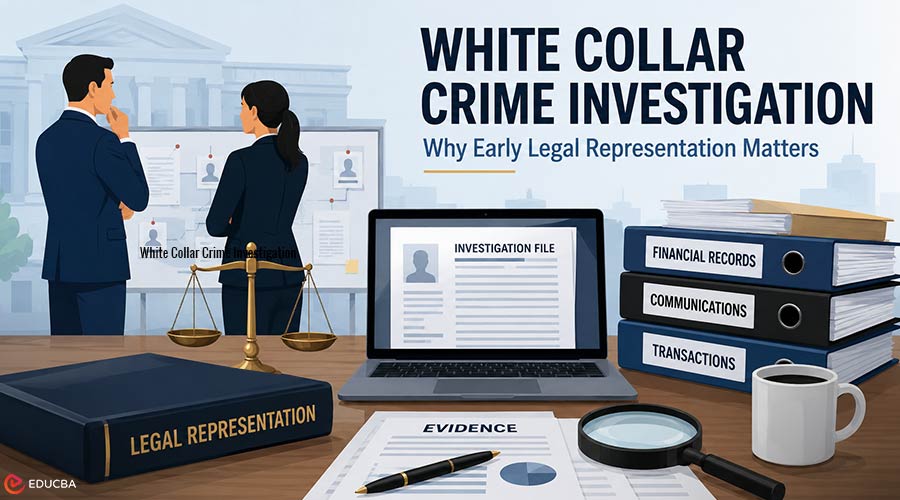
White collar crime investigations often begin long before anyone is formally charged with a crime. In many situations, individuals may not even realize they are under investigation until they receive a subpoena, a document request, or contact from federal agents or regulatory authorities. By the time those events occur, however, investigators may already have spent months building a case. This is one reason early legal representation is so important in white collar matters.
Decisions made during the early stages of an investigation can have a major impact on the course of the case, the evidence gathered, and the potential for future criminal charges. Many people make the mistake of assuming they only need a lawyer after an arrest or indictment. In reality, obtaining experienced legal counsel early is often one of the most important steps a person can take to protect themselves during a white collar investigation.
White Collar Crime Investigations Often Move Quietly at First
Unlike many traditional criminal cases, white collar investigations are frequently slow-moving and document-heavy. Federal agencies, prosecutors, and regulatory investigators may spend extensive time reviewing financial records, emails, business transactions, communications, and internal company documents before ever contacting the target directly. Because of this, a person may already be under significant scrutiny before realizing an investigation exists at all.
Once investigators begin reaching out, the situation has usually progressed well beyond a preliminary stage. Early legal representation helps individuals understand the seriousness of the matter quickly and respond strategically rather than emotionally or impulsively.
Early Mistakes Can Be Extremely Damaging
One of the biggest dangers in white collar crime investigations is that people often try to “explain things away” before fully understanding the legal risks involved. Individuals may voluntarily speak with investigators, produce documents casually, or make statements they believe are harmless without realizing how those statements could later be interpreted. In white collar cases, even seemingly minor inconsistencies or inaccurate statements can create significant problems.
Federal investigators often focus heavily on documentation, timelines, and communications, and they may compare statements against extensive records already in their possession. In some situations, inaccurate or misleading statements made during an investigation can even lead to separate criminal exposure independent of the underlying allegations. Early legal counsel helps prevent these kinds of avoidable mistakes.
Lawyers Help Control Communication With Investigators
Once legal representation is involved, communication with investigators typically becomes more structured and carefully managed. An experienced white collar defense attorney can evaluate requests for interviews, subpoenas, or document production and advise the client on how to respond appropriately. This helps ensure that responses are legally compliant while also protecting the client’s rights and strategic interests.
Importantly, legal counsel also helps determine when cooperation may be beneficial and when remaining silent may be the safer course. Without representation, individuals sometimes underestimate how carefully investigators analyze every interaction and statement during the process.
Document Preservation and Review Become Critical
White collar investigations frequently revolve around documents and electronic records. Emails, financial statements, accounting records, contracts, text messages, internal memos, and transaction histories may all become central pieces of evidence.
Improper handling of these materials can create enormous legal problems. An attorney helps preserve relevant records properly and review them strategically before production. This is critical because mishandling or destroying evidence during an investigation can lead to obstruction claims or added criminal liability.
Attorneys Can Identify Exposure Early
White collar cases are often legally complex. Conduct that initially appears administrative or civil in nature may carry criminal implications depending on the facts and applicable statutes. An experienced defense attorney can evaluate potential areas of exposure early and identify legal issues that the client may not recognize on their own.
This includes analyzing regulatory concerns, financial transactions, reporting obligations, compliance issues, and communication patterns that investigators may view as significant. Early case assessment helps the defense build strategy before prosecutors fully shape their narrative. In some cases, early proactive legal action may reduce the chances of formal charges later.
Negotiation Opportunities Often Exist Early
White collar investigations do not always lead directly to indictment or trial. In some cases, attorneys can engage with prosecutors early in the process to clarify misunderstandings, present mitigating information, or negotiate resolutions before charges are filed.
Early intervention may create opportunities to narrow investigative focus, resolve certain issues civilly, or demonstrate cooperation in ways that improve the client’s overall position. These opportunities are much harder to pursue effectively once formal charges are already pending.
Final Thoughts
White collar crime investigations are often complex, document-intensive, and highly strategic long before formal criminal charges are filed. But early, meaningful legal representation helps individuals avoid costly mistakes, manage communications carefully, preserve important evidence properly, and develop a defense strategy before the investigation progresses further.
Recommended Articles
We hope this guide on navigating a white collar crime investigation helps you understand the importance of early legal representation. Explore these recommended articles for more legal insights and defense strategies.


