

Updated January 13, 2023
Harmful Water Bodies
The contamination of water bodies by chemicals, bacteria, viruses, plastics, and other harmful pollutants causes water pollution. These substances alter the nature of water, meaning they make it unusable. Using polluted water causes hazardous diseases in humans and other organisms. Below are a few effects and a few tips to reduce water pollution.
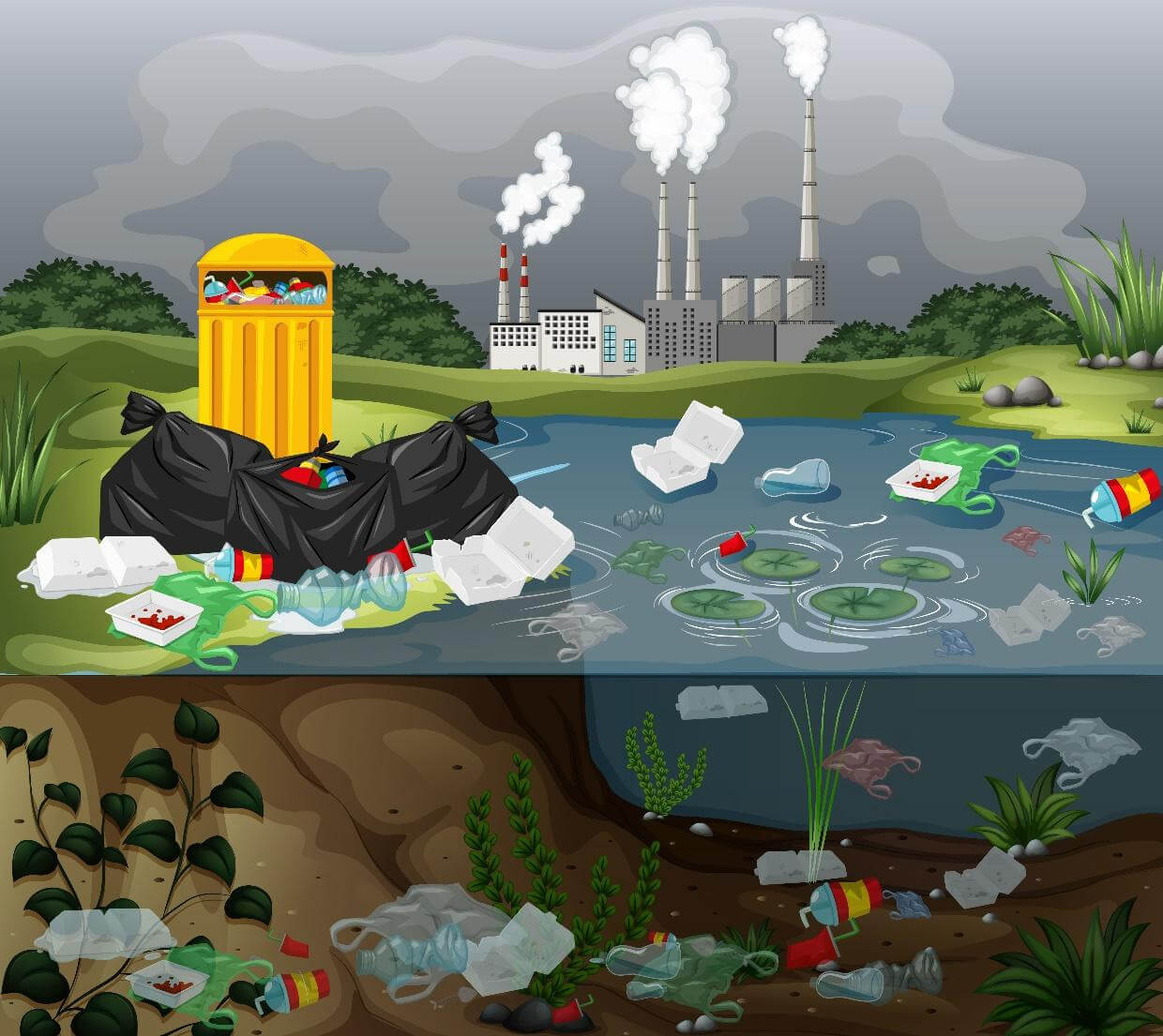
Effects of Water Pollution
Low-quality water affects the environment, the health of humans and other organisms, and the global economy. Here are a few more dangerous effects.
1. Destroys Aquatic Life
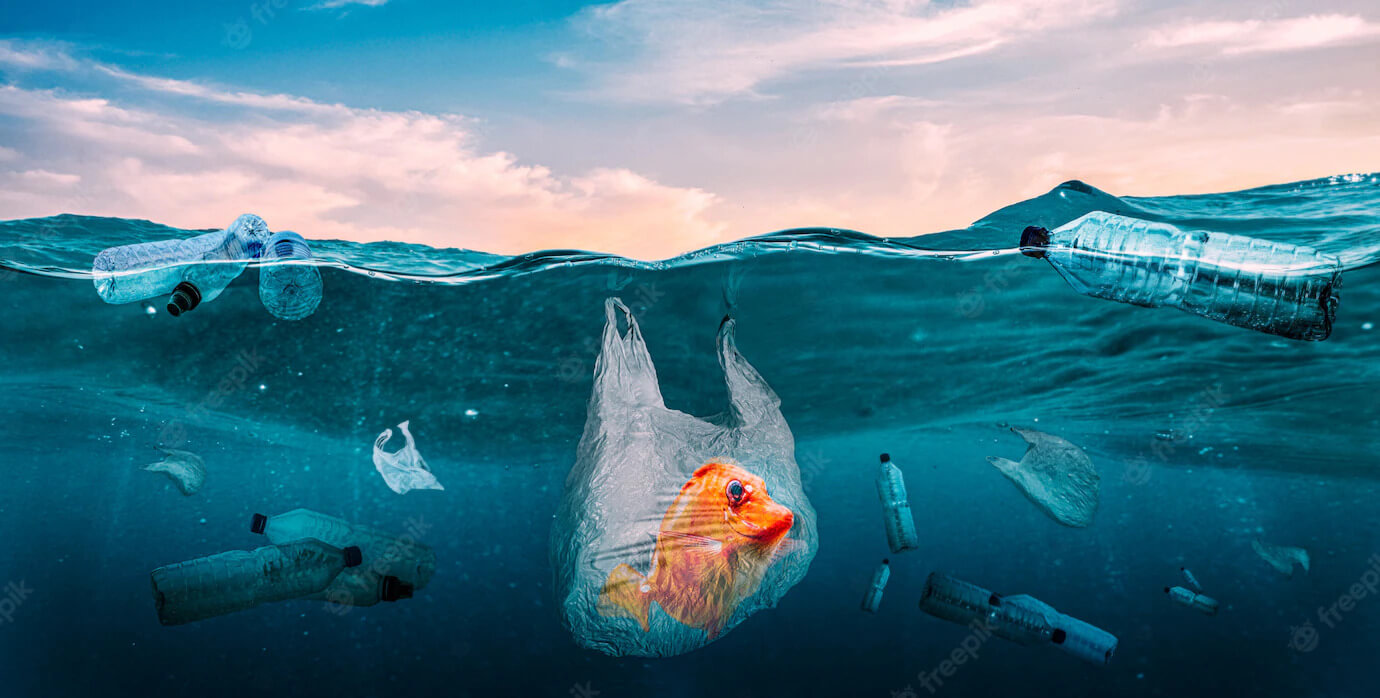
Harmful wastes like chemicals from industries, household wastes, or medical wastes deteriorate the quality of water, resulting in the death of aquatic life.
2. Harmful to Humans

Water is a significant source of survival for humans. However, harmful pollutants lower the quality of drinking water. They cause diarrhea, dysentery, cholera, hepatitis A, polio, and typhoid. In some cases, drinking polluted water may even cause the death of individuals.
3. Damage to Natural Habitats
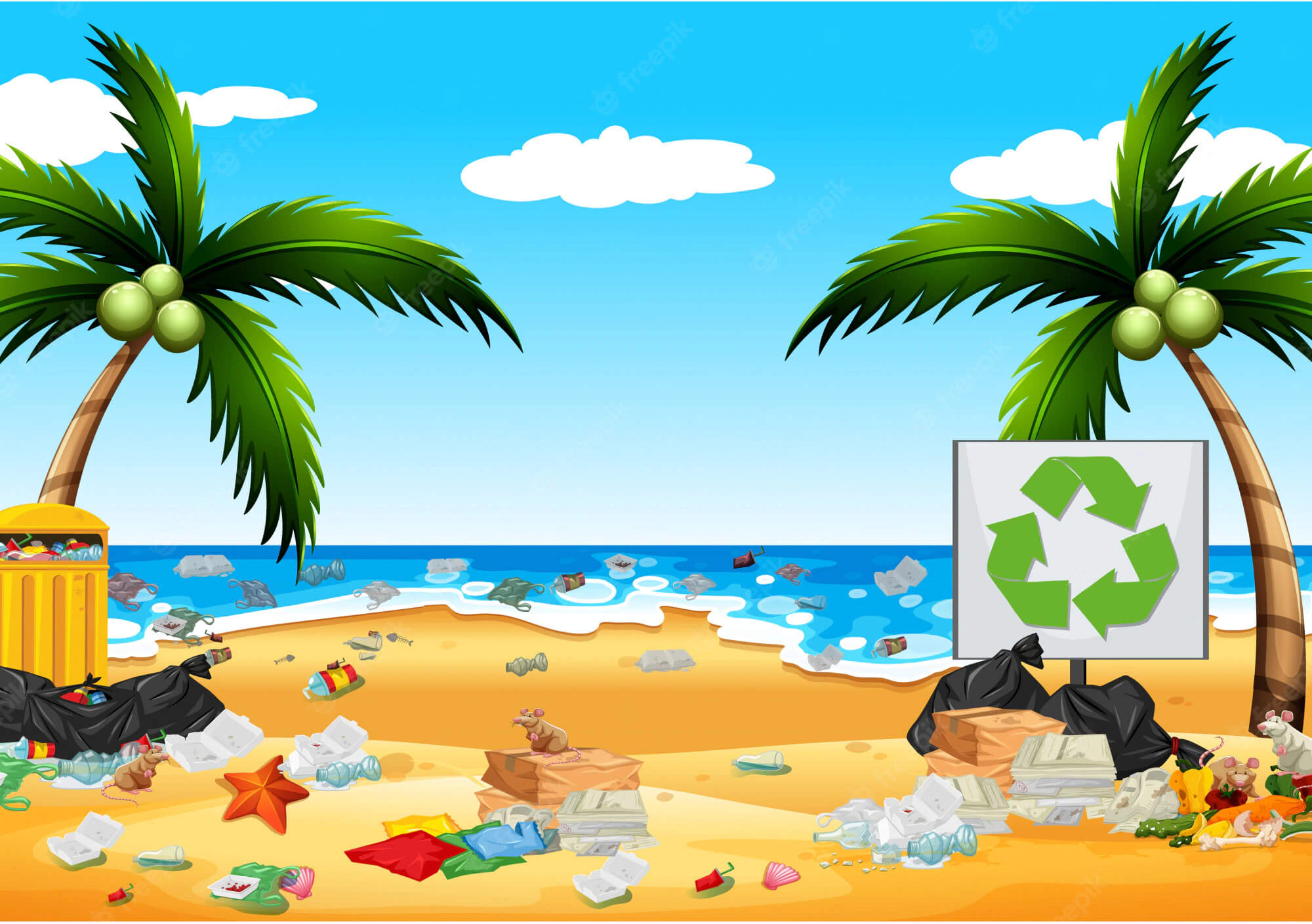
It can also negatively impact natural habitats like wetlands and estuaries. These are vital to the health of many species. Pollution can damage these habitats and make them less able to support plant and animal life.
4. Increased Greenhouse Gas Emissions
It also contributes to climate change, as the decomposition of organic matter in polluted water can produce greenhouse gases, such as carbon dioxide and methane. It can contribute to global warming and the overall warming of the planet.
5. Affects Economy
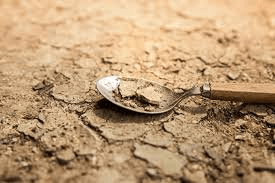
Many industries, like tourism and agriculture, rely on clean water. Polluted water can have huge consequences on these industries. Each year $260 billion is lost due to the unavailability of basic water and sanitation.
Tips to Reduce
There are many proven ways to reduce water pollution. Choosing a mode of life that is less materialistic and ancient can be the starting step to reducing water pollution. Here are some more ways to reduce.
1. Conserve Water
One of the highly effective ways to reduce is to use water efficiently. Fixing leaks, using drought-resistant plants in landscaping, and taking shorter showers, can all help to reduce water usage. Thus, efficient usage of water results in a lower amount of water wastage.
2. Properly Dispose of Household Chemicals
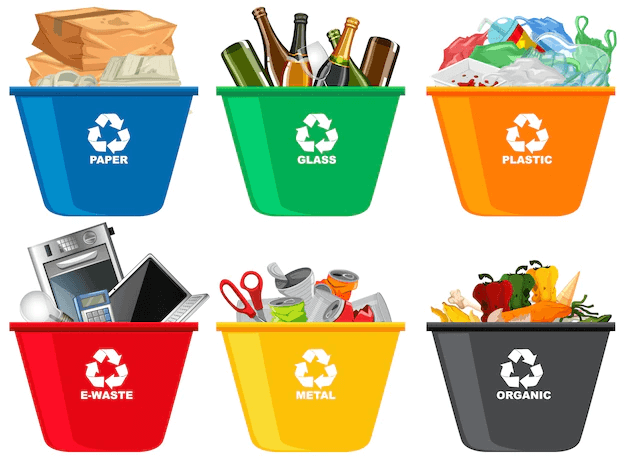
Many household products, such as cleaning agents and pesticides, contain harmful chemicals that can pollute water. It’s essential to follow the instructions on the labels of these products and dispose of them in a way that will stop them from entering the water supply. It reduces the risk of water pollution.
3. Support Environment-friendly Farming Practices
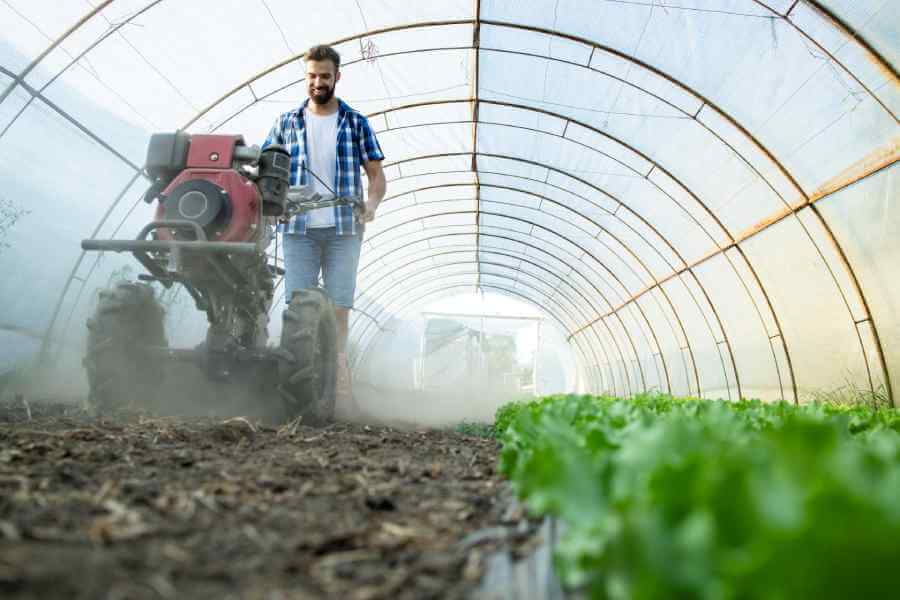
Agricultural activities, such as using fertilizers and pesticides, can contribute to water pollution. Supporting farmers who use sustainable farming practices help in reducing the supply of pollutants in the water.
4. Reduce Plastic Usage
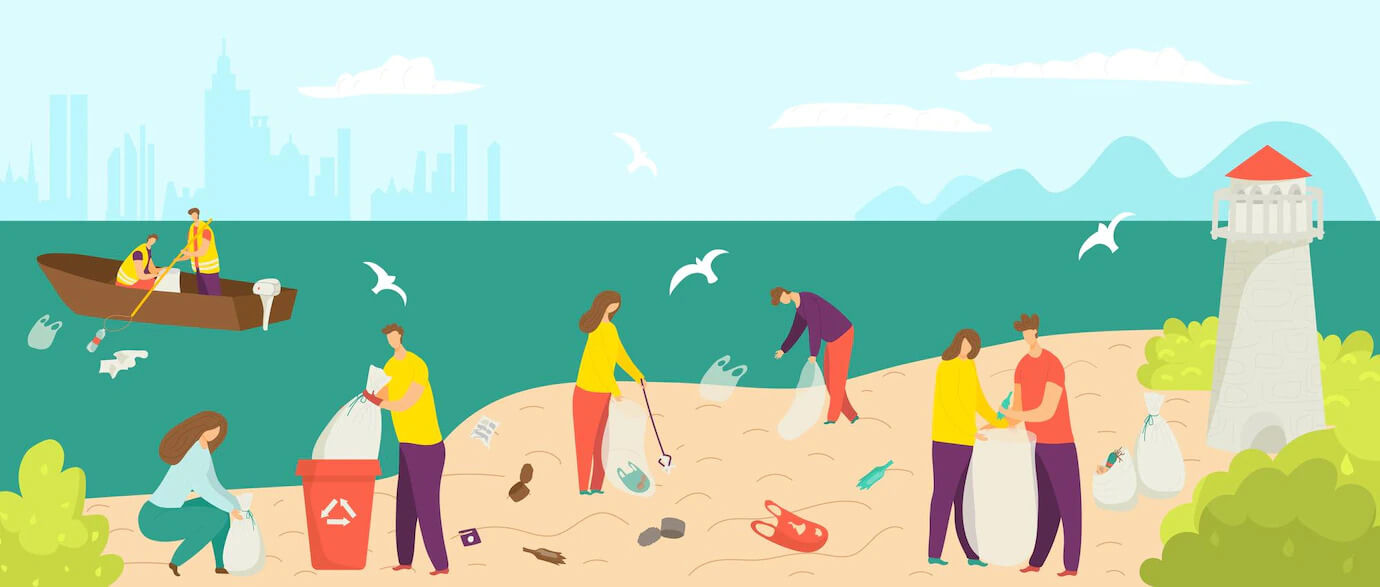
Plastic is a significant contributor to water pollution, as it can break down into smaller pieces and enter the water supply. Reducing your use of plastic products, such as single-use plastic bottles and bags, can help reduce the amount of plastic pollution in the water.
5. Support Water Treatment Facilities
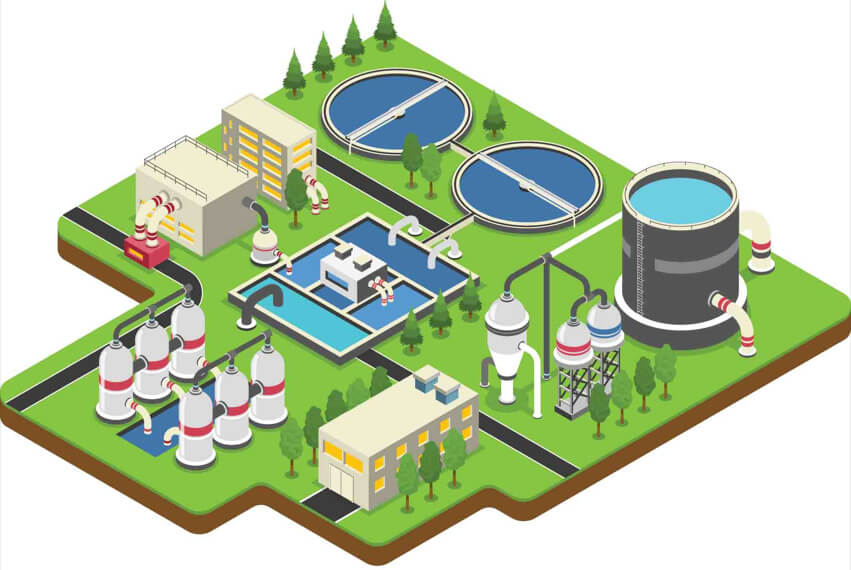
Properly functioning water treatment facilities are essential for reducing water pollution. Supporting efforts to upgrade and maintain these facilities can ensure that the water supply is clean and safe for everyone. In conclusion, it is a serious issue affecting the health of humans, animals, and the environment.
By taking steps to prevent and reduce water pollution, we can protect the quality of our water and ensure a healthy and sustainable future for us and the coming generation.

