


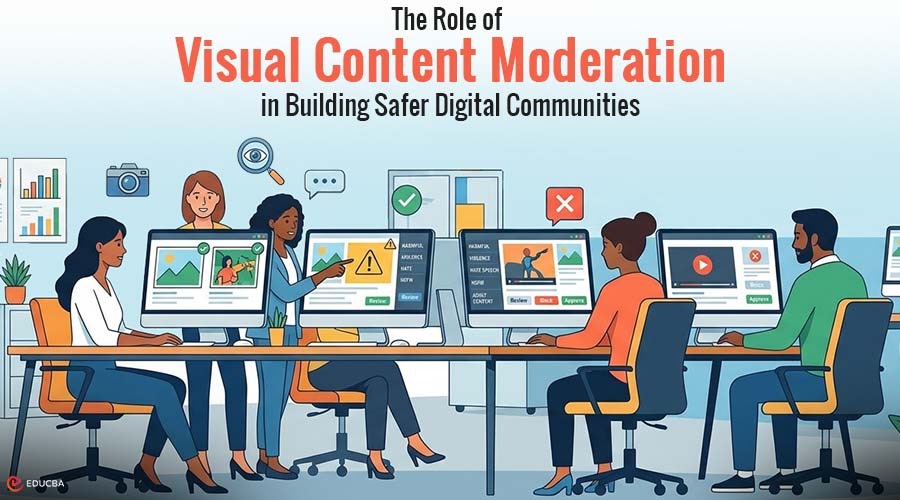
The internet thrives on pictures. Photos, drawings, memes, and short clips travel faster than text and leave a stronger impression. This visual flow helps people connect, learn, and share stories. It also brings risk. Harmful or offensive images can spread just as fast, reaching people who never asked to see them. This article looks at how platforms manage visual content moderation at scale. It explains what image moderation is, why it matters, and how it works in practice. You will also see real examples, common challenges, and where the field is heading.
Why Visual Content Moderation Matters?
In the early days of the web, images loaded slowly and appeared less often. That changed with smartphones and social platforms. Today, billions of images move online every day. According to a 2023 report from DataReportal, users upload more than three billion images daily across major social networks. Not every image causes trouble. Still, some show violence, sexual abuse, hate symbols, or dangerous acts. Others break platform rules or local laws. Without oversight, these images can harm users, damage trust, and lead to legal trouble for site owners.
Visual oversight protects several groups at once:
- Children who might stumble upon adult material
- Users who do not want to see graphic scenes
- Brands that host user posts and ads
- Moderators who would face constant exposure without filters
What Does Image Moderation Mean?
Image moderation involves reviewing images to ensure they meet established guidelines. These rules often cover nudity, violence, drugs, self-harm, and hate imagery. Some platforms also restrict spam, misleading ads, or copyrighted material. The review can happen in three ways:
- Manual review: Trained staff look at images one by one.
- Automated review: Software scans images and flags risky ones.
- Hybrid review: Software flags images, then humans make final calls.
Each method has strengths and limits. Manual review brings human judgment. Automated tools work faster and handle scale. Hybrid models balance speed with accuracy.
How Visual Content Moderation Works?
Computers do not “see” images as people do. They read patterns, colors, shapes, and pixel relationships. Modern systems rely on computer vision and deep learning models trained on large datasets.
Here is a simplified flow:
| Step | Process |
| Image Upload | A user uploads an image |
| Initial Scan | AI scans for risky patterns |
| Risk Scoring | The system assigns a risk level |
| Decision | Content is approved, blocked, or sent for review |
Training data plays a big role. If the data lacks diversity, mistakes follow. A famous 2018 study from MIT showed facial analysis tools performed worse on darker skin tones. This finding pushed many teams to rethink training sets and testing methods.
The Human Side of Review
Even strong software misses context. A photo of a medical procedure may look graphic, but it serves an educational goal. A cultural symbol may seem offensive without background knowledge. Human reviewers fill these gaps. They follow clear guidelines and work in shifts. Many platforms now limit daily exposure and offer mental health support. This change came after reports from former moderators who described stress and trauma from long-term exposure. An expert from the Journal of Online Trust wrote, “Human review remains the backbone of safe platforms, even as tools grow smarter.”
Real-World Examples of Visual Content Moderation
- Social Communities: A large photo-sharing app once struggled with reports of explicit content. Users flagged posts faster than staff could review them. The platform added automated scanning to catch high-risk images within seconds. Human teams then reviewed edge cases. Report times dropped by half within three months.
- Marketplaces: Online marketplaces face a different issue. Sellers sometimes post banned items using coded images. One global marketplace used image checks to spot weapons and fake goods. This move helped the company meet trade rules and reduce fraud complaints.
- Education Platforms: Learning sites host student uploads. Without checks, prank images or harmful material can slip in. Several education networks now scan uploads before they appear in shared spaces. Teachers report fewer disruptions and safer class forums.
Common Challenges
Image moderation brings tough questions. Rules differ across cultures. What one group sees as art, another sees as offensive. Speed also matters. Users expect instant posting, not long waits.
Other challenges include:
- Context loss: A cropped image may hide meaning.
- False positives: Safe images get blocked by mistake.
- Evasion tactics: Bad actors alter images to dodge filters.
Balancing safety and expression remains a constant task.
Laws and Public Pressure
Governments now expect platforms to act. The European Union’s Digital Services Act and similar laws require companies to remove illegal content more quickly. Fines can reach millions. Public pressure also shapes policy. Advocacy groups track how platforms handle abusive images or extremist content. Reports from groups such as the Internet Watch Foundation often drive changes to review rules.
Where Hybrid Models Fit Best?
Pure automation struggles with nuance. Pure manual review struggles with scale. Hybrid systems handle most needs. Software filters the bulk, while humans handle gray areas. Many services follow this pattern. One example is image moderation used by social apps and forums that need both speed and care. A detailed overview of how such systems work appears in this discussion of image moderation, which explains the mix of tools and human checks used across industries.
Best Practices for Platforms
Platforms that succeed in visual content moderation often follow these best practices:
- Clear content rules written in plain language
- Visible reporting tools for users
- Regular training for reviewers
- Audits to spot bias or errors
Transparency reports also help. When companies share data on removed images and appeals, users gain trust.
Final Thoughts
Visual content will keep growing. New formats such as short video loops and live streams raise new issues. At the same time, tools will continue to improve at spotting risk early. The goal stays simple. People want spaces where creativity flows without fear. Strong image-review systems help build that balance by filtering out harm while leaving room for expression. Understanding visual content moderation helps both users and businesses navigate the digital world more responsibly. With the right systems in place, online spaces can remain open, expressive, and safe for everyone.
Recommended Articles
We hope this comprehensive guide to visual content moderation helps you better understand how online platforms maintain safety while supporting creativity. Check out these recommended articles for more insights and strategies to deepen your knowledge of digital content safety.


