
What is Time Blocking?
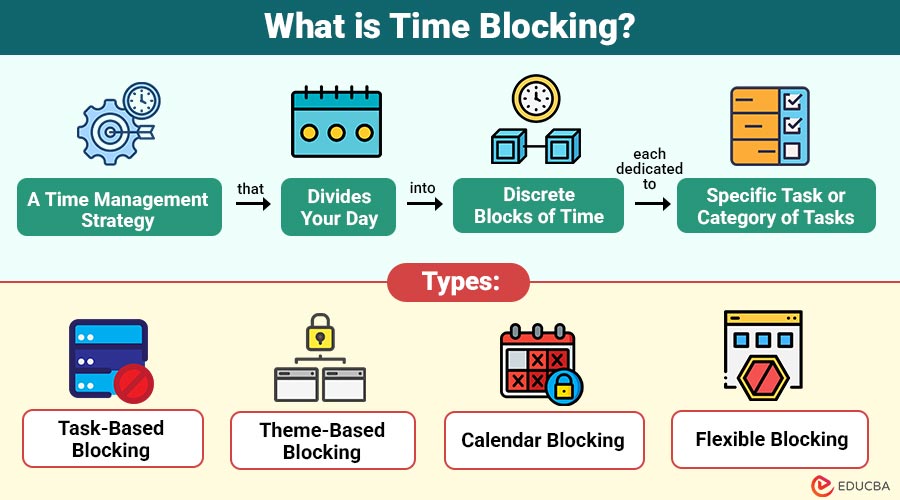
Time blocking is a time management strategy that divides your day into discrete blocks of time, each dedicated to specific task or category of tasks. Unlike traditional scheduling, which may only allocate general time for “work” or “meetings,” time blocking ensures that every task has a specific start and end time.
For example, instead of writing “working on project” on a to-do list, a time-blocked schedule would say:
- 9:00 AM – 10:30 AM: Working on Project A
- 10:30 AM – 11:00 AM: Responding to emails
- 11:00 AM – 12:00 PM: Team gathering
By providing you with a visual representation of your day, this method establishes a framework that helps you maintain focus and prevent wasting time on unimportant tasks.
Table of Contents:
- Meaning
- Key Principles
- Types
- How to Implement Time Blocking?
- Benefits
- Limitations
- Real-World Examples
- Tips
Key Takeaways:
- Time blocking structures your day by assigning dedicated periods to tasks, increasing focus and efficiency.
- Prioritizing high-impact tasks within time blocks ensures important goals are consistently addressed and completed effectively.
- Regular review and adjustment of scheduled blocks enable flexibility, thereby improving productivity and workflow management.
- Incorporating breaks and personal time within blocks helps maintain energy, reduce stress, and enhance work-life balance.
Key Principles of Time Blocking
To implement effectively, it is important to follow these core principles:
1. Prioritize Tasks
Establish distinct, uninterrupted time windows to complete the tasks that will have the greatest impact on your goals.
2. Limit Distractions
Focus solely on the assigned task during each time block by silencing your phone, turning off notifications, and avoiding distractions that encourage multitasking.
3. Include Breaks
Incorporate short, scheduled breaks between time blocks to refresh your mind and maintain productivity, such as using the Pomodoro Technique.
4. Be Realistic
Estimate the actual time required for each task and avoid overloading your schedule, ensuring your time blocks remain achievable and productive.
5. Review and Adjust
At the end of the day, evaluate the completed blocks, identify areas for improvement, and adjust future schedules to enhance productivity and time management consistently.
Types of Time Blocking
It can be adjusted to accommodate various work habits and individual needs. Here are a few well-liked types:
1. Task-Based Blocking
Assign specific tasks to fixed time periods to enhance focus, discipline, and consistency in daily productivity.
2. Theme-Based Blocking
Allocate blocks for task categories or themes, ensuring focused work on similar responsibilities together.
3. Calendar Blocking
Plan time blocks in digital calendars using reminders and visual cues to manage tasks efficiently.
4. Flexible Blocking
Create adaptable blocks that shift daily while maintaining structure to manage unpredictable schedules effectively.
How to Implement Time Blocking?
Here is step-by-step guide to start using time blocking:
Step 1: Audit Your Current Schedule
Track daily activities for several days, identify time-consuming tasks, and recognize areas of wasted time to improve scheduling efficiency.
Step 2: Prioritize Tasks
List all tasks, rank them by importance and urgency, and assign time blocks to high-priority activities first for maximum productivity.
Step 3: Create Time Blocks
Assign clear start and end times for tasks, including core work, meetings, administrative duties, breaks, and personal time, to maintain a structured approach.
Step 4: Use Tools
Utilize digital calendars, task management apps, or spreadsheets like Google Calendar, Notion, Trello, and Outlook to visualize and track time blocks.
Step 5: Stick to Your Schedule
Follow assigned time blocks strictly, avoid multitasking, and resist shifting tasks unless necessary to maintain focus and productivity.
Step 6: Review and Refine
At the end of the week, evaluate completed blocks, measure efficiency, adjust future schedules, and optimize time allocation to improve performance.
Benefits of Time Blocking
It offers several benefits and can significantly enhance productivity on both a personal and professional level.
1. Enhanced Focus
Dedicating uninterrupted, structured time blocks to each task minimizes distractions, allowing deeper concentration and higher-quality output for important work consistently.
2. Better Time Management
Provides a clear overview of your day, making it easier to balance work responsibilities, personal commitments, and leisure activities effectively.
3. Reduced Multitasking
By enforcing single-tasking within dedicated time blocks, it prevents multitasking, improves efficiency, and enhances the quality and speed of task completion.
4. Stress Reduction
Knowing exactly what to work on and when reduces uncertainty, alleviates anxiety, and helps maintain a calm, organized, and focused daily workflow.
5. Goal Achievement
Time blocks ensure alignment with priorities, giving critical projects sufficient attention and increasing the likelihood of consistently accomplishing important personal and professional goals.
6. Increased Accountability
Visible, structured time blocks make procrastination more noticeable, encouraging discipline, self-motivation, and adherence to daily schedules for better productivity outcomes.
Limitations of Time Blocking
Here are some common limitations associated with implementing time blocking effectively:
1. Can Feel Rigid for Unpredictable Schedules
Fixed time blocks may feel inflexible for jobs with unpredictable demands, requiring frequent adjustments to maintain productivity without frustration.
2. Requires Discipline and Self-Control
Demands strong discipline and focus, as deviating from scheduled blocks can disrupt workflow and reduce effectiveness.
3. May Lead to Stress if Over-Scheduled
Overloading your calendar with too many blocks can create stress, overwhelm, and reduced efficiency rather than enhancing productivity.
4. Needs Regular Review and Adjustment
Time blocks require continuous evaluation and refinement to adapt to changing priorities, tasks, and energy levels for optimal effectiveness.
Real-World Examples
Here are some practical examples across different professions and daily routines:
1. Entrepreneurs
Mornings are reserved for strategic planning and product development, afternoons for client meetings, and evenings dedicated to learning and personal growth.
2. Students
Schedule fixed blocks for lectures, assignments, revisions, and breaks to enhance focus, organization, and overall learning efficiency throughout the academic day.
3. Corporate Professionals
Allocate time blocks for focused work, emails, team collaboration, and reporting to reduce stress while improving productivity and workflow management effectively.
Tips for Successful Time Blocking
Here are some practical tips to help you implement effectively and boost your daily productivity.
1. Start Small
Begin with only a few essential time blocks each day, gradually increasing as you adapt, ensuring consistency and effective productivity growth.
2. Include Buffer Time
Incorporate flexible periods between scheduled blocks to accommodate unexpected interruptions, ensuring tasks remain on track without causing stress or disruption.
3. Batch Similar Tasks
Group similar activities together within dedicated blocks, reducing context-switching, improving focus, and completing related tasks more efficiently and effectively.
4. Protect High-Energy Hours
Schedule your most demanding or creative tasks during peak energy times to maximize output, efficiency, and quality of work performance throughout the day.
5. Visualize Your Day
Use visual aids, such as color-coding in calendars, to distinguish between work, personal, and leisure blocks, thereby enhancing clarity and organization.
Final Thoughts
Time blocking is a productivity philosophy that allocates specific time for each task, enhancing focus, reducing stress, and improving efficiency. With discipline and planning, it boosts goal achievement and work-life balance. Students, professionals, entrepreneurs, or freelancers can transform time management by starting small, staying consistent, and maximizing daily productivity effectively.
Frequently Asked Questions (FAQs)
Q1. Can time blocking work for flexible jobs?
Answer: Yes. Flexible blocking enables adjustments while maintaining the overall structure, ensuring that important tasks are prioritized.
Q2. How long should a time block be?
Answer: Time blocks typically range from 30 minutes to 2 hours. Use shorter blocks for focused tasks and longer blocks for deep work.
Q3. What if I don’t complete a task in its block?
Answer: Move unfinished tasks to the next available block or adjust your schedule. The key is consistent review and flexibility.
Q4. Is time blocking suitable for personal life, too?
Answer: Absolutely. You can block time for exercise, hobbies, family, and relaxation to ensure a balanced life.
Recommended Articles
We hope that this EDUCBA information on “Time Blocking” was beneficial to you. You can view EDUCBA’s recommended articles for more information.

