


Why Temporary Staffing Solutions Are Essential for Modern Businesses?
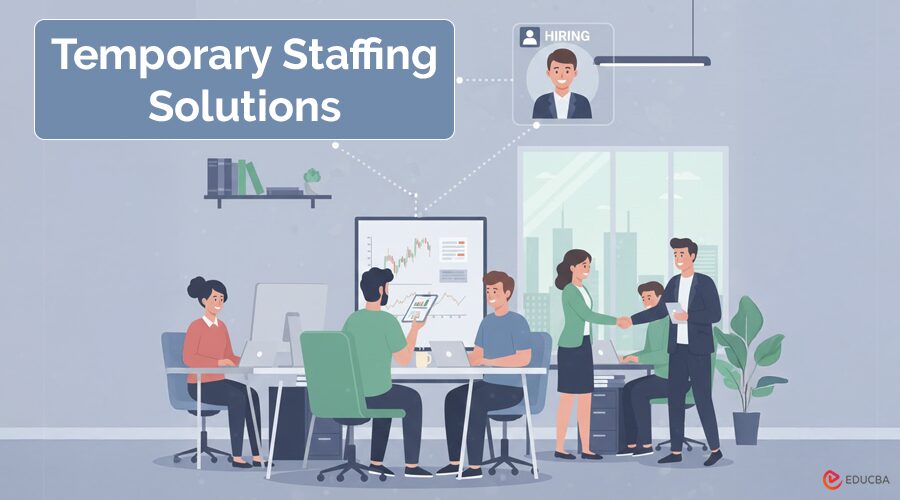
Temporary staffing solutions have become a critical part of modern workforce strategy, helping companies remain efficient, flexible, and competitive. Whether to address seasonal demand, fill skill gaps, or manage short-term projects, temporary staffing solutions offer businesses a practical, scalable workforce option across industries.
Understanding Temporary Staffing Solutions
Temporary staffing solutions refer to workforce arrangements in which employees are hired for a defined period rather than on a permanent, full-time basis. These assignments can last from a few weeks to several months, depending on business needs.
In most cases, staffing agencies manage recruitment, screening, payroll, compliance, and HR responsibilities. This allows companies to focus on operations while benefiting from a flexible talent pool.
Industries That Benefit From Temporary Staffing Solutions
Many sectors rely on temporary staffing solutions to maintain operational efficiency and manage changing workloads:
- Manufacturing & distribution: to cover peak seasons or unexpected demand
- Administrative & clerical: to support office functions during leaves or transitions
- Healthcare: to manage fluctuating patient loads and specialized assignments
- IT & technical: to tackle project-based work requiring niche skills
- Accounting & finance: to supplement teams during audits, tax seasons, or budget cycles.
This flexibility allows organizations to adapt quickly without long-term hiring commitments.
Advantages of Using Temporary Staffing Solutions
Businesses choose temporary staffing solutions for several strategic reasons:
1. Cost Control
Hiring full-time employees includes salaries, benefits, taxes, and overhead. Temporary services reduce expenses, as agencies typically handle payroll, workers’ compensation, and HR compliance.
2. Speed and Efficiency
Vacancies can cause slowdowns. Temporary staffing provides rapid placement, ensuring departments maintain productivity without lengthy hiring cycles.
3. Access to Skilled Talent
Temporary job seekers often include experienced professionals looking for project-based work, career transitions, or flexible schedules. These workers can bring specialized knowledge immediately.
4. Reduced Hiring Risk
“Try before you commit” models allow employers to evaluate workers before offering permanent employment, thereby reducing turnover risk.
5. Seasonal and Project-Based Flexibility
When workloads spike temporarily during busy seasons, product launches, or large projects, temporary labor helps companies avoid burnout and operational gaps.
Why Job Seekers Choose Temporary Staffing Solutions?
Temporary staffing solutions are equally valuable for job seekers, offering:
- Flexible schedules
- Exposure to multiple industries
- Opportunities to gain experience
- A path to full-time employment in some cases.
For many, temporary assignments function as stepping stones to career advancement.
When to Use Temporary Services?
Organizations often turn to temporary staffing solutions when:
- A key employee takes leave
- There is a surge in customer demand
- Special projects require additional expertise
- There are hiring freezes, but work still needs to be done
- Launching new products or expanding operations.
Temporary labor is particularly useful when future workload levels are uncertain.
Final Thoughts
In the fast-paced business environment, temporary staffing solutions enable organizations to adapt to changing workforce demands while managing talent efficiently. For employers, this results in stronger operational performance and reduced risk. For workers, it opens doors to new experiences and career opportunities. As workforce models continue to evolve, temporary staffing solutions will remain a vital driver of business growth and success.
Recommended Articles
Explore more insights on workforce management strategies, flexible hiring models, and talent optimization to help businesses adapt faster and operate efficiently. These articles break down modern staffing approaches and provide practical guidance for building a resilient, scalable workforce.

