


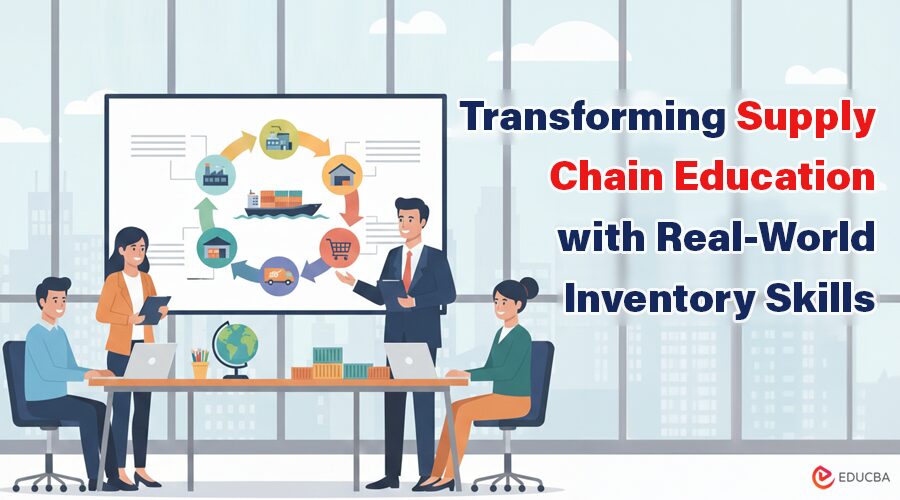
The Changing Focus of Supply Chain Education
Supply chain education has shifted from being largely theoretical to becoming far more practical and technology-driven. Students now learn how digital systems support everyday operations, not just how products move from suppliers to customers. Inventory software plays a central role in this change because it reflects how modern businesses manage stock, demand, and fulfilment in real time.
By introducing inventory platforms into learning environments, supply chain education becomes more closely aligned with the realities graduates will face in professional roles.
Teaching the Importance of Visibility
Visibility is one of the most important principles in the supply chain. Businesses track exactly which stock they have, where they store it, and how quickly it sells. Inventory software demonstrates this clearly by providing learners with real-time data.
Students begin to understand that accurate stock information is not just helpful, but essential for reducing errors, improving customer satisfaction, and maintaining operational efficiency.
Showing How Systems Connect Across Departments
Integration drives modern supply chains. Sales, purchasing, finance, and customer service all interact with and influence inventory. Using inventory software in supply chain education shows students how decisions in one area affect the entire business.
They learn that stock levels influence ordering schedules, cash flow, delivery times, and even brand reputation. This builds a more holistic understanding of how organizations function.
Developing Analytical Thinking
Inventory platforms generate detailed reports and performance data. These tools help students develop strong analytical skills by teaching them how to interpret trends, identify inefficiencies, and anticipate risks such as overstocking or shortages.
In modern supply chain education, learners are encouraged to use data to inform decisions rather than rely on guesswork, mirroring the expectations of contemporary employers.
Supporting Scenario-Based Learning
One of the most effective ways to teach supply chain resilience is through scenarios. Inventory software allows educators to simulate demand surges, supply delays, or unexpected disruptions.
Students in supply chain education programs can observe how stock systems respond, helping them understand how planning, flexibility, and fast decision-making protect businesses during periods of uncertainty.
Building Digital Confidence
Technology is now central to supply chain careers. Introducing students to inventory management software helps them become comfortable using platforms that mirror real-world systems.
This experience reduces the gap between education and employment and gives graduates greater confidence as they enter digitally focused workplaces.
Highlighting Efficiency and Automation
Inventory software shows how automation improves accuracy and saves time. Tasks that would normally require manual updates become faster and more reliable.
Students learn why businesses invest in these systems and how technology supports scalability without increasing operational complexity.
Encouraging Collaboration
Multiple departments usually share stock systems. When students use inventory software, they see how consistent data improves communication and coordination among teams.
This reinforces the idea that supply chains depend on collaboration rather than isolated decision-making and strengthens the collaborative focus of modern supply chain education.
Connecting Theory with Real-World Practice
The most valuable role of inventory software in supply chain education is its ability to bridge the gap between theory and reality. Students see how working systems apply these concepts, making them tangible rather than abstract.
This practical exposure transforms learning into experience and prepares students for the operational challenges of modern supply chains.
Preparing Students for Future Careers
As supply chains become more complex and digitally advanced, education must continue to evolve. Inventory software is no longer an optional teaching tool but a core component of modern supply chain education.
It equips students with technical skills, analytical confidence, and real-world awareness, shaping professionals who are ready to contribute effectively from the moment they enter the industry.
Recommended Articles
We hope this guide to supply chain education helps you see how practical learning and technology prepare students for modern supply chain roles. Explore these recommended articles for insights on supply chain management, inventory systems, and career readiness.

