


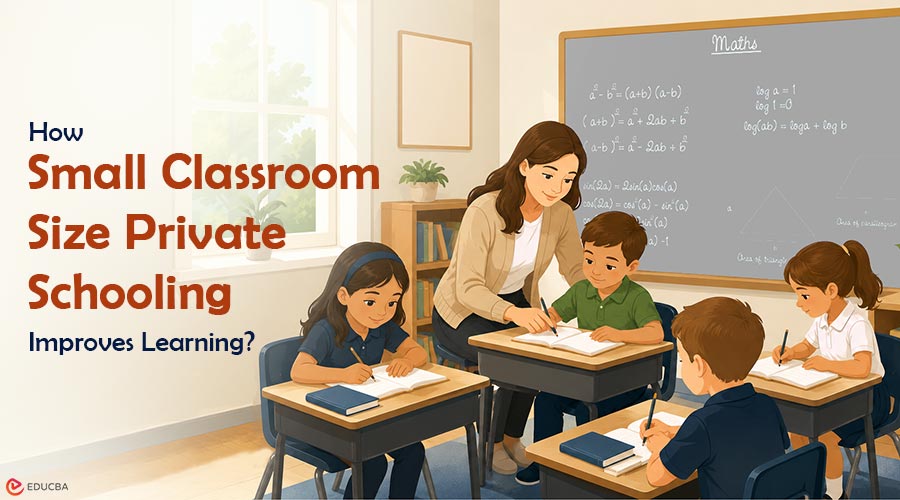
Walk into a typical public school classroom, and you might count twenty-five, thirty, or even thirty-five kids. Walk into a small private school, and the picture looks completely different. Ten students, maybe twelve, sometimes fifteen at the high end. The room feels different. The energy is different. The way teaching actually happens is different. Parents who have experienced both environments often say the gap is bigger than they expected, and once they see it up close, they have a hard time going back. So what exactly is a small classroom size private school, and why does it generate such loyal families?
Defining the Model
Small classroom size private schools are exactly what they sound like. Independent schools that intentionally cap class size well below what public schools and even many larger private schools allow. The cap is usually written into the school’s philosophy rather than left to chance. Some schools commit to no more than ten students per teacher. Others draw the line at twelve or fifteen. The number itself matters less than the commitment behind it. The school has decided that, beyond a certain size, the experience changes in ways they are unwilling to accept. These schools tend to be smaller overall as well. Total enrollment might be under a hundred students across all grades. Everyone knows everyone. Teachers know siblings, parents know each other, and the building itself feels more like a community than an institution.
Real Individual Attention
The most obvious benefit is also the most important. When a teacher has ten students instead of thirty, they can actually pay attention to each one. They notice when a child looks confused even before a hand is raised, correct spelling habits before they become ingrained, and recognize subtle social dynamics in the room before small issues grow into larger problems. Kids feel this attention even when they cannot articulate it. They show up knowing the teacher actually sees them. That feeling alone changes how they engage with learning, how willing they are to take risks, and how comfortable they are admitting when they do not understand something.
Pacing That Fits the Kid
Big classrooms have to move at the group’s pace. That means the kids who get it quickly end up bored, and the kids who need more time end up lost. Small classrooms can flex. A teacher with 10 students can spend an extra day on fractions if half the class is still shaky. They can hand a more advanced text to the kid who is ready for it. They can build the lesson around what the room actually needs that week, rather than marching through a curriculum calendar. This flexibility is most evident in subjects where understanding builds on itself. Math, reading, and writing all suffer when kids get pushed forward before they are ready. Small class settings make it possible to actually teach to mastery rather than to the schedule.
Stronger Relationships, Less Behavioral Trouble
Behavioral problems often stem from kids feeling invisible or misunderstood. In a room of thirty, even a good teacher can only do so much. In a room of ten, the relational foundation is just stronger. Kids feel known. Their teachers know what is going on at home, with friendships, and academically. Problems get addressed earlier and with more nuance. Discipline becomes less about controlling a crowd and more about helping a specific kid through a specific challenge. Parents notice this, too. Communication with teachers is more natural because teachers have the bandwidth to communicate. Parent-teacher conferences feel like real conversations rather than five-minute slots squeezed into a packed afternoon.
A Calmer, More Focused Environment
Pull all of this together, and you get a school environment that simply runs at a different temperature. Quieter hallways. More focused classrooms. Teachers who have not burned out. Kids who actually want to be there. The whole system has more breathing room. Small classroom size private schooling is not a magic fix for every kid or every family. Tuition is real, and not every child needs this kind of setting to thrive. But for the families who find the right fit, the difference shows up fast. Their kid stops feeling like a number and starts feeling like a student. That shift is what keeps these schools full and what keeps families recommending them to anyone who will listen.
Why Embrace Academy is a Great Fit?
Embrace Academy is a small classroom size private school located in Las Vegas, Nevada. Embrace Academy fully embraces the benefits of small classroom sizes and is able to offer its students (and parents) a better learning environment where kids can get more one-on-one attention, which helps with neurodiverse students. If you are considering moving to Las Vegas and are searching for private schools, be sure to schedule a tour of Embrace Academy.
Final Thoughts
Small classroom size private schools are built on a simple but powerful idea: students learn better when they are seen, supported, and understood as individuals. While they may not be the right fit for every family, they offer a meaningful alternative to traditional large classroom settings and for many students, that difference can be life-changing.
Recommended Articles
We hope this guide to small classroom size private schooling helps you better understand the benefits of personalized education. Check out these recommended articles for more insights on choosing the right learning environment for your child.


