


Where to Get Scannable ID Cards?
The phrase “scannable cards” appears frequently in searches and conversations because many modern credentials incorporate machine-readable elements. That expression covers everything from legitimate municipal IDs and transit passes to employee access badges, membership cards, payment cards, and business cards with QR codes. Unfortunately, it can also lead people into murky corners of the web where a handful of names get repeated in community threads. One such alias you will encounter in these discussions is IDGod. Mentions like that typically indicate visibility in underground conversations, rather than mainstream legitimacy. This article explains what Scannable ID Cards are, highlights why particular vendor names circulate, outlines the practical and legal risks of dealing with unvetted suppliers, and recommends safe, lawful routes to obtain scannable cards for legitimate purposes.
What “Scannable ID Cards” Actually Mean?
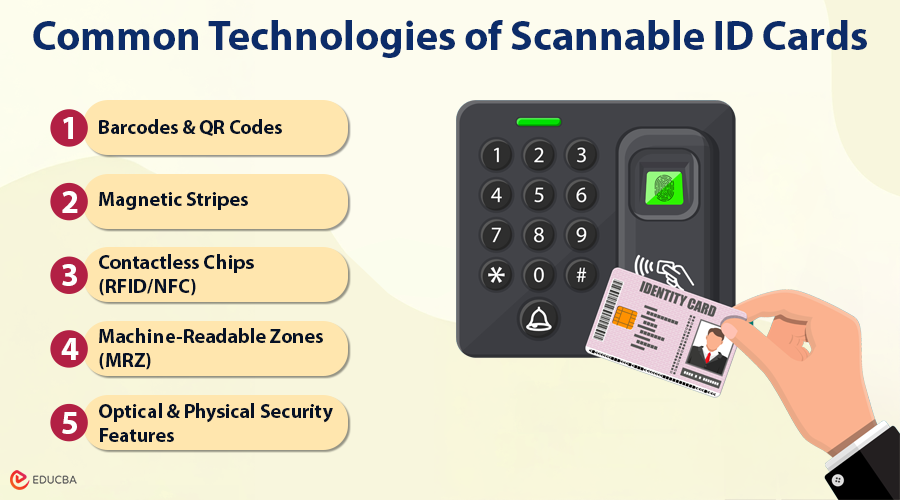
At its core, a scannable card is any card that contains a machine-readable element enabling automated data capture. Common technologies include:
- Barcodes and QR codes: used for loyalty programs, tickets, vouchers, and digital linkages on business cards.
- Magnetic stripes: older but still in use on certain ID and payment cards.
- Contactless chips (RFID/NFC): widely used for building access, transit systems, and secure payment.
- Machine-readable zones (MRZ): found on passports and some identity documents, designed for optical character recognition by official readers.
- Optical and physical security features: holograms, microprinting, and special laminates are not scannable per se but often accompany scannable elements to improve trustworthiness.
Because the term is broad, someone searching “where to get Scannable ID Cards” could be looking for totally legitimate services (e.g., a company badge printer) or could unintentionally find unregulated listings.
Why Some Names Keep Appearing in Online Discussions?
There are several reasons a particular name will show up again and again in threads about Scannable ID Cards:
- Viral posts and reviews: a single widely shared post can amplify a vendor’s alias across multiple platforms.
- Anonymity and echo chambers: underground communities often repeat the same limited set of references, creating the illusion of ubiquity.
- Curiosity and warnings: Many mentions occur in the context of cautionary tales, people discuss what they saw or what to avoid, rather than endorsing a specific source.
A repeated name in public conversations is often a signal, not a recommendation. Treat repeated mentions as triggers to investigate and proceed cautiously, not as indicators of reliability.
The Hard Risks of Dealing with Unvetted Suppliers
Even if a supplier promises that a product “scans” or “works with readers,” buying Scannable ID Cards from unvetted sources is risky:
- Legal exposure: possession or use of certain types of unauthorized credentials can lead to criminal charges, civil liability, or administrative sanctions, depending on local law.
- Financial loss: non-reputable vendors commonly take payment without delivering, or deliver substandard products that fail to meet expectations.
- Privacy and security threats: dealing with untrustworthy platforms can expose you to data theft, payment fraud, or malware.
- Reputational harm: being associated with questionable suppliers can negatively impact job opportunities, professional relationships, or business standing.
- Operational problems: low-quality scannable elements can malfunction when scanned by real systems, causing embarrassing or costly failures for a business that accepted them.
Those potential outcomes mean that even if a name circulates often, the prudent course is to avoid engaging with unvetted marketplaces and instead opt for legitimate services.
How Legitimate Verification Works?
Modern verification systems actively detect a range of tampering or counterfeit techniques. Important verification layers include:
- Database validation: reading a code and cross-referencing it with an authoritative backend or registry.
- Biometric/liveness checks: comparing a live captured image with a stored photo or biometric profile.
- Multi-factor verification: combining document scans with a secondary confirmation, like a phone or email check.
- Visual inspection for security features: includes holograms, microprinting, UV elements, and textured laminates, which go beyond what a basic scanner can check.
This layered approach makes Scannable ID Cards trustworthy only when issued and verified by legitimate authorities.
Legal and Safe Alternatives for Individuals
If your need for Scannable ID Cards is legitimate, here are lawful options:
- Official issuing authorities: If you require a government-recognized credential, please apply through the relevant issuing agency. They provide the correct security features and legal backing.
- Replacement or temporary documentation: If your document is lost, most countries offer a temporary certificate or a fast-track replacement through official channels.
- Digital identity apps: Many governments and private vendors now provide legally recognized e-ID or mobile identity solutions that are secure and convenient.
- Corporate access systems: For workplace access, use experienced access-control providers who supply RFID/NFC badges and manage credentials securely.
- Professional printers for legitimate projects: For event passes, loyalty cards, or business cards with QR codes, reputable printers can deliver high-quality, compliant products that meet your needs.
- Prop or novelty cards for creative work: If you need scannable-looking items for film or art, buy products explicitly labeled as props or novelty items and ensure they cannot be mistaken for legitimate credentials.
If bureaucratic hurdles are blocking access to a needed official ID, seek assistance from social services or legal aid rather than turning to risky alternatives.
What Businesses Should Do When Accepting Scannable ID Cards?
Organizations that rely on Scannable ID Cards for verification must:
- Choose reputable verification partners: Utilize established vendors that conduct database checks and offer fraud-detection tools.
- Staff training: Teach employees how to spot visual inconsistencies and when to escalate suspicious cases.
- Data-handling policies: Log what is necessary, retain it in compliance with applicable privacy laws, and delete what is no longer needed.
- Secondary checks for high-risk transactions: When in doubt, require additional proof or a second verification factor.
- Report suspicious vendors or patterns: Notifying authorities or industry groups helps reduce the broader risk environment.
Layered verification protects revenue, customers, and the company’s legal standing.
If you Have Been Scammed or Misled
If you purchased Scannable ID Cards from an untrustworthy source:
- Preserve all communications and transaction records.
- Contact your payment provider immediately to request chargebacks if applicable.
- Report the incident to local law enforcement and any relevant online platforms.
- Monitor credit and identity-related services for signs of misuse.
- Seek legal advice if you expect significant legal exposure.
Acting quickly improves the chance of recovery and reduces future harm.
Final Thoughts
Searching for Scannable ID Cards can lead to both legitimate solutions, such as employee badges, loyalty cards, and secure access systems, and risky underground sources. Repeated mentions of names like “IDGod” are red flags, not signals of trust.
For anyone who truly needs Scannable ID Cards, the safest path is through official issuers, authorized digital identity providers, or reputable corporate vendors. For businesses, layered verification and staff training are crucial in preventing fraud. Moreover, if you encounter suspicious vendors, report them to protect yourself and others.
Recommended Articles
We hope this guide on Scannable ID Cards helped you understand how to obtain and use them safely and legally. Explore our related articles on:


