
What is Sales Prospecting?
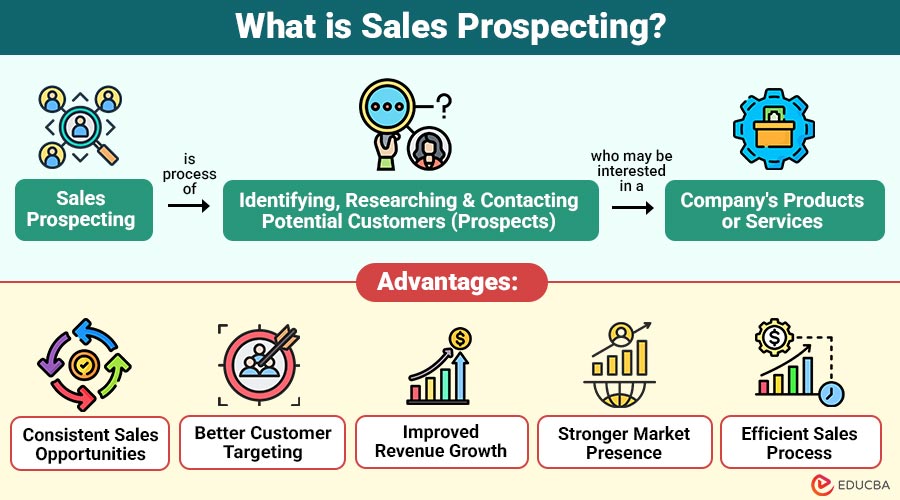
Sales Prospecting is process of identifying, researching, and contacting potential customers (prospects) who may be interested in a company’s products or services. The aim of prospecting is to generate new leads and convert them into paying customers.
Prospects are usually individuals or companies that match the business’s target audience, meaning they have the need, budget, and authority to make a purchase decision.
Table of Contents:
Key Takeaways:
- Sales prospecting helps businesses identify potential customers and maintain a strong sales pipeline.
- Consistent prospecting improves performance by focusing on qualified leads with higher conversion chances.
- Using structured steps and modern tools makes prospecting more efficient and result-oriented.
- Strong prospecting builds relationships with customers and supports long-term business growth success.
Why is Sales Prospecting Important?
Sales prospecting plays a important role in building a strong sales pipeline. Without consistent prospecting, sales teams may run out of potential customers.
1. Generates New Leads
Prospecting helps businesses regularly identify new potential customers who may be interested in their products, services, or business offerings.
2. Builds a Strong Sales Pipeline
Regular prospecting ensures sales teams always have enough potential opportunities, helping maintain a consistent flow of leads for future conversions.
3. Improves Sales Performance
When sales representatives contact qualified prospects, they increase the likelihood of successful conversions, resulting in better performance and higher revenue.
4. Supports Business Growth
A continuous flow of new customers through prospecting helps companies increase revenue, expand market reach, and achieve long-term business growth successfully.
5. Strengthens Customer Relationships
Prospecting allows businesses to build early connections with potential customers, which can develop into trust-based, long-term relationships that support future sales opportunities.
Types of Sales Prospecting
Businesses use different prospecting types depending on their industry, product, and target audience.
1. Cold Prospecting
The technique of reaching out to prospective clients who have never interacted with the company before in order to create fresh sales prospects is known as cold prospecting.
Examples:
- Cold emails
- Cold calls
- Direct messages on social media
2. Warm Prospecting
Warm prospecting is the process of contacting potential customers who already know the brand through prior interactions, increasing the likelihood of conversion.
Examples:
- Website visitors
- Social media followers
- Event attendees
3. Referral Prospecting
Referral prospecting is a method in which existing customers or partners recommend potential clients, building trust and increasing likelihood of successful sales conversions.
Examples:
- Existing customer recommending your service to a friend
- Business partner referring a client
- Client testimonials leading to new inquiries
4. Social Prospecting
Social prospecting is practice of using social media platforms to identify, connect, and build relationships with potential customers before promoting products or services.
Examples:
- Connecting with prospects on LinkedIn
- Sending messages to Instagram followers
- Responding to comments on Facebook posts
Steps in the Sales Prospecting Process
Sales prospecting is not random outreach. It follows a structured process to identify and connect with the right prospects.
Step 1: Define the Target Customer
Defining the target customer means identifying the ideal buyer based on industry, job role, company size, location, and specific business needs.
Businesses analyze factors such as the following:
- Industry
- Company size
- Job roles
- Location
- Customer needs
Step 2: Research Potential Prospects
Researching potential prospects involves collecting detailed information about individuals or companies that match the ideal customer profile using online sources and databases.
Research may include:
- Company websites
- Social media profiles
- Industry databases
- Online directories
Step 3: Create a Prospect List
Creating a prospect list means properly organizing collected information about potential customers, including names, contact details, job roles, and company-related information.
This list may include:
- Contact names
- Job titles
- Email addresses
- Phone numbers
- Company information
Step 4: Reach Out to Prospects
Reaching out to prospects involves contacting potential customers via email, phone, social media, or events to start conversations and understand their needs.
Common outreach methods include:
- Phone calls
- Social media messages
- Networking events
The goal is to start a conversation and understand the prospect’s needs.
Step 5: Qualify Prospects
Qualifying prospects means evaluating whether a potential customer has the budget, authority, need, and timeline required to purchase the offered product or service.
Qualifications may involve factors such as:
- Budget
- Authority
- Need
- Timeline
Qualified prospects move to the next stage of the sales process.
Sales Prospecting Methods
Businesses use several methods to identify and contact potential customers.
1. Email Prospecting
Email prospecting is a method of reaching potential customers through personalized emails that provide value, build interest, and encourage further communication with sales teams.
2. Networking
Networking is a prospecting method where professionals meet potential customers at events, conferences, or meetings to build relationships and discover new business opportunities.
3. Content Marketing
Content marketing is a prospecting method that attracts potential customers by sharing useful blogs, videos, or guides that solve problems and build interest.
4. Social Selling
Before making a sale, social selling is a prospecting strategy that makes use of social media platforms to establish connections with possible customers, distribute insightful material, and foster trust.
Tools Used in Sales Prospecting
Modern sales teams use various tools to make prospecting easier and more efficient.
1. Customer Relationship Management
Customer relationship management tools help sales teams store, organize, and manage prospect information; track interactions; and improve overall sales communication efficiency.
2. Email Automation Tools
Email automation tools help sales teams send personalized emails to multiple prospects, schedule follow-ups, and track responses to improve outreach effectiveness.
3. Lead Generation Tools
Lead generation tools help businesses find potential customers online by collecting contact details, company information, and buyer data across various digital channels.
4. Data Enrichment Tools
Data enrichment tools improve prospect information by automatically adding missing details such as phone numbers, job roles, company size, and updated contact information.
Advantages of Sales Prospecting
It offers many benefits for businesses and sales teams.
1. Consistent Sales Opportunities
Regular sales prospecting ensures a continuous flow of potential customers, helping businesses maintain stable sales performance and future growth opportunities.
2. Better Customer Targeting
Helps businesses identify the right audience, allowing sales teams to focus on customers most likely to purchase.
3. Improved Revenue Growth
Having more qualified prospects increases the chances of successful conversions, which directly contributes to higher revenue and business profitability over time.
4. Stronger Market Presence
Prospecting allows companies to reach new customers and industries, helping expand brand awareness and strengthen their position in the competitive market.
5. Efficient Sales Process
Working with qualified prospects saves time and effort, allowing sales teams to focus on productive conversations and high-value sales opportunities.
Challenges of Sales Prospecting
Although important, sales prospecting can also present several challenges.
1. Finding the Right Prospects
Identifying the right prospects can be difficult because not everyone needs the product, complicating targeting and qualification for sales teams.
2. Low Response Rates
Cold emails, calls, or messages often receive low response rates, making it challenging for sales teams to start conversations with potential customers consistently.
3. Time-Consuming Process
Requires research, personalization, and follow-ups, which takes significant time and effort before any actual sales conversation begins with prospects.
4. Rejection
Sales representatives frequently face rejection during prospecting, which can reduce confidence, affect motivation, and make the outreach process mentally challenging over time.
5. Data Quality Issues
Inaccurate or out-of-date contact details can result in unsuccessful outreach efforts, which lowers productivity and diminishes the effectiveness of the prospecting process for sales teams.
Real-World Example
Imagine a company that sells project management software.
The sales team identifies businesses that frequently manage complex projects, such as construction companies or marketing agencies.
Steps they follow:
- Research companies in these industries.
- Identify decision-makers such as project managers or operations managers.
- Send personalized emails explaining how the software improves project efficiency.
- Schedule product demonstrations for interested prospects.
Through this process, the company converts qualified prospects into customers.
Final Thoughts
Sales prospecting is a important part of the sales process that helps businesses find, connect with, and convert potential customers into paying clients. By using structured steps, effective methods, and modern tools, sales teams can build a strong pipeline of opportunities. Consistent prospecting improves revenue, strengthens relationships, and supports long-term business growth and market success.
Frequently Asked Questions (FAQs)
Q1. How long does sales prospecting take?
Answer: Sales prospecting is an ongoing process. Sales teams regularly search for new prospects to maintain a healthy pipeline.
Q2. What is the goal of sales prospecting?
Answer: The main goal is to identify potential customers and start conversations that can lead to sales opportunities.
Q3. Is sales prospecting only for B2B businesses?
Answer: No, both B2B and B2C businesses use prospecting to find new customers.
Q4. What skills are needed for sales prospecting?
Answer: Important skills include communication, research, relationship building, persistence, and problem-solving.
Recommended Articles
We hope that this EDUCBA information on “Sales Prospecting” was beneficial to you. You can view EDUCBA’s recommended articles for more information.

