


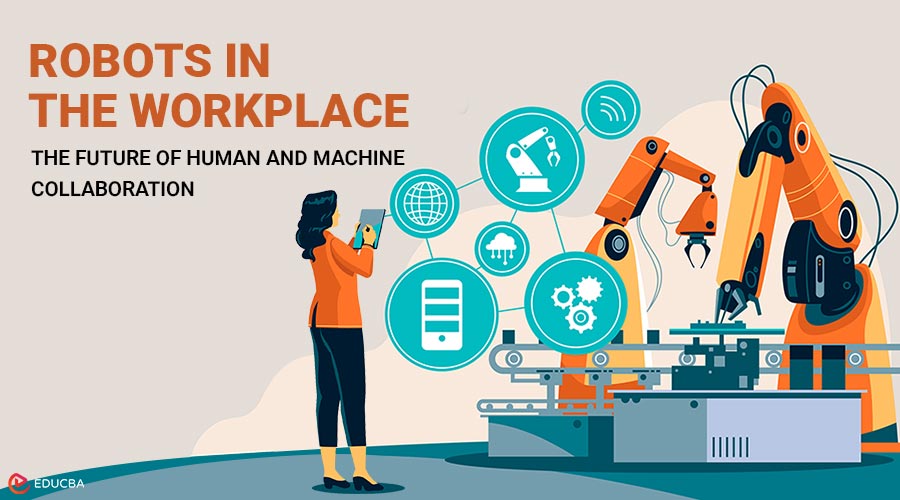
Robots in the Workplace: Overview
Robots used to only appear in sci-fi movies and high-tech labs. But in 2025, they are everywhere — packing boxes in warehouses, assisting doctors in hospitals, and even bringing you coffee at the office. In fact, robots in the workplace have become a normal part of daily operations in many industries. Automation is no longer slowly creeping into our lives; it is arriving in full force. Some see this as exciting progress, while others view it as a threat to jobs. The truth? Both are correct — and the changes are too significant to ignore.
Robots Becoming Everyday Co-Workers
Recently, there has been a huge increase in the number of robots working with people. Robots are no longer rare; they are necessary on everything from assembly lines to store shelves. “Cobots,” which stand for collaborative robots, are now common. They work safely alongside people, performing repetitive or challenging tasks.
There are more issues at hand than just big arms in workplaces. Digit and other humanoid robots are used in transportation centers to pick up, pack, and move goods. Cloud-powered robotics, on the other hand, lets small machines “think” by connecting to powerful AI processing over the internet. In short, robots become smarter, better connected, and can accomplish more every day.
Will Robots in the Workplace Take Our Jobs?
The big question everyone asks is: Will robots in the workplace replace humans? The answer is both yes and no.
- Yes: Routine, repetitive jobs such as assembly line work, basic data entry, and store restocking are at risk. Experts estimate that automation and other factors could eliminate tens of millions of jobs globally in the next decade.
- No: Automation also creates new roles like robot maintenance technicians, AI operations analysts, and workflow designers. The challenge is helping workers adapt to these new opportunities quickly enough.
Those who learn new skills can thrive in a robot-driven workplace.
Robots as Partners, Not Replacements
People often get it wrong when they think of robots only as alternatives. Robots are most useful when used to help people, not against them.
Imagine a hospital where robotic carts move around medicines and supplies. The nurses are still working, but they do not have to go down the hallway as often, which means they can focus more on caring for patients. Warehouses can utilize robots for heavy lifting, while RFID tracking automatically logs inventory movements. Meanwhile, personnel review the work and make informed decisions. Automation can eliminate the dull, dirty, and risky aspects of a job when planned and implemented carefully. This leaves us to do the more creative, human tasks.
Real-World Uses of Robots in the Workplace
AI vision systems allow robotic arms to quickly switch between employment opportunities, which reduces downtime and increases flexibility.
- Healthcare: Surgical robots assist doctors with precise tasks, enabling patients to recover more quickly.
- Retail: Self-service checkout kiosks and robots that scan shelves keep track of supplies.
- Warehousing: AGVs, AI inventory tracking, and robotic pickers speed up fulfillment and cut errors in warehouse management automation.
- Agriculture: Drones watch crops, robots pick fruit, and AI systems figure out when it is best to grow.
These are not “future visions” any longer; they happen daily in many fields.
What Abilities are Necessary for Your Future?
The skill sets people need to do well are changing as robots take on more everyday tasks. It is more important than ever to be creative, emotionally intelligent, able to solve complex problems, and flexible. It is still hard to automate jobs that require understanding, such as teaching, counseling, or caring for others. Do work that requires making hard and unpredictable choices. On the other hand, the most at-risk jobs require a lot of repeating and following rules. The clear instruction for workers is to keep learning. Getting better at tasks like data analysis, managing AI systems, or programming robots can help you get a better job or move up in your work.
Why Humans Still Matter?
Technology is just one part of the equation. In every system, people are still the most important (sometimes the weakest) part. Even if a robot never gets tired, those who create, oversee, and work with it can still make mistakes or miss risks. Because of this, companies that buy technology also need to invest in people. Therefore, people need regular training, must adapt to changing times, and should clearly explain how and why they use AI.
Global Impact of Robots in the Workplace
Automation is happening in very different ways in different parts of the world. Robots are filling in the gaps in labor and keeping businesses going in some countries, especially those whose populations are getting older. The change can be more disturbing in other places, especially those with lots of low-wage workers.
It is going to be very important for policies. Some governments are exploring “robot taxes” to mitigate the rate of job loss and fund training for workers. Others have invested a lot of funds into robotics to stay competitive on the international stage.
How to Prepare for the Future?
To get ready, people and companies can do a few things.
- Accept the concept of lifelong learning since the rate of change is amazing. Plan to learn as part of your job search.
- Think about working together instead of against each other. Find ways to use tools to improve what you do best.
- Stay open to new employment opportunities, industries, or working methods that might not have been available five years ago.
- Support laws and processes that ensure that as many people as possible benefit from automation and push for its ethical use.
Final Thoughts
The rise of robots in the workplace is still in its early stages. Technology will shape what comes next and the decisions we make about how to use and change these tools. History shows that every significant technological advancement, from the steam engine to the internet, has been followed by changes. There are changes in jobs, economies, and the development of new businesses. People who change quickly, keep an open mind, and see technology as companions rather than foes will win. Simply put, people will work with robots in the future, not humans or robots. But if everything goes well, that partnership could make work more useful and important.
Recommended Articles
We hope this comprehensive guide to robots in the workplace helps you understand how automation is transforming industries. Check out these recommended articles for more insights and strategies to prepare for the future of work.

