
What is Reputation Management?
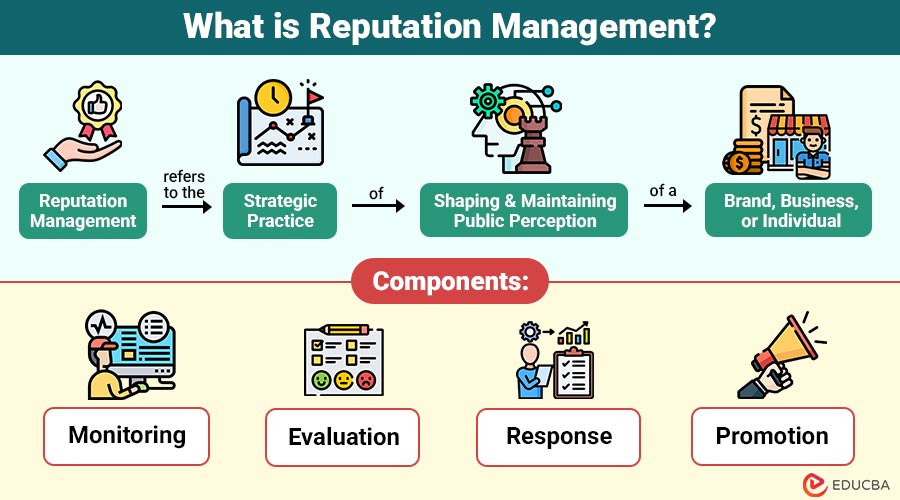
Reputation management (RM) refers to the strategic practice of shaping and maintaining public perception of a brand, business, or individual.
It involves actively monitoring and addressing feedback, reviews, and online mentions to ensure that the entity’s image remains favorable. Reputation management involves more than addressing negative feedback; it also focuses on actively boosting a brand’s visibility, credibility, and trust.
Table of Contents:
- Meaning
- Importance
- Components
- Strategies
- Tools
- Advantages
- Disadvantages
- Real-World Examples
- Best Practices
Key Takeaways:
- Reputation Management requires proactively monitoring online presence to strengthen brand trust, visibility, and customer loyalty.
- Promptly responding to feedback is essential in Reputation Management to maintain credibility and public confidence consistently.
- Leveraging tools, analytics, and social media engagement enhances Reputation Management, protecting and improving overall brand perception.
- Continuous effort, transparency, and promoting achievements are crucial for successful Reputation Management and sustaining a favorable image.
Why Reputation Management is Important?
Reputation is the cornerstone of a successful business. Here are the primary reasons why effective reputation management is essential:
1. Customer Trust
A strong and positive reputation instills confidence in customers, encouraging loyalty, repeat purchases, and long-term relationships with your brand.
2. Brand Value
A favorable public perception increases brand equity, attracting investors, partners, and enhancing credibility in competitive business environments and marketplaces.
3. Crisis Mitigation
Quickly addressing negative events or feedback helps prevent reputational damage from spreading, protecting brand image and maintaining public trust effectively.
4. Competitive
A solid reputation differentiates a business in crowded markets, making it more appealing to customers, partners, and stakeholders than competitors.
5. Online Presence
Customer reviews and social media activity significantly influence purchasing decisions, making reputation management crucial for maintaining online visibility and credibility.
Components of Reputation Management
Here are the essential key components that make reputation management effective:
1. Monitoring
Continuously track online mentions, reviews, and comments across multiple platforms to understand brand perception accurately.
2. Evaluation
Assess feedback and public sentiment carefully to measure their impact on overall brand reputation effectively.
3. Response
Address negative comments promptly, resolve complaints efficiently, and manage crises to protect brand credibility consistently.
4. Promotion
Highlight positive achievements, share success stories, and showcase testimonials to strengthen public perception and trust.
Strategies in Reputation Management
Successful reputation management requires a proactive, multi-pronged approach. Here are the key strategies:
1. Online Monitoring and Listening
Continuously track brand mentions on review sites, social media, and forums using monitoring tools for early detection.
2. Responding to Reviews and Feedback
Respond to reviews promptly and expertly, demonstrating your accountability, empathy, and appreciation for your clients.
3. Content Creation and Promotion
Publish blogs, press releases, and case studies to highlight achievements, testimonials, and success stories, enhancing brand authority.
4. Social Media Management
Regularly post and engage on social media, managing crises and interactions to maintain positive brand visibility and perception.
5. Search Engine Optimization
Optimize website content, blogs, and press releases so positive content ranks higher, pushing down negative search results effectively.
6. Crisis Management
Prepare a crisis management plan to respond quickly to scandals, product failures, or negative media coverage, mitigating reputation damage.
7. Employee Advocacy
Encourage employees to share positive experiences and achievements, acting as brand ambassadors to strengthen credibility and public perception.
Tools for Reputation Management
Several tools can streamline reputation management efforts:
1. Google Alerts
Google Alerts allows you to respond quickly to online discussions by scanning the web for mentions of your company, goods, or services.
2. Hootsuite
To keep a good online reputation, Hootsuite organizes posts, keeps track of engagement, and keeps an eye on consumer interactions across several social network profiles.
3. Reputology
Reputology specializes in tracking, analyzing, and responding to online reviews, helping businesses protect and improve their reputation efficiently.
4. Sprout Social
Sprout Social provides social media analytics, sentiment tracking, and engagement tools, allowing businesses to manage brand perception effectively.
5. SEMrush
SEMrush monitors search engine rankings, backlinks, mentions, and competitor activity, helping businesses safeguard their online reputation and visibility.
Advantages of Reputation Management
Here are the key advantages of effectively managing your reputation:
1. Strengthens Brand Credibility
A strong reputation enhances trust among customers, partners, and stakeholders, establishing your brand as reliable and professional.
2. Improves Customer Retention
Positive reputation fosters loyalty, encouraging repeat purchases and long-term relationships with your brand.
3. Attracts Business Opportunities
A favorable image increases the likelihood of partnerships, collaborations, and investor interest.
4. Mitigates Risks During Crises
Proactive monitoring and response reduce the impact of negative incidents on overall brand perception.
Disadvantages of Reputation Management
Here are some disadvantages businesses may face when managing their reputation:
1. Requires Continuous Effort
Maintaining a positive reputation demands ongoing monitoring, engagement, and content creation, which can be time-intensive.
2. No Absolute Protection
Even the best strategies cannot fully prevent negative reviews, misinformation, or unexpected crises from affecting public perception.
3. Resource-Intensive
High-quality reputation management often requires specialized tools, personnel, and budget, which may strain smaller businesses.
4. Delayed Results
Building or restoring a reputation is a gradual process; noticeable improvements may take weeks or months of consistent effort.
Real-World Examples
Here are some examples of companies successfully managing their reputation:
1. Starbucks
Starbucks is renowned for actively engaging with customers on social media, addressing complaints promptly, and promoting its sustainability initiatives. This approach has helped maintain a loyal customer base despite occasional controversies.
2. Johnson & Johnson
During the Tylenol crisis in 1982, Johnson & Johnson implemented immediate recalls and transparent communication. Their crisis management and transparent communication helped rebuild trust and set a benchmark for corporate reputation management.
3. Tesla
Tesla leverages social media, particularly Elon Musk’s presence on Twitter, to communicate directly with customers. While the approach is unconventional, it allows real-time engagement and brand storytelling, managing public perception effectively.
Best Practices for Effective Reputation Management
Here are some best practices to help you manage and enhance your reputation effectively:
1. Be Proactive
Keep an eye on and take control of your internet presence to stop bad reviews before they start.
2. Maintain Transparency
Acknowledge mistakes openly, provide clear solutions, and maintain honesty to effectively strengthen customer trust.
3. Encourage Feedback
Motivate customers to leave positive reviews, which enhances credibility and influences potential clients’ perceptions.
4. Engage Consistently
Interact regularly with your audience across various platforms to foster meaningful relationships and establish long-term trust.
5. Leverage Analytics
Use analytics tools to track sentiment, measure impact, and adjust reputation strategies accordingly for improvement.
Final Thoughts
Reputation management is no longer optional—it is a necessity in today’s interconnected digital world. A well-managed reputation builds trust, attracts customers, and strengthens overall business growth. By actively monitoring online mentions, engaging with audiences, promoting positive content, and addressing negative feedback transparently, businesses can ensure that their public image remains strong. Investing in reputation management today is not just about safeguarding the brand; it is about creating a sustainable, trustworthy, and credible identity that thrives long-term.
Frequently Asked Questions (FAQs)
Q1. What is the main goal of reputation management?
Answer: The main goal is to build and maintain a positive perception of a brand, ensuring trust and credibility.
Q2. How does social media impact reputation management?
Answer: Social media amplifies public opinion; it allows direct engagement but also requires monitoring and a quick response to negative feedback.
Q3. Can reputation management prevent crises completely?
Answer: While it cannot prevent all crises, proactive strategies can minimize impact and allow quicker recovery.
Q4: Is reputation management expensive for small businesses?
Answer: Tools and strategies can be scaled; small businesses can start with low-cost monitoring and engagement methods.
Recommended Articles
We hope that this EDUCBA information on “Reputation Management” was beneficial to you. You can view EDUCBA’s recommended articles for more information.


