


Introduction
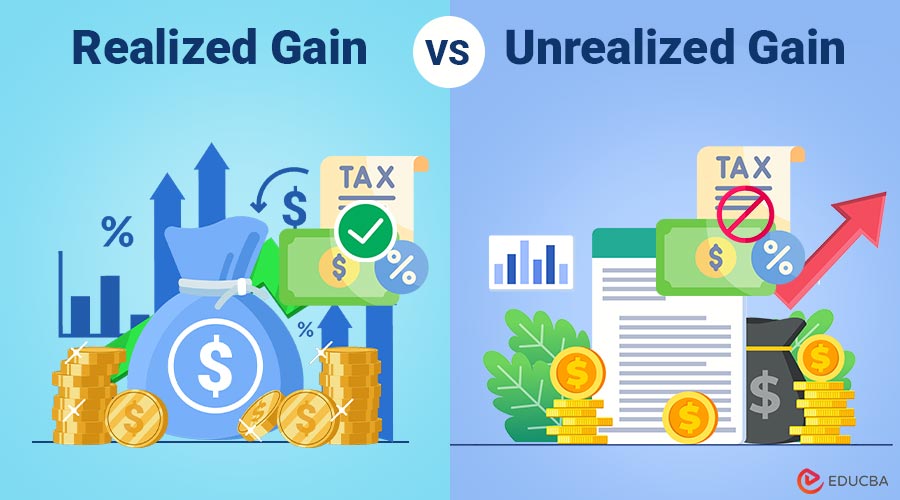
Understanding the concept of Realized vs Unrealized Gain is essential for every investor aiming to assess the true performance of their portfolio. A realized gain happens when an asset is sold for a profit, converting potential value into actual income, while an unrealized gain represents a paper profit that exists only as long as the asset is held. Differentiating between the two helps investors make smarter financial decisions, manage taxes efficiently, and plan future investments effectively. Whether in stocks, real estate, or cryptocurrencies, knowing the impact of realized and unrealized gains is key to accurate wealth evaluation.
Table of Contents:
- Introduction
- What Is a Realized Gain?
- When Does a Gain Become Realized?
- Example of Realized Gain
- What Is an Unrealized Gain?
- Why is it Called ‘Paper Profit’?
- Example of Unrealized Gain
- Key Differences
- Tax Implications and Financial Reporting
- Why Understanding These Gains Matters to Investors?
What Is a Realized Gain?
A realized gain is the profit an investor earns after selling an asset for more than its purchase price. It occurs when the transaction is completed, and the gain becomes actual rather than theoretical. In accounting, realized gains are recorded in the income statement and are subject to capital gains tax based on applicable regulations.
When Does a Gain Become Realized?
A gain becomes realized when an investor actually completes a transaction that converts a potential (unrealized) profit into an actual one. Here’s when it happens:
- Asset Sale: When you sell an asset like a stock, bond, or property for more than its purchase price, the profit earned is considered a realized gain.
- Exchange or Disposal: If you exchange or dispose of an asset for something of higher value, it triggers the realization of a gain.
- Redemption or Maturity: Selling mutual fund units or holding bonds until maturity at a higher value also results in a realized gain.
- Business Transactions: In businesses, selling equipment or inventory above book value counts as a realized gain.
- Accounting Perspective: Companies record realized gains in the income statement and pay taxes on them.
In short, a gain becomes realized only when the asset leaves your ownership and the profit is locked in.
Example of Realized Gain
Here is an engaging breakdown of an example of a realized gain to help you understand it better:
- Initial Investment: Imagine you purchase 100 shares of a company at $50 per share, spending a total of $5,000.
- Price Appreciation: Over time, the share price rises to $80 per share, increasing your investment’s market value to $8,000.
- Selling the Asset: You decide to sell all 100 shares at this higher price. The sale brings in $8,000 in cash.
- Calculating the Gain: Subtract your purchase cost ($5,000) from your selling price ($8,000). Your realized gain is $3,000.
- Accounting and Taxation: This gain is now recorded in your income statement and may be taxed as a capital gain, depending on how long you owned the shares.
In essence, you have successfully converted your paper profit into real money—that is a realized gain.
What Is an Unrealized Gain?
An unrealized gain is the increase in an asset’s value that has not yet been sold or converted into cash. It represents a “paper profit” that exists only on paper until the asset is sold. In accounting, unrealized gains are shown in the balance sheet under equity but are not subject to taxation until realized.
Why is it Called ‘Paper Profit’?
An unrealized gain is often called a “paper profit” because the profit exists only on paper—it is not actual cash in hand. Here’s why:
- No Sale Has Occurred: The gain remains theoretical since you have not sold the asset yet. The value can still change anytime.
- Market Fluctuations: Stock, real estate, and other asset prices rise or fall daily, so you can not guarantee the profit until you sell.
- No Cash Flow: Unlike realized gains, paper profits do not generate any immediate income—you can not spend or reinvest them directly.
- Accounting Representation: Unrealized gains appear in financial statements as part of equity, showing potential value growth but not actual earnings.
- Possible Reversal: If market conditions decline, your paper profit can disappear.
In short, it is called a paper profit because the value increase exists only in records—not in your wallet.
Example of Unrealized Gain
Here is an engaging example of an unrealized gain to make the concept clearer:
- Initial Purchase: Suppose you buy 100 shares of a company at $40 per share, investing a total of $4,000.
- Market Price Increase: After several months, the market price increases to $60 per share, resulting in your investment being valued at $6,000.
- No Sale Yet: You have not sold the shares, so your $2,000 profit is only on paper — not actual cash.
- Value on Records: This $2,000 increase is shown as an unrealized gain in your portfolio or financial statement.
- Market Risk: If the share price drops again, your paper profit can vanish instantly.
In essence, your investment’s value has grown, but the profit is not “real” until you sell the shares. That is why it is called an unrealized gain—a potential reward waiting to be locked in.
Key Differences Between Realized vs Unrealized Gains
Here’s a clear and engaging overview of the key differences between realized vs unrealized gains:
| Aspect | Realized Gain | Unrealized Gain |
| Timing | Occurs after selling or disposing of an asset. | Exists while still holding the asset. |
| Nature of Profit | Actual profit received in cash or equivalent. | Potential profit that may change with market value. |
| Tax Impact | Subject to capital gains tax once realized. | Not taxable until the asset is sold. |
| Accounting Treatment | Recorded in the income statement as earned profit. | Shown in the balance sheet under equity or OCI. |
| Financial Control | The gain is secured and locked in. | The gain is uncertain and may fluctuate. |
| Cash Flow Effect | Increases liquidity and available funds. | Does not impact cash flow directly. |
Tax Implications and Financial Reporting
Here is a unique breakdown of tax implications and financial reporting for realized and unrealized gains:
- Taxable Events: Tax authorities impose taxes on realized gains because investors earn them through completed transactions like selling stocks, property, or other assets.
- Unrealized Gains Stay Untaxed: Since no sale occurs, unrealized gains are not taxable until they become realized through a transaction.
- Short-Term vs. Long-Term Tax: The holding period of an asset determines whether companies classify realized gains as short-term or long-term, thereby setting the applicable tax rate.
- Financial Statement Treatment: Realized gains appear in the income statement under profit and loss, affecting net income.
- Balance Sheet Impact: Companies show unrealized gains under shareholders’ equity or other comprehensive income (OCI) to reflect changes in asset value.
- Investor Insight: Proper classification ensures compliance with accounting standards (GAAP or IFRS) and helps investors assess real profitability versus paper growth.
Why Realized vs Unrealized Gains Matters for Investors?
It is important for every investor to understand the difference between realized and unrealized gains. Here is why it matters:
- Smarter Decision-Making: Investors use the timing of realized gains to decide when to sell or hold assets for maximum profit.
- Accurate Portfolio Evaluation: Unrealized gains show the current market value of your portfolio, helping track performance beyond just cash returns.
- Effective Tax Planning: Realized gains are taxable, while unrealized ones are not—understanding this helps investors plan tax-efficient strategies.
- Risk Management: Recognizing unrealized profits reminds investors that paper gains can vanish if markets turn volatile.
- Long-Term Strategy: Differentiating between the two helps in building a balanced investment approach focused on both short-term profits and long-term growth.
- Financial Reporting Clarity: A Clear understanding ensures accurate tracking of income and asset values in personal or business accounting.
Conclusion
Distinguishing between realized and unrealized gains helps investors make informed financial choices and manage taxes efficiently. Realized gains turn potential profit into actual earnings, while unrealized gains highlight future opportunities tied to market performance. Understanding both ensures accurate financial reporting, better portfolio evaluation, and smarter timing for asset sales. Ultimately, this knowledge empowers investors to balance immediate returns with long-term growth, leading to more strategic and confident investment decisions.
Frequently Asked Questions
1. Can unrealized gains turn into losses?
Answer:- Yes, if the asset’s market value drops before you sell, your unrealized gains can quickly become unrealized losses.
2. Do dividends count as realized gains?
Answer:- No, dividends are considered income, not realized gains, since they are separate from asset sales.
3. Can realized losses offset realized gains?
Answer:- Yes, investors can use realized losses to offset realized gains and reduce taxable income.
4. Are unrealized gains included in net worth?
Answer:- Yes, they contribute to your total net worth since they reflect the current market value of your holdings.
Recommended Articles
We hope this guide on Realized vs Unrealized Gain helped you understand investment profits. For more finance insights, explore these related articles below:


