


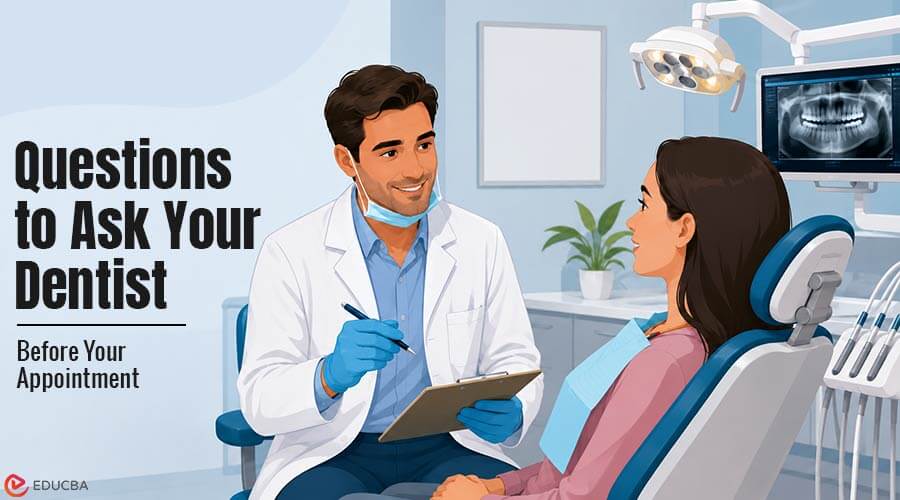
Most preparation for a dental visit involves brushing thoroughly and arriving on time. The more useful preparation happens earlier, in the few minutes it takes to work out what you actually want from the appointment and what you want to know before agreeing to anything. Knowing the questions to ask your dentist can help you make informed decisions, communicate your concerns clearly, and get the most from every visit.
Start With Your Own List
Practitioners work from what they can see. They cannot see that a particular tooth has felt strange for a month, that cold drinks have become uncomfortable, or that you have been chewing on one side without quite noticing why.
Writing these down beforehand takes two minutes and changes the quality of the examination considerably. Symptoms are easy to forget once you are reclined with instruments in your mouth, and they tend to surface again on the drive home when the opportunity has passed. Include anything that has changed, even if it seems unrelated. New medications, a shift in health, recent stress, or altered sleep all affect the mouth in ways that are worth knowing about.
Questions to Ask Your Dentist About Findings
When you identify an issue, ask a few questions instead of simply agreeing. Ask what the practitioner sees and how they reached that conclusion. Ask what could happen if you leave it untreated for six months. This helps you understand whether the issue needs immediate attention or regular monitoring.
Ask whether alternatives exist and how they differ. Most dental problems have more than one reasonable approach, and the differences usually involve cost, longevity, and how much natural tooth structure is preserved. That last point deserves more attention than it typically receives.
Questions About the Practice
A short conversation before booking reveals a lot. Ask how the practice handles emergencies outside normal hours, how quotes are provided, and whether treatment is staged or completed in one visit. None of these questions is awkward, and the answers say something about how the practice operates.
Anyone choosing a dentist South Yarra offers can also ask what a first appointment includes. Practices differ on whether an initial visit includes a full examination, imaging, and a written plan, or a briefer look with details to follow. Knowing in advance prevents mismatched expectations.
Questions Worth Asking Yourself
Some clarity is internal. Are you attending because something hurts, because a check is overdue, or because you want to address something cosmetic? Those are three different appointments, and saying which one you have in mind at the start focuses the whole visit.
It also helps to know your own tolerance. If previous appointments have been difficult, saying so directly allows a practitioner to adjust pace, explain more, and check in more often. Most people underestimate how much that single sentence changes the experience.
Why Preparation Changes the Outcome?
Preparing a list of questions to ask your dentist is one of the simplest ways to improve your dental visits. It is that they turn a passive appointment into a conversation between two people with different information.
You know how your mouth has felt and what you want. The practitioner knows what they can see and what the options are. Bringing both halves together produces better decisions than either half on its own, and the preparation required is genuinely minimal.
Recommended Articles
We hope this guide on the questions to ask your dentist helps you feel more confident and prepared for your next dental visit. Check out these recommended articles for more expert tips and insights to maintain excellent oral health and make informed dental care decisions.

