
What is a Purchase Requisition?
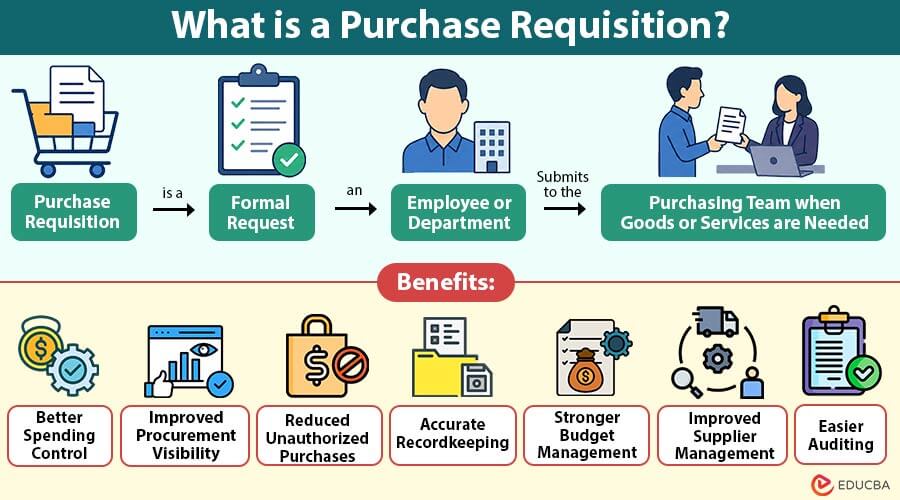
A purchase requisition is a formal request an employee or department submits to the purchasing team when goods or services are needed. It typically includes the requested items, quantities, estimated costs, required delivery date, supplier information, and business justification.
Unlike a purchase order, a purchase requisition does not usually create a contractual obligation with a supplier. Instead, it begins the internal purchasing process. Once the requisition receives the necessary approvals, the procurement department can use it to create a purchase order and proceed with the purchase.
For example, if a company’s IT department needs 20 laptops for new employees, the department may submit a purchase requisition specifying the laptop requirements, quantity, estimated budget, and expected delivery date. After approval, the procurement team can obtain quotations and place an order with an appropriate supplier.
Table of Contents:
Key Takeaways:
- Purchase requisitions help organizations control spending through proper review, authorization, and budget monitoring processes.
- They give procurement teams detailed information on required goods, services, quantities, costs, and timelines.
- Approved requisitions support supplier selection, purchase order creation, receiving, invoice verification, and accurate purchasing records.
- Accurate requisitions reduce procurement delays, unauthorized purchases, budgeting errors, and compliance risks.
Why is a Purchase Requisition Important?
Purchase requisitions provide organizations with a structured way to manage purchasing requests. Without a formal process, employees may make unauthorized purchases, exceed departmental budgets, or purchase unsuitable products.
A purchase requisition helps businesses:
1. Control and Monitor Organizational Spending
Purchase requisitions help businesses control spending by making sure purchases are checked, approved, and within the budget.
2. Obtain Approval Before Purchases are Made
3. Maintain Accurate Purchasing Records
Purchase requisitions create documented records of requested purchases, helping organizations track procurement activities, expenses, approvals, and purchasing decisions more accurately.
4. Verify that Purchases Support Business Requirements
They help procurement teams confirm that requested products or services are necessary and directly support organizational operations, projects, or objectives.
5. Improve Communication between Departments and Procurement Teams
Purchase requisitions provide clear information about requirements, quantities, specifications, and timelines, improving coordination between requesting departments and procurement teams.
6. Reduce Unauthorized or Unnecessary Purchases
A formal requisition process lets organizations review purchase needs in advance, preventing unnecessary orders and reducing unauthorized spending across departments.
Key Information in a Purchase Requisition
The exact format varies by organization, but most purchase requisitions include several important details.
1. Requester Information
This section identifies the employee or department making the purchase request. It may include the employee’s name, department, employee ID, and contact information.
2. Description of Goods or Services
3. Quantity Required
The requester specifies how many units are needed. For services, the requisition may describe the expected scope or duration.
4. Estimated Cost
An approximate cost helps the organization determine whether the purchase fits within the available budget and identify the appropriate approval level.
5. Required Delivery Date
The requester can provide the date by which the goods or services are required. This allows the procurement team to plan the purchasing process accordingly.
6. Department or Cost Center
The relevant department, project, or cost center is generally included so that the expense can be assigned correctly.
7. Business Justification
The requester may explain why the purchase is necessary. This is especially important for expensive, unusual, or non-routine purchases.
8. Approval Details
The requisition may contain approval fields for department managers, finance teams, procurement managers, or other authorized personnel.
How Does a Purchase Requisition Work?
The purchase requisition process generally follows a series of steps.
Step 1: Identify the Requirement
An employee or department determines that specific goods or services are required for business operations.
Step 2: Create the Requisition
The requester enters the necessary information into a procurement system or completes an approved requisition form.
Step 3: Submit for Approval
The requester submits the completed requisition to the appropriate manager or authorized approver. Approval requirements may depend on the purchase value and organizational policies.
Step 4: Review the Request
The approving authority reviews the request to determine whether the purchase is necessary, reasonable, and within the available budget.
Step 5: Procurement Review
After approval, the procurement department evaluates the requirement. Depending on company policy, procurement may request quotations, compare suppliers, negotiate prices, or check existing contracts.
Step 6: Create a Purchase Order
Once the purchase is authorized and a supplier is selected, procurement creates a purchase order containing the agreed purchasing terms.
Step 7: Receive Goods or Services
The supplier delivers the requested goods or performs the required services. The receiving department confirms the order was fulfilled correctly.
Step 8: Process the Invoice
The supplier submits an invoice, which the finance or accounts payable team verifies against the purchase order and receiving records before making payment.
Types of Purchase Requisitions
Organizations may use different types of purchase requisitions depending on their purchasing requirements.
1. Standard Purchase Requisition
Use a standard requisition for routine purchases of products or services needed for regular business activities.
2. Capital Purchase Requisition
Use this type for significant assets such as machinery, vehicles, equipment, or major technology infrastructure. Additional financial approval may be required.
3. Service Purchase Requisition
Submit a service requisition when an organization needs external services, such as consulting, maintenance, training, or professional support.
4. Emergency Purchase Requisition
Use an emergency requisition when goods or services are urgently needed to address an unexpected operational problem. Organizations may have special approval procedures for these purchases.
5. Recurring Purchase Requisition
Use this type for regularly required goods or services, such as office supplies, maintenance services, or other recurring operational needs.
Difference Between Purchase Requisition and Purchase Order
Although these documents are closely connected, they serve different purposes.
| Basis | Purchase Requisition | Purchase Order |
| Purpose | Requests internal approval for a purchase | Officially places an order with a supplier |
| Created by | Usually an employee or department | Usually the procurement team |
| External supplier | Generally not sent to the supplier | Sent to the supplier |
| Approval | Requires internal authorization | Created after the required approval |
| Legal commitment | Generally does not create a supplier contract | May create contractual obligations when accepted |
| Sequence | Usually comes first | Usually follows the approved requisition |
Benefits of Purchase Requisitions
The following are the key benefits of using purchase requisitions in an organization:
1. Better Spending Control
Purchase requisitions let organizations review spending before committing funds. Managers can check whether purchases are necessary and fit within departmental budgets.
2. Improved Procurement Visibility
A centralized requisition process lets procurement teams see upcoming purchasing needs and plan sourcing more effectively.
3. Reduced Unauthorized Purchases
Requiring approval before purchasing reduces the risk of employees buying products or services without following organizational policies.
4. Accurate Recordkeeping
Requisitions create documentation showing who requested an item, why it was needed, when it was requested, and who approved it.
5. Stronger Budget Management
6. Improved Supplier Management
With detailed requirements, procurement teams can compare suppliers more effectively and negotiate better pricing or purchasing terms.
7. Easier Auditing
A documented requisition process keeps a clear record of who requested and approved each purchase.
Example of a Purchase Requisition
Consider a company opening a new office that needs 15 office chairs. The administration department submits a purchase requisition containing the required quantity, chair specifications, estimated cost, department budget, and required delivery date.
The department manager reviews and approves request. The procurement team then obtains quotations from suppliers and selects an appropriate vendor based on factors such as price, quality, delivery time, and supplier reliability.
After selecting a supplier, procurement creates a purchase order for the 15 chairs. When the chairs arrive, the administration team verifies the delivery, and the finance department processes the supplier’s invoice according to company procedures.
This example shows how a purchase requisition provides an internal control point before the organization commits to a purchase.
Common Mistakes in Purchase Requisitions
Incomplete or inaccurate requisitions can delay procurement. Common mistakes include:
1. Providing Unclear Product or Service Descriptions
Vague descriptions can cause confusion, supplier misunderstandings, incorrect purchases, and delays during procurement review and approval processes.
2. Entering Incorrect Quantities
Incorrect quantities may result in insufficient supplies, excessive inventory, unnecessary spending, or additional procurement requests to meet actual requirements.
3. Omitting the Required Delivery Date
Missing delivery dates make it difficult for procurement teams to plan orders, coordinate suppliers, and meet operational deadlines.
4. Using an Incorrect Cost Center or Budget Code
Wrong coding can put expenses in the wrong place, cause accounting errors, delay approvals, and make it harder to track budgets and finances.
5. Providing Unrealistic Cost Estimates
Inaccurate estimates can create budget shortfalls, approval issues, unexpected expenses, and difficulties when evaluating supplier quotations during procurement.
6. Failing to Explain the Business Requirement
Without a clear justification, approvers may struggle to understand the purchase necessity, resulting in questions, delays, or rejection.
7. Selecting an Incorrect Approval Workflow
Choosing the wrong workflow can route requests to inappropriate approvers, causing processing delays, compliance issues, and unnecessary administrative work.
Final Thoughts
A purchase requisition is an internal procurement document used to request, review, and approve purchases before placing an order. It strengthens spending control, supports budgeting, reduces unauthorized purchases, and maintains purchasing records. Employees submit requests, managers approve them, and procurement selects suppliers before creating purchase orders, ensuring an efficient, controlled purchasing process.
Frequently Asked Questions (FAQs)
Q1. Who can submit a purchase requisition?
Answer: An authorized employee, team member, or department representative can submit a purchase requisition when a business-related purchasing need arises.
Q2. Can a purchase requisition be cancelled after submission?
Answer: Yes. Depending on the organization’s procedures, a requisition can usually be withdrawn or canceled before it progresses to an order.
Q3. What happens if a purchase requisition is rejected?
Answer: The requester may need to provide additional information, correct errors, revise the requirement, or resubmit the request for approval.
Q4. Is a purchase requisition required for every business purchase?
Answer: Not necessarily. Organizations may exempt certain low-value, recurring, or predefined purchases based on their internal procurement policies.
Recommended Articles
We hope that this EDUCBA information on “Purchase Requisition” was beneficial to you. You can view EDUCBA’s recommended articles for more information.


