


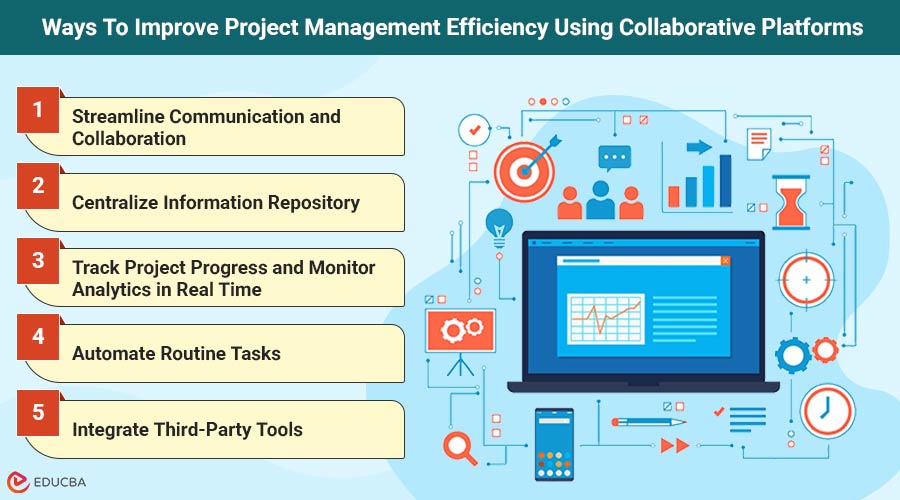
Improve Project Management Efficiency Using Collaborative Platforms
As a project manager, handling workflow tasks across various communication and document tools can be challenging. These tools can be costly, and updates and compatibility issues often lead to productivity hiccups. A centralized system manages all these in one place. It ensures that all employees are up to date with the latest tasks and deadlines. This article will explore the challenges in project management and how collaborative platforms like Coda can boost project management efficiency. Let us dive in.
Challenges in Project Management
Project managers need to keep up with a lot of tasks, such as:
- Coordinating remote teams across multiple time zones.
- They manage tight budget constraints and complete projects within the given budget.
- Unexpected delays when external factors disrupt the project plan (for example, when someone is out on sick leave).
- Identifying areas and providing solutions when the workflow is slow.
Effective communication is the hearthstone of successful collaboration and meeting project objectives. The 2023 State of Business Communication report found that 72% of business owners believe good communication among team members enhances productivity. 52% of employees say this helps improve their relationships with other team members.
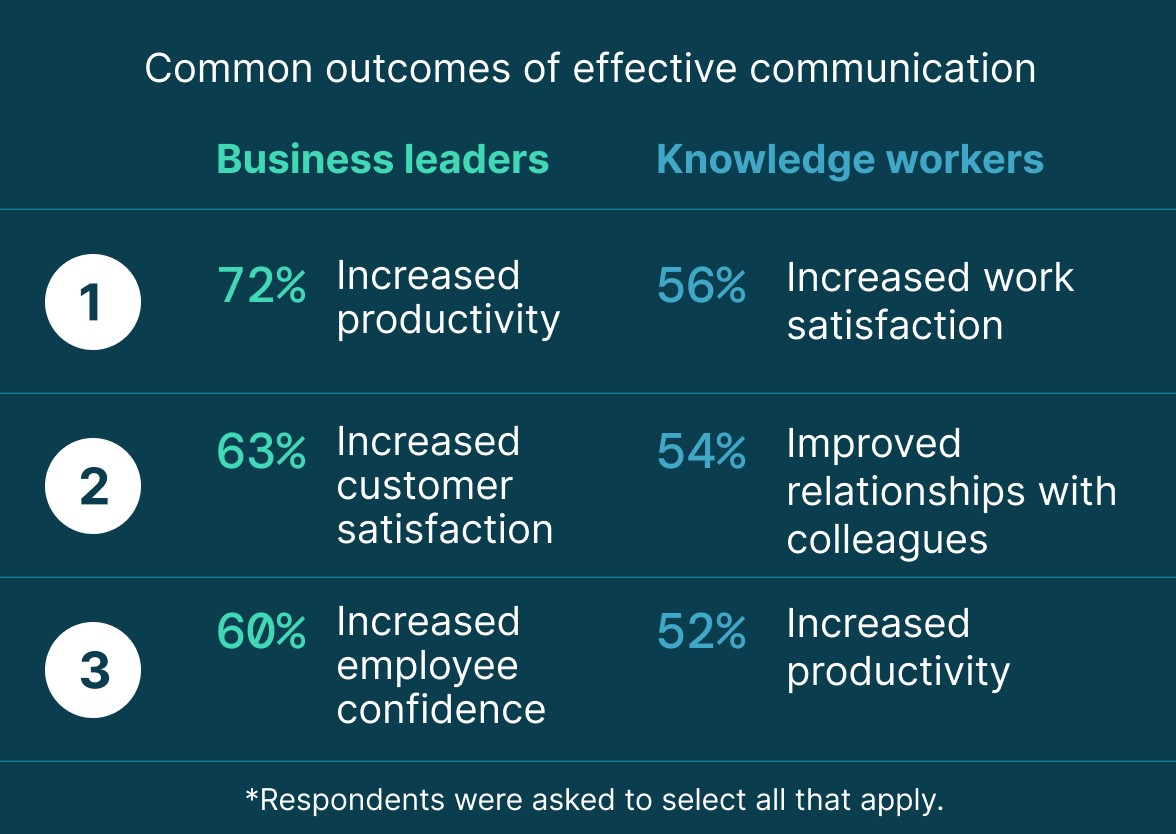
Image Source: Grammarly
Relying on multiple tools, such as email finder API, audio conferencing, spreadsheets, and web conferencing, can make it challenging to meet your project scope, especially when working with a large team. Emails are not the best when your inbox is full and you need to share important documents with other employees and track project status. They can easily get lost. The result? You end up missing critical updates, which leads to project delays.
Additionally, the use of multiple tools can introduce complexity to day-to-day processes. They may require regular updates, and some come at a high price tag. When working with a cross-functional team, it is essential to ensure the workflow is smooth and to minimize complexity as much as possible.
Efficiency and the Rise of Collaborative Platforms
Efficiency in project management goes beyond speed it is about achieving goals with precision and minimal waste. It is also about smart resource allocation and reducing wasteful practices. This means delivering projects that meet their expected outcomes as planned, on time, and within the discussed budget. It is “doing more with less.” Therefore, you are utilizing the right materials, processes, and tools to optimize project efficiency and productivity, thereby minimizing resource waste.
Collaboration platforms are making project management efficiency more measurable. They are AI-powered, enabling the project team to easily monitor project timelines, streamline processes, and make decisions more quickly, thereby facilitating the team’s successful completion of project tasks.
Here is an example of a project timeline page.

Image Source: Coda
This can be beneficial to international teams working remotely across different time zones. Team members have diverse professional backgrounds and project management styles, and may also need to collaborate with external contributors. Having one platform where all processes take place is ideal. All employees can work under the same roof, collaborate in real time, and communicate more easily.
7 Ways To Improve Project Management Efficiency Using Collaborative Platforms
Let us review the seven strategies to help you work better in project management with collaborative platforms.
1. Streamline Communication and Collaboration
Collaborative workspaces provide numerous features to facilitate streamlined communication and collaboration. These include instant messaging, video conferencing, and discussion forums, all without requiring the use of your email or the Zoom application. Imagine this: As a project manager, you are overseeing a global team working on a product launch.
With project management software, everyone can join live video meetings, share updates via chat, and refer back to threaded discussions in one place. This keeps all team members informed about the latest developments. It also avoids communication issues, as the team can access all the information on one platform. Additionally, streamlined communication fosters enhanced responsiveness. With access to real-time communication, you can act on an issue immediately before it escalates.
2. Centralize Information Repository
Collaborative software enables your teams to store and share documents in one central location. You do not have to spend hours scrolling through your email to find your colleague’s invoice that you received last week.

Image Source: Coda
With a centralized system, you can upload any type of file PNG, PDF, BMP, etc.- including design drafts and final reports. Employees can also leave comments if they have suggestions or want to confirm final deadlines, tagging the person they want to contact.
3. Track Project Progress and Monitor Analytics in Real Time
AI’s capability to process vast datasets and deliver predictive insights is transforming project management by enabling smarter, data-driven decisions. Through predictive analytics, project teams can identify risks, delays, or resource shortages before they occur. With AI features, you can now examine the team’s performance. For instance, if you work in manufacturing, real-time analytics can identify production lines that may not be performing optimally. This data makes it easier to assign tasks to other team members or adjust the workflow as needed.
However, AI is not just there to identify risks. It considers past data. Let us say a team member has repeatedly missed deadlines or struggled to manage three projects simultaneously. The system can flag this issue, allowing you to seek additional support for project efficiency. When considering project development, understanding the differences between MVP (Minimum Viable Product) and PoC (Proof of Concept) can also inform your decision-making. Both approaches serve different purposes, and leveraging AI can enhance the effectiveness of either strategy by providing insights that guide the development process.
4. Automate Routine Tasks
Automation can now transform repetitive tasks into error-free processes. This means you (or your team) can focus on what really matters, such as strategic thinking. With AI-powered project management tools, you can also group your ideas and share them with the rest of the team during project planning, so there is no need for manual reviewing.
These platforms also monitor each team member’s responsibilities. When a project or proposal reaches the approval phase, the tool forwards it to the relevant stakeholder. This eliminates the need for manual tracking and follow-up, as automation ensures that the team approves assigned documents or projects promptly without unnecessary interruptions.
5. Integrate Third-Party Tools
Another benefit of collaborative spaces is the integration of third-party tools. AI-powered platforms can work with calendars, analytics tools, and customer relationship management (CRM) systems. Choose project management software that integrates with multiple tools to manage everything in one place. Some of these integrated tools may include:
- Slack: Manage your Slack messages and reminders directly from your main workspace.
- Jira: Manage Jira’s issues, tasks, and deadlines without extra licenses.
- Google Calendar: You do not have to switch between tabs to find an available time slot for an upcoming meeting. Connect your Google Calendar to your workspace and manage meetings directly from there.
- Weather: Planning an outdoor event with your team? See weather forecasts and current conditions in your workspace.
This integration benefits industries such as construction, logistics, and solar project management by providing real-time updates, enhanced communication, and streamlined task tracking. For instance, a solar team can use tools like Slack and Salesforce within a collaborative workspace to connect field workers with office staff. This field operations software streamlines communication, enhances coordination, and boosts overall project efficiency.
6. Enhance Document Management and Sharing
Modern collaborative workspaces enable all team members to manage and share documents in one centralized location, thereby enhancing efficiency in project management. Here are some features project management teams may benefit from when working on digital documents:
- Real-time collaboration: Authorized users can edit in real time, ensuring everyone, including the marketing team, works on the latest version.
- User access: If you are working on a proposal, you can keep it private if you are not ready to share it with others. If it is marketing-related, share it with managers who can view or edit based on the permissions you set.
- Notifications: Invited team members can receive alerts when someone makes changes to the document. You can customize these notifications to alert others only when someone leaves a comment or requests approval.
- Advanced search facilities: If you can not remember the document name, you can find documents by entering keywords, page titles, or table content. You can also use the filter options if you know the document owner’s name.
7. Ensure Secure Collaboration
Users may have security concerns because they are sharing sensitive information. Select a collaborative workspace that provides secure access to protect information, even when working remotely from various locations. Check that the platform is compliant with global privacy laws. It may also hold:
- Secure development project lifecycle programs
- Public bug bounty programs
- Annual penetration tests
Final Thoughts
Collaborative platforms are redefining project management efficiency in 2025. Project management teams can streamline communication, centralize information, and drive data-based decision-making. These tools help overcome daily operational challenges and keep projects on track within budget. With digital solutions at your fingertips, every project can reach its full potential through coordinated teamwork and smarter resource management.
Author Bio: Kristina Iavarone

Kristina Iavarone is a content writer and editor at uSERP with a passion for building lasting relationships through content and SEO. Her work has been featured in Medical News Today, Healthline, and GetYourGuide.
Recommended Articles
We hope this in-depth guide on project management efficiency helps you streamline workflows and achieve better results. Explore these recommended articles for more tips and strategies to optimize your project performance.

