


What is Programmatic SEO?
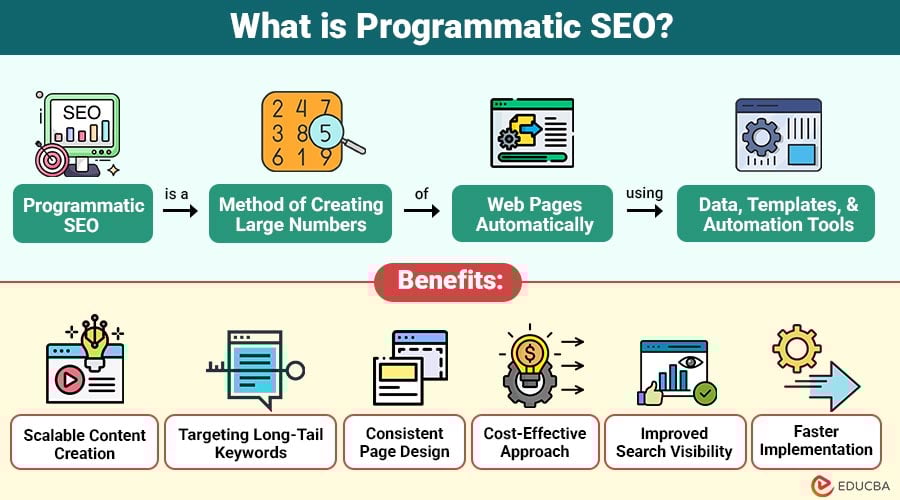
Programmatic SEO is a method of creating large numbers of web pages automatically using data, templates, and automation tools. Instead of writing every page manually, it allows websites to target many keywords efficiently by generating pages at scale.
For example, a travel website can create thousands of city-based destination pages, such as “Best Hotels in Paris” or “Best Hotels in Tokyo,” using a single template and a dataset, allowing it to rank for numerous search queries efficiently.
Table of Content:
- What is Programmatic SEO?
- How Programmatic SEO Works
- Key Benefits
- Programmatic SEO vs Traditional SEO
- Tools and Platforms
- Best Practices
- Common Mistakes to Avoid
- Future of Programmatic SEO
Key Takeaways
- Programmatic SEO automates the creation of large-scale pages using data and templates, saving time and effort.
- It helps websites target long-tail and niche keywords to improve organic reach.
- Maintaining quality, structure, and regular performance tracking ensures long-term success in SEO.
- As AI and automation continue to evolve, Programmatic SEO will further enhance scalability, personalization, and search visibility.
How Programmatic SEO Works
Programmatic SEO works by combining automation, templates, and data to create multiple SEO-friendly pages. Here is how it works step by step:
- Data Collection: The process starts by gathering data from sources like spreadsheets, APIs, or databases. This data can include product details, locations, or services that will be used to generate content.
- Keyword Research: Next, you identify relevant keywords, especially long-tail ones that can bring targeted traffic. These keywords guide how pages will be structured.
- Template Creation: A standard web page layout or template is designed with placeholders for dynamic content like titles, descriptions, and images. This ensures a consistent structure across all pages.
- Automation Setup: Tools and scripts are used to automatically fill templates with data. This helps create hundreds or thousands of pages quickly.
- Optimization and Testing: Each generated page is optimized for SEO with meta tags, headings, and schema markup. Performance is tracked to find and improve low-performing pages.
Benefits of Programmatic SEO
Programmatic SEO offers several powerful advantages that help websites grow faster and reach wider audiences with less manual effort.
- Scalable Content Creation: Programmatic SEO allows for the quick creation of thousands of pages through templates and structured data, significantly reducing the time and effort needed for manual content production.
- Targeting Long-Tail Keywords: It allows websites to rank for specific, less competitive keywords that attract highly relevant traffic and increase conversions.
- Consistent Page Design: Since pages are created from templates, the layout and structure remain uniform, ensuring a smooth user experience across the site.
- Cost-Effective Approach: Automating page creation reduces the need for large content teams, lowering overall marketing and production costs.
- Improved Search Visibility: By covering a wide range of topics and keywords, your site can appear in more search results, driving continuous organic traffic.
- Faster Implementation: Automated workflows enhance SEO campaigns, allowing businesses to grow their online visibility and connect with a larger audience more quickly.
Programmatic SEO vs Traditional SEO
Both Programmatic and Traditional SEO aim to improve search rankings, but they differ in scale, process, and execution.
| Aspect | Programmatic SEO | Traditional SEO |
| Approach | Uses automation, data, and templates to generate many pages quickly. | Relies on manual keyword research and individual page optimization. |
| Scale | Ideal for creating thousands of pages targeting long-tail keywords. | Best suited for optimizing a limited number of high-quality pages. |
| Speed | Fast implementation is facilitated by automation and bulk publishing. | A slower process that requires human effort for each page. |
| Content Type | Template-based with dynamic data insertion. | Custom-written and unique for each topic. |
| Best For | E-commerce, travel, or listing sites need large-scale pages. | Blogs, business websites, and editorial content. |
| Cost | More cost-effective once setup is complete. | More expensive due to the manual effort and time required. |
Tools and Platforms for Programmatic SEO
Various tools and platforms help automate and manage Programmatic SEO efficiently, making large-scale page creation easier and faster.
- Airtable: Helps store and organize large sets of data like keywords, locations, or product details that can be linked to website templates.
- Webflow: A no-code website builder that supports dynamic content creation using databases, ideal for programmatic pages.
- Softr: Enables users to build websites directly from Airtable data without coding, making it perfect for quickly setting up automated pages.
- Zapier: Automates workflows by connecting different tools, ensuring smooth data transfer between platforms like Airtable and CMS.
- Google Sheets: Acts as a simple database to collect and manage structured information for generating SEO pages.
- SEMrush and Ahrefs: Used for keyword research, competitor analysis, and performance tracking to improve programmatic content strategy.
- Google Search Console: Monitors indexed pages, search performance, and potential issues for optimization.
Best Practices for Programmatic SEO
Following best practices ensures that your programmatic SEO strategy delivers quality results without harming your site’s credibility or user experience.
- Focus on Content Quality: Ensure each page provides unique and valuable information to avoid thin or duplicate content.
- Use Clean Templates: Design templates that are easy to read, mobile-friendly, and visually consistent across all pages.
- Optimize Metadata: Automate meta titles, descriptions, and headers with keyword-rich and descriptive content to enhance search engine visibility.
- Implement Structured Data: Include schema markup to help search engines clearly interpret and categorize your page content.
- Ensure Fast Page Loading: Compress images, use a CDN, and optimize code for quick load times.
- Maintain Internal Linking: Link related pages to improve navigation and SEO performance.
- Monitor and Update Regularly: Utilize analytics tools to track performance, remove low-performing pages, and maintain content that is fresh and relevant.
Common Mistakes to Avoid
Avoiding common mistakes in Programmatic SEO helps maintain content quality, prevent penalties, and ensure long-term growth.
- Creating Thin Content: Generating too many low-value pages with little to no useful information can harm your rankings. Always include meaningful, relevant content.
- Ignoring Duplicate Pages: Reusing similar data or templates without variation can lead to duplicate content issues. Add unique titles and descriptions to every page.
- Over-Automation: Relying completely on automation without human review can result in poor-quality or inaccurate pages. Always check for errors manually.
- Skipping Keyword Research: Failing to target the right keywords means your pages may not attract the intended audience. Use keyword tools to identify valuable terms.
- Poor Technical SEO: Issues like slow loading, broken links, or crawl errors can limit visibility. Regularly audit your website.
- Neglecting Performance Tracking: Without monitoring, it is impossible to see which pages perform well or need improvement.
Future of Programmatic SEO
The future of Programmatic SEO looks promising as technology continues to make content creation smarter, faster, and more personalized.
- AI-Driven Content Generation: Artificial Intelligence will increasingly help create and optimize programmatic pages by producing content that feels more natural and human-like.
- Personalization: Future tools will utilize user behavior and location data to generate customized pages that cater to individual preferences.
- Voice Search Optimization: As voice assistants become increasingly popular, programmatic SEO will evolve to incorporate more conversational and question-focused keywords.
- Integration with Machine Learning: Machine learning will help predict keyword trends and automate real-time updates for better performance.
- Visual and Video Content Expansion: Programmatic systems will increasingly generate multimedia-rich pages to boost engagement.
- Improved Automation Tools: No-code and AI-based platforms will make programmatic SEO easier to use, even for beginners, while ensuring quality and accuracy.
Conclusion
Programmatic SEO is a powerful approach that blends automation, data, and strategy to achieve scalable growth. It helps businesses target thousands of keywords efficiently while maintaining consistency and quality. By combining smart templates with structured data, it streamlines large-scale content creation. When implemented carefully with proper monitoring, programmatic SEO can significantly boost visibility, traffic, and long-term digital performance.
Frequently Asked Questions
Q1. Can Programmatic SEO be used for multilingual websites?
Answer:- Yes, it can generate pages in multiple languages using localized data and templates.
Q2. Does Programmatic SEO require coding knowledge?
Answer:- Not always—many no-code tools allow users to build automated SEO pages easily.
Q3. How long does it take to see results from Programmatic SEO?
Answer:- Results usually appear within a few months, depending on crawl rate and keyword competition.
Q4. Is Programmatic SEO suitable for new websites?
Answer:- Yes, but it works best when the site has enough structured data to scale efficiently.
Recommended Articles
We hope this guide on Programmatic SEO helped you understand large-scale content automation. For more SEO tips, explore these related articles below:


