


Building a successful career is not only about gaining experience or developing technical skills. In many industries, employers also want people who understand workplace risks, follow established procedures, and know how to protect themselves and those around them.
Professional Safety Training can help demonstrate these qualities. Whether you already work in a safety-sensitive role or are preparing to enter a new field, relevant training can strengthen your knowledge and add useful credentials to your professional profile.
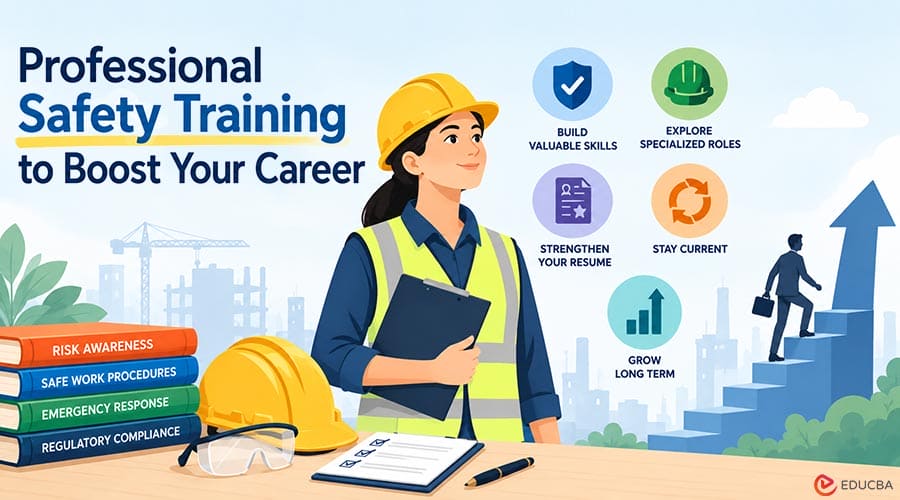
Build Skills Through Professional Safety Training
Workplace safety depends on employees recognizing hazards and responding appropriately. Professional Safety Training can build practical knowledge of risk awareness, safe work procedures, emergency response, and regulatory requirements.
These skills can be valuable across industries such as construction, manufacturing, transportation, utilities, and environmental services. Even when safety is not the main focus of a job, showing you understand your responsibilities can make you a more capable and dependable team member.
Prepare for More Specialized Roles
Some career paths involve hazards that require more specialized knowledge. Employees may work around chemicals, contaminated materials, heavy equipment, or potentially dangerous environments where general workplace awareness is not enough.
Completing role-specific courses can help workers develop the knowledge expected in these settings. For example, HAZWOPER training is relevant to certain employees who may be involved in hazardous waste operations or emergency response.
Developing specialized safety knowledge through Professional Safety Training may also help you explore roles that would otherwise be difficult to access without appropriate training.
Strengthen Your Resume
Professional development can show employers that you are actively investing in your career. Adding relevant safety courses or certifications to your resume provides evidence of skills beyond your everyday job responsibilities.
This can be especially valuable when exploring new roles or advancing your career with your current employer. If two candidates have similar work experience, additional training directly relevant to the role can help distinguish one from the other.
Safety credentials can also give you more to discuss during interviews. Rather than simply saying you take workplace safety seriously, point to specific Professional Safety Training you have completed and explain how you apply that knowledge.
Stay Current as Your Industry Changes
Workplaces do not remain static. New technology, equipment, processes, and regulations can change how jobs are performed and introduce different risks.
Ongoing Professional Safety Training provides an opportunity to refresh existing knowledge and learn about current practices. This can be especially important for experienced professionals who completed their original training several years ago.
Keeping your skills current shows that professional development does not stop once you have secured a position.
Support Long-Term Career Development
Don’t view safety training as something you complete only to meet a requirement before starting a task. It can form part of a wider approach to career development.
As your responsibilities increase, you may be expected to supervise others, identify potential hazards, contribute to workplace procedures, or support less experienced colleagues. A strong understanding of safety can make these responsibilities easier to manage.
Investing in appropriate Professional Safety Training can therefore deliver benefits beyond the immediate workplace. It can broaden your knowledge, strengthen your resume, and help prepare you for greater responsibility as your career develops.
Final Thoughts
Professional safety training can be a valuable part of career development, particularly for professionals working in industries where safety knowledge and compliance are essential. It can strengthen practical skills, support specialized career opportunities, and add relevant credentials to your resume.
As workplace requirements continue to change, keeping your safety knowledge current can also help you take on new responsibilities with greater confidence. Choosing training that aligns with your role and career goals can help you build skills that remain useful throughout your professional journey.
Recommended Articles
We hope this guide helps you understand how professional safety training can strengthen your career prospects, build valuable workplace skills, support specialized roles, and contribute to long-term professional development. Explore our recommended articles for more insights on workplace safety, employee training, professional development, career growth, and industry-specific qualifications.

