


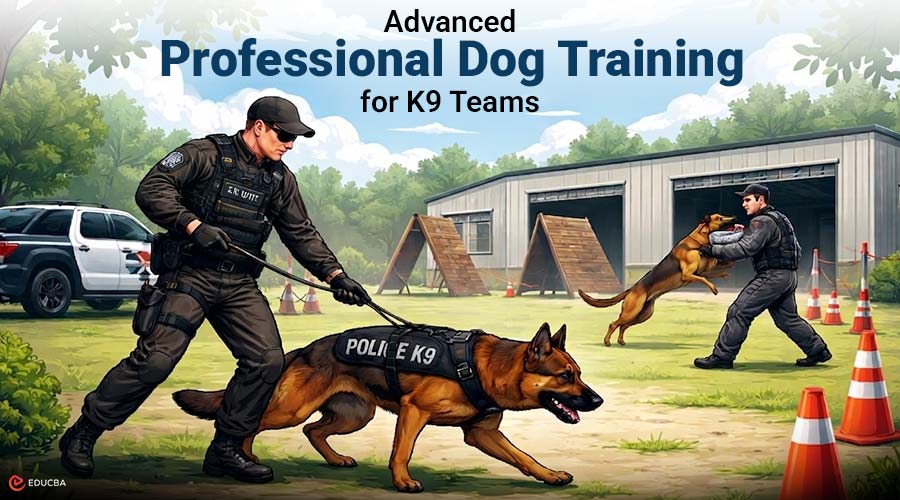
Professional Dog Training: Overview
Professional K9 training programs go far beyond basic obedience. They prepare dogs and handlers for real-world performance, especially in law enforcement, military, and security environments. Organizations like Shultz K9 offer structured Dog Training K9 Courses that focus on operational readiness, advanced handling, and scenario-based training. These professional dog training programs are not just about teaching commands. They are about developing reliable working teams capable of performing under pressure. Understanding what to expect from these courses can help handlers, agencies, and professionals choose the right path for their goals.
The Foundation of Professional Dog Training
At the core of professional dog training, especially in police dog training environments, is a structured and disciplined approach. Training is built around:
- Real-world operational scenarios
- Handler and dog communication
- Problem-solving in dynamic environments
- Performance under distraction and pressure
Unlike standard pet training, these dog obedience courses simulate real conditions where reliability and precision are essential.
Real-World Training Environment
One of the most important aspects of advanced K9 training programs is the emphasis on real-world application. Training does not happen in isolation. Instead, it is conducted across multiple environments to prepare dogs for actual deployment.
Participants can expect:
- Training in buildings, vehicles, and open areas
- Exposure to different terrains and environments
- Scenario-based exercises that mimic real operations
This type of training ensures that both the dog and handler can perform consistently outside controlled environments.
Types of Professional Dog Training K9 Courses
Professional dog training K9 Courses often include specialized programs tailored to specific operational needs. These may include:
1. Detection K9 Training
Detection programs focus on teaching dogs to identify specific target odors, such as:
- Narcotics
- Explosives
- Firearms or weapons
- Currency or electronic devices
Training includes odor imprinting, search techniques, and clear alert behaviors to ensure accurate detection performance.
2. Patrol and Police K9 Training
Police and patrol training programs focus on:
- Suspect apprehension
- Area and building searches
- Tracking and evidence recovery
- Tactical deployment
These programs prepare K9 teams for real law enforcement scenarios.
3. Trainer Development Courses
Advanced programs are also available for those looking to become trainers. These courses focus on:
- Training methodologies
- Scenario development
- Dog selection and evaluation
- Program management
This level of advanced dog training ensures long-term program sustainability and effectiveness.
Structured Program Durations
Professional K9 training typically follows structured timeframes based on the required level.
Short-Term Intensive Courses
Some programs range from 3 to 5 days and focus on:
- Maintenance training
- Skill reinforcement
- Problem-solving and correction
These are ideal for active K9 teams looking to maintain performance standards.
Mid-Length Programs
Programs lasting 4 to 8 weeks often focus on:
- Trainer development
- Patrol or detection specialization
- Advanced handling techniques
Long-Term Certification Courses
More intensive programs, such as 6-week detection courses or 12-week handler courses, provide:
- Comprehensive skill development
- Certification preparation
- Full operational readiness
These programs train K9 teams to become fully capable and ready for deployment.
Hands-On Learning and Handler Development
A key component of professional dog training is its hands-on instruction. Handlers actively participate throughout the training process.
Participants learn:
- Proper deployment techniques
- How to read canine behavior
- Reward systems and motivation
- Maintaining control in high-drive situations
This ensures that training is not limited to the dog alone. The handler becomes an integral part of the learning process, which is critical for long-term success.
Scenario-Based and Problem-Solving Training
Modern K9 training programs place strong emphasis on problem-solving. The training identifies weaknesses and corrects them before they affect performance.
This includes:
- Addressing training deficiencies
- Improving detection accuracy
- Refining patrol deployment techniques
- Preparing for certification standards
Scenario-based training allows handlers and dogs to practice in realistic situations, improving both confidence and reliability.
Certification and Operational Readiness
Many dog obedience training courses follow professional certification standards. These may include organizations such as:
- Florida Department of Law Enforcement
- United States Police Canine Association
- National Police Canine Association
Training programs are structured to ensure that K9 teams can meet these standards and perform effectively in operational roles.
By the end of these programs, teams should demonstrate:
- Reliable obedience and control
- Accurate detection or patrol performance
- Strong handler communication
- Confidence in real-world environments
Maintenance Training and Long-Term Performance
Training does not end after course completion. Ongoing maintenance is essential to keep skills sharp.
Maintenance training focuses on:
- Reinforcing foundational skills
- Maintaining detection accuracy
- Improving consistency under distraction
- Strengthening the handler-dog relationship
Regular training ensures that K9 teams remain mission-ready at all times.
Who These Programs Are Designed For?
Professional K9 training programs are not limited to one type of participant. They are designed for:
- Law enforcement agencies
- Military units
- Security professionals
- K9 trainers and instructors
- Working-dog handlers
These programs are scalable and can accommodate individual handlers, full K9 teams, or entire agency units.
Realistic Expectations from Professional Dog Training
While advanced dog training delivers powerful results, it is important to understand realistic expectations.
What You Can Expect
- Improved control and obedience
- Strong detection or patrol capabilities
- Enhanced handler confidence
- Better performance in real-world situations
What Requires Ongoing Effort
- Consistency in training
- Continued handler involvement
- Regular maintenance sessions
Success in K9 training depends on both the program and the handler’s commitment.
Final Thoughts
Professional Dog Training K9 Courses provide a structured and practical pathway for developing reliable working dogs and capable handlers. From detection and patrol training to advanced handler development, these programs focus on real-world performance and operational readiness. With the right training approach, hands-on instruction, and continued reinforcement, K9 teams can achieve the discipline, accuracy, and confidence required in demanding environments.
Recommended Articles
We hope this guide to professional dog training helps you build skilled K9 teams. Check out these recommended articles for more tips and strategies.

