


What is Product Placement?
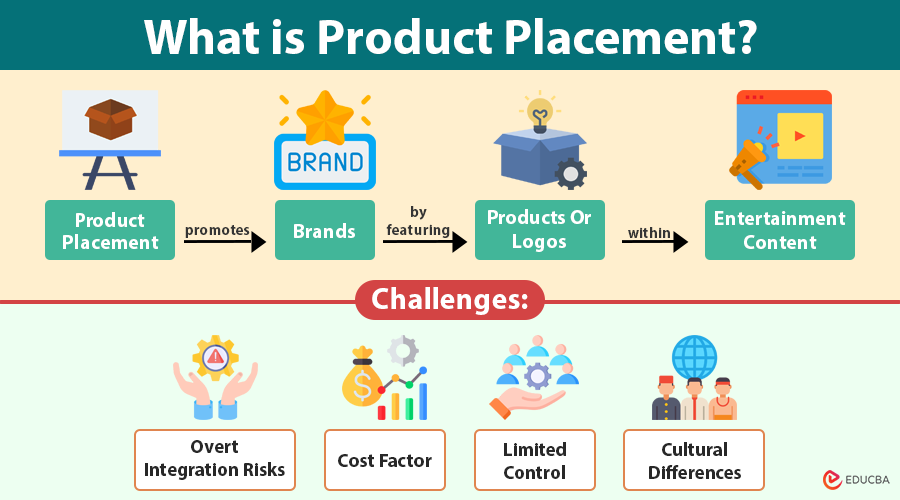
Product placement is a promotional approach in which companies feature their products or logos within movies, television programs, video games, music videos, or online content, making them part of the plot or setting.
Instead of appearing in a separate commercial, product placement weaves the product into the scene as a natural element, allowing audiences to notice it without breaking immersion.
In the Netflix series Stranger Things, Eggo waffles became closely tied to the character Eleven. The placement not only fit her storyline but also sparked a real-world surge in Eggo sales and online buzz.
Table of Contents
Key Takeaways
- Product placement blends brands into entertainment content, making them part of the story rather than a separate ad.
- It helps reach audiences naturally, boost brand recall, and create emotional connections.
- There are multiple types, including visual, verbal, usage, corporate, and digital placements.
- Benefits include subtle persuasion, worldwide reach, long-term exposure, and positive brand associations.
- Challenges include the risk of forced integration, high costs, limited control after release, and cultural differences.
- Streaming platforms, social media influencers, and AI have expanded product placement opportunities.
- Success depends on aligning with the right content, maintaining authenticity, and avoiding overexposure.
Why Do Brands Use Product Placement?
Brands use product placement to connect with audiences in ways traditional ads often can not.
- Reach Target Audiences Naturally – Viewers encounter products in authentic, everyday contexts that feel real.
- Build Brand Recall – Frequent appearances in popular shows or films keep the brand fresh in viewers’ minds.
- Create Emotional Connections – Audiences link products to characters, stories, and emotions they already value.
- Overcome Ad Avoidance – Because the product blends seamlessly into the content, viewers stay engaged without skipping or ignoring it.
Types of Product Placement
Brands use different placement styles to make their products visible without disrupting the story, each offering unique advantages.
1. Visual Placement
The product or brand logo appears on screen without any verbal mention. It might be part of the set design, props, or background, subtly catching the viewer’s attention.
- How it works: Viewers notice the product naturally while focusing on the scene.
- Why it is effective: It reinforces brand familiarity without interrupting the storyline.
- Example: A soda can placed on a sitcom character’s desk or a luxury watch worn by the lead actor in a drama.
2. Verbal Placement
The brand name is mentioned directly in dialogue by a character.
- How it works: The scriptwriters integrate the brand into conversations to make it sound natural.
- Why it is effective: Hearing the name out loud strengthens brand recall and suggests social approval.
- Example: A character says, “Let’s grab a Starbucks,” before heading to a coffee shop scene.
3. Usage Placement
The characters actively interact with and use the product during the scene.
- How it works: The product is a tool or accessory that aids the character in their actions.
- Why it is effective: It demonstrates functionality and lifestyle association in a real-world context.
- Example: A detective types on an Apple MacBook in a crime series, or a superhero drinks a branded energy drink after a battle.
4. Corporate Placement
The entire brand or service becomes part of the plot or setting.
- How it works: The storyline revolves around the brand, or key events happen in its environment.
- Why it is effective: It deeply immerses the brand into the audience’s memory by making it inseparable from the narrative.
- Example: A romantic comedy takes place inside a famous fast-food restaurant chain, or a film’s plot follows employees of a delivery company.
5. Digital or Virtual Placement
Brands are digitally inserted into scenes after filming, often using CGI or AI-based ad replacement technology.
- How it works: Technology overlays products into existing media, even updating them for different regions or periods.
- Why it is effective: It allows targeted advertising without reshooting content.
- Example: A streaming platform replaces a generic billboard in a TV episode with a local brand’s ad for viewers in different countries.
6. Cross-Platform Placement
Brands integrate their product placement across multiple channels such as movies, video games, and influencer content.
- How it works: The same product or storyline mention appears in different media formats to reinforce the message.
- Why it is effective: It creates repeated exposure across diverse audience touchpoints.
- Example: A sports shoe brand appears in a blockbuster film, then in a related video game, and finally in social media content by actors promoting the movie.
How Product Placement Works?
Successful product placement involves close collaboration between brands and content creators to ensure the product feels authentic and appealing.
1. Brand–Content Collaboration
Marketers study the target audience and select films, TV shows, digital content, or games that align with their brand’s image and values. The goal is to find a story environment where the product fits naturally.
2. Contract & Creative Approval
The brand and production team negotiate placement terms, covering cost, visibility, screen time, and creative guidelines. Both sides agree on how and where the product will appear to maintain authenticity.
3. Integration in Script & Scenes
Writers and directors weave the product into the storyline without making it feel forced. It could appear as a background prop, a character’s choice, or a central plot element, depending on the agreement.
4. Audience Engagement
When executed well, the placement blends seamlessly into the viewing experience. Viewers focus on the story, yet subconsciously register the product, building familiarity, trust, and purchase intent without traditional advertising interruptions.
Benefits of Product Placement
When brands integrate products naturally into stories, they gain multiple marketing advantages that traditional ads often can not match.
1. Subtle Persuasion
Audiences absorb the brand message without feeling pressured or interrupted. Because the product appears in a natural context, viewers lower their defenses and accept the message more willingly.
2. Global Reach
Movies, series, and digital content often reach audiences across countries and cultures. A single well-placed product can gain international exposure without separate ad campaigns for each region.
3. Long-Term Exposure
Unlike short-lived ad campaigns, product placements live as long as the content exists. Streaming platforms, reruns, and home media keep the brand visible for years after release.
4. Positive Association
The brand inherits the qualities of the content and its characters. If audiences admire a hero or enjoy a setting, they subconsciously transfer those positive feelings to the product.
Challenges of Product Placement
While product placement offers strong marketing potential, it also comes with strategic and creative hurdles that brands must navigate carefully.
1. Overt Integration Risks
If the placement feels forced or too obvious, audiences may see it as an advertisement and reject it. Poorly executed placements can even damage the brand’s credibility.
2. Cost Factor
Securing a spot in a blockbuster movie or a hit TV series can cost millions. Smaller brands may find these opportunities financially challenging, especially without guaranteed returns.
3. Limited Control
Once the content is produced and released, brands have little influence over how the product appears or how the scene is edited. Changes in post-production or storyline may affect visibility.
4. Cultural Differences
A placement that resonates in one market may not connect or could even offend in another due to cultural norms, humor, or product relevance.
Examples of Product Placement
Some product placements have become legendary for how effectively they boosted brand recognition and sales.
1. Reese’s Pieces in E.T. the Extra-Terrestrial
When Elliott lured the alien E.T. with Reese’s Pieces, audiences worldwide noticed. The candy’s sales surged by over 65% within weeks of the film’s release, proving the power of subtle product integration.
2. Ray-Ban Aviators in Top Gun
Tom Cruise’s role as Maverick in Top Gun transformed Ray-Ban Aviators into a symbol of cool confidence. After the 1986 film debuted, sales of the sunglasses jumped by 40%, reviving the brand’s popularity.
3. FedEx in Cast Away
In this survival drama, FedEx was not just a background brand; it was woven into the plot. The protagonist worked for FedEx, and the company’s packages played a central role in the story, reinforcing its global delivery image.
Product Placement in the Digital Era
Streaming services, social media, and influencer culture have reshaped the way brands use product placement in their marketing strategies. No longer limited to films and TV shows, placements now appear across a wide range of digital content formats.
Brands now weave products naturally into:
- Influencer videos – Creators showcase products in tutorials, unboxings, or casual vlogs.
- Live streaming sessions – Gamers, podcasters, and event hosts feature products in real time.
- Music videos – Artists include branded clothing, gadgets, or beverages to align with their image.
- Instagram Reels and TikTok clips – Short-form content creators subtly feature products in trending challenges or lifestyle skits.
Digital platforms also enable hyper-targeted placements. AI-powered analytics track viewer engagement, measure brand recall, and identify which content types generate the most interest. This allows marketers to adjust strategies quickly and optimize placement effectiveness across different audience segments.
Best Practices for Effective Product Placement
To maximize the impact of product placement, brands need to strike the right balance between visibility and authenticity. These best practices help ensure that the placement resonates with audiences and delivers measurable results.
1. Match Brand with Content
Select films, shows, or digital content that reflect the brand’s personality, values, and positioning. A perfect fit strengthens credibility and audience trust.
2. Keep It Natural
Integrate the product into the storyline so it feels like an organic part of the scene, not a forced advertisement.
3. Prioritize Audience Fit
Place the product in media that attracts the brand’s target demographic. Even a subtle placement becomes powerful if it reaches the right viewers.
4. Track Performance
Measure the effectiveness of the placement using audience surveys, social listening tools, and analytics. This data helps refine future campaigns.
5. Avoid Overexposure
Repeated product appearances can make the audience feel like they are being sold to, which reduces impact. Aim for strategic, memorable moments instead of constant visibility.
Final Thoughts
Product placement is no longer just a subtle background marketing tactic; it is a strategic storytelling tool that lets brands integrate themselves seamlessly into the entertainment audiences love. By aligning with the right content, maintaining authenticity, and leveraging both traditional and digital platforms, brands can build lasting emotional connections, enhance recall, and reach audiences in ways traditional ads struggle to match. However, success hinges on balance: placements must feel natural, respect the narrative, and serve the audience experience, not disrupt it.
Frequently Asked Questions (FAQ’s)
Q1. Do brands always pay for product placement?
Answer: Not always, sometimes brands provide products for free in exchange for exposure, especially in low-budget productions.
Q2. How is virtual product placement different?
Answer: Virtual product placement uses digital editing to insert brands into scenes after filming, allowing updates even in older content.
Q3. What industries use product placement the most?
Answer: Common industries include food and beverage, tech, fashion, automotive, and luxury goods.
Recommended Article
We hope this guide on product placement was helpful. Explore related articles on brand storytelling, influencer marketing strategies, and digital advertising trends.

