


What is Procurement Intelligence?
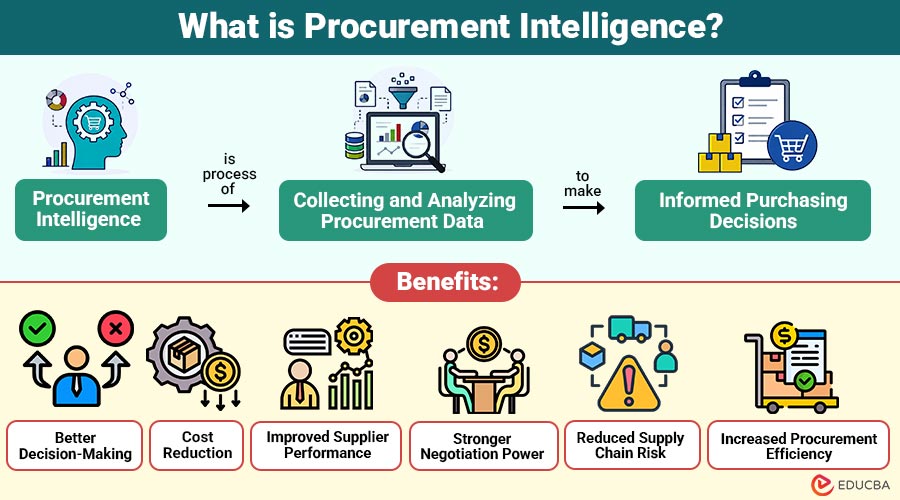
Procurement intelligence is the process of collecting and analyzing procurement data to make informed purchasing decisions. It combines market research, supplier insights, spend analysis, pricing trends, and risk assessment to optimize procurement strategies.
Unlike traditional procurement, procurement intelligence uses data-driven insights to identify cost-saving opportunities, improve supplier relationships, reduce supply chain risks, and support better sourcing decisions. This enables organizations to enhance procurement efficiency, strengthen business resilience, and achieve long-term cost optimization.
Table of Contents:
Key Takeaways:
- Procurement intelligence enables smarter purchasing through data-driven insights, improving sourcing decisions while reducing procurement costs.
- Supplier, market, pricing, spend, and risk intelligence effectively strengthen procurement strategies and supply chain resilience.
- Advanced technologies such as AI, analytics, and automation significantly improve procurement efficiency, forecasting, and supplier management.
- Organizations using procurement intelligence improve negotiations, ensure compliance, reduce costs, and gain long-term business advantages through smarter decisions.
Why is Procurement Intelligence Important?
Below are the key reasons why procurement intelligence is important:
1. Improve Sourcing Decisions
Leverage reliable market data for accurate, strategic, and cost-effective purchasing decisions across procurement activities.
2. Reduce Procurement Costs
Optimize spending through detailed analysis, strategic sourcing, and the consistent identification of sustainable cost-saving opportunities.
3. Identify Reliable Suppliers
Assess supplier quality, reliability, performance, and delivery using procurement data and analytics.
4. Strengthen Supplier Negotiations
Use pricing intelligence, market benchmarks, and supplier insights to negotiate favorable contract terms effectively.
5. Reduce Supply Chain Risks
Detects supplier issues, operational risks, and possible disruptions early to protect business operations and maintain smooth procurement.
6. Enhance Transparency and Compliance
Create standard purchasing processes, follow regulations, and maintain clear visibility across all procurement activities.
Key Components of Procurement Intelligence
The following components form the foundation of effective procurement intelligence.
1. Spend Analysis
Analyzes purchasing data to identify spending patterns, reduce costs, and improve budget efficiency across procurement operations.
2. Supplier Intelligence
Evaluates supplier performance, financial stability, quality standards, and reliability for informed sourcing decisions and partnerships.
3. Market Intelligence
Monitors market trends, commodity prices, competition, and changes in demand to support strategic procurement planning and negotiations.
4. Risk Intelligence
Identifies procurement risks, supplier disruptions, and regulatory changes to strengthen supply chain resilience.
5. Pricing Intelligence
Tracks pricing trends, market rates, and supplier quotes for better negotiations and purchasing decisions.
6. Contract Intelligence
Tracks contracts, renewals, and compliance to reduce risks and help organizations get better value from procurement activities.
How Does Procurement Intelligence Work?
Procurement intelligence follows a structured process that converts raw procurement data into valuable business insights.
Step 1: Data Collection
Information is acquired from a range of internal and external sources, such as:
- ERP systems
- Procurement software
- Supplier databases
- Market research reports
- Financial records
- Commodity price indexes
- Government databases
- Industry publications
Step 2: Data Integration
Procurement data is organized in one system to improve consistency, accuracy, and easy access for better purchasing decisions.
Step 3: Data Analysis
Advanced analytics tools evaluate procurement data to identify trends, spending patterns, supplier performance, and cost-saving opportunities.
Step 4: Insight Generation
The analyzed data is transformed into dashboards, reports, and recommendations for better procurement decisions.
Step 5: Strategic Decision-Making
Procurement managers use these insights to:
- Select suppliers
- Negotiate contracts
- Optimize sourcing strategies
- Reduce procurement risks
- Improve purchasing efficiency
Benefits of Procurement Intelligence
The following benefits demonstrate the value of procurement intelligence in modern procurement.
1. Better Decision-Making
Enables consistent, informed purchasing decisions using accurate data, market insights, and evidence-based procurement analytics.
2. Cost Reduction
Finds cost-saving opportunities through better supplier management, smart sourcing, and improved spending across procurement activities.
3. Improved Supplier Performance
Continuously monitors supplier quality, delivery, compliance, and service performance to consistently achieve stronger procurement outcomes.
4. Stronger Negotiation Power
Leverages pricing intelligence, market benchmarks, and supplier insights to negotiate favorable procurement contracts effectively.
5. Reduced Supply Chain Risk
Detects supplier risks, market disruptions, and potential issues early to improve supply chain risk management.
6. Increased Procurement Efficiency
Automates procurement tasks, reduces manual work, simplifies workflows, and speeds up the purchasing process across the organization.
Applications of Procurement Intelligence
The following applications show how procurement intelligence supports smarter procurement operations.
1. Strategic Sourcing
Organizations evaluate suppliers using market data, pricing intelligence, and performance metrics to select the best sourcing partners.
2. Supplier Risk Management
Businesses monitor supplier financial health, geopolitical risks, and operational performance to maintain supply chain stability.
3. Contract Management
Procurement intelligence identifies contract renewal opportunities, compliance gaps, and pricing optimization possibilities.
4. Spend Management
Companies analyze spending patterns to improve budget allocation and identify cost-saving opportunities.
5. Inventory Optimization
Demand forecasting enables organizations to maintain optimal inventory levels while reducing carrying costs.
6. Category Management
Procurement teams create purchasing strategies using supplier, market, and pricing information to make better buying decisions.
Technologies Used in Procurement Intelligence
Modern procurement intelligence relies on advanced digital technologies.
1. Artificial Intelligence
AI automates supplier analysis, predicts procurement risks, and recommends sourcing strategies based on historical data.
2. Machine Learning
Machine learning improves forecasting by identifying procurement patterns and supplier trends.
3. Business Intelligence
BI dashboards provide visual reports, supplier performance, and spending insights for faster decision-making.
4. Big Data Analytics
Big data technologies process large volumes of procurement information from multiple sources to uncover valuable insights.
5. Robotic Process Automation
RPA automates tasks like invoice matching, purchase orders, and supplier onboarding to save time and reduce manual work.
6. Cloud Procurement Platforms
Cloud procurement systems store data in one place, improving teamwork, easy access, and real-time reporting for better decisions.
Challenges of Procurement Intelligence
Although procurement intelligence offers significant advantages, organizations may encounter several implementation challenges.
1. Data Quality Issues
Incomplete or inconsistent procurement data can reduce the accuracy of procurement insights.
2. Multiple Data Sources
Integrating procurement information from different systems often requires significant effort and technical expertise.
3. Supplier Data Availability
Some suppliers provide limited performance or financial information, making accurate evaluation difficult.
4. Rapid Market Changes
Commodity prices, regulations, and global events can change quickly, requiring continuous market monitoring.
5. Technology Adoption
Organizations may face challenges in implementing advanced analytics platforms due to budget constraints or employee training needs.
6. Data Security
Protect procurement and supplier information to ensure data security and regulatory compliance.
Final Thoughts
Procurement intelligence empowers organizations with data-driven insights to optimize sourcing, reduce costs, manage risks, improve supplier performance, and strengthen supply chains. By leveraging analytics and automation, businesses enhance procurement efficiency, support strategic decision-making, and achieve sustainable long-term growth and competitive advantage.
Frequently Asked Questions (FAQs)
Q1. Which industries use procurement intelligence?
Answer: Manufacturing, healthcare, retail, construction, and technology industries commonly use it.
Q2. Can small businesses benefit from procurement intelligence?
Answer: Yes, it helps reduce costs and improve purchasing decisions.
Q3. What metrics are tracked in procurement intelligence?
Answer: Cost savings, supplier performance, cycle time, and contract compliance.
Q4. How often should procurement data be updated?
Answer: Ideally, in real time, or at regular weekly or monthly intervals.
Recommended Articles
We hope that this EDUCBA information on “Procurement Intelligence” was beneficial to you. You can view EDUCBA’s recommended articles for more information.


