


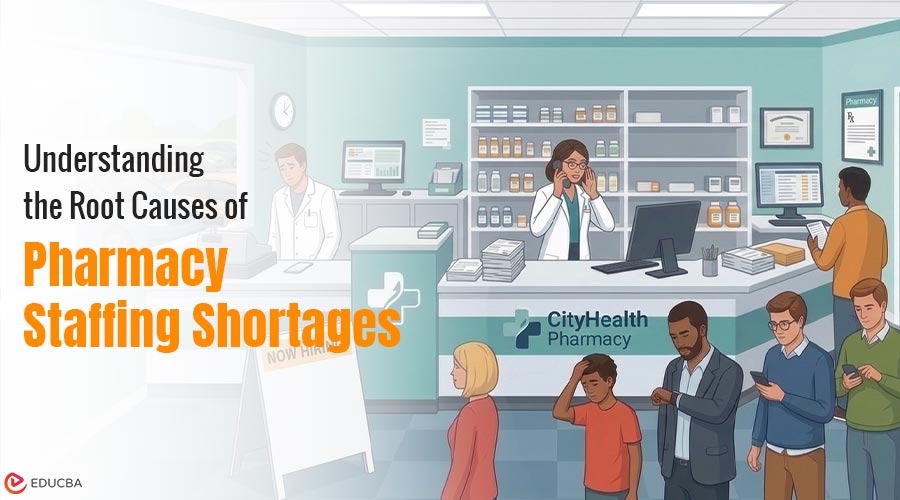
Pharmacy Staffing Shortages: Overview
Pharmacies and facilities across the USA are facing a challenge that is becoming harder to ignore. The challenge is chronic pharmacy staffing shortages. Whether you are running a small community pharmacy or managing a busy hospital chain across multiple locations, recruiting qualified pharmacy technicians has become a major challenge. Pharmacy staffing shortages do not only create workforce scheduling problems. These shortages affect workflow and patient experience and damage your facility or hospital’s reputation. When a clinic or pharmacy lacks enough trained pharmacy professionals on the floor, it increases stress across the team. This blog provides proven solutions for pharmacy shortages that recruiters and hospital owners can use to address workforce gaps and improve stability.
Understanding the Root Causes of Pharmacy Staffing Shortages
Recruiters are aware that pharmacy shortages stem from multiple causes. These causes can disrupt operations for pharmacy chains and hospitals. Along with the disruptions, these root causes create unplanned recruiting and strain your working teams daily. The main root causes are explained in detail below to help hospital owners plan pharmacy staffing.
1. High Turnover Rate
Most dental professionals often face high levels of stress due to packed work schedules. These schedules may lead to burnout, leaving facilities short-staffed and worsening the pharmacy staffing shortages. The most prevalent cause discussed across the healthcare sector is turnover. One primary reason is that unplanned work schedules have led to a significant increase in burnout among pharmacy professionals, driven by long hours and stressful work conditions. This led some professionals to retire early and others to shift their careers, creating workforce gaps in the pharmacy sector. Pharmacy roles, especially technician and assistant positions, experience significant turnover. Reasons include:
- Heavy workloads
- Limited professional growth opportunities
- Stress in the workplace
- Competitive job markets offering slightly higher pay or perks
2. Demographic Shifts Across the Nation
Recent demographic changes in the pharmacy workforce are shaping the future of the sector. Many pharmacists are aging and are nearing retirement. At the same time, the number of students choosing careers in pharmacy is decreasing. This has raised concerns about future pharmacist shortages. The points below discuss retirements in the pharmacy sector, especially pharmacist roles, the reduced number of students entering pharmacy school, and pharmacist shortages.
- Retirement of baby boomer pharmacists
- Fewer new graduates
- Seasonal and unpredictable demand
3. Growing Market Competition
The healthcare industry in the United States continues to experience strong demand for skilled pharmacy professionals. As a result, competition among hospitals, retail pharmacies, and healthcare networks has intensified. Many organizations are now offering higher salaries, attractive benefits, and flexible work options to attract qualified pharmacists and technicians. Competitive compensation packages not only attract skilled professionals but also help improve employee retention and reduce pharmacy staffing shortages. Another factor contributing to workforce gaps is the geographic distribution of workers. According to the United States Economic Research Service, about 20% of the population resides in rural areas. However, many healthcare professionals prefer working in urban environments because rural areas may offer:
- Limited career opportunities
- Fewer educational institutions
- Reduced professional growth options
4. Not Maintaining a Pool of Qualified Talent
When facilities need to hire a pharmacist technician, they rely on free job portals and traditional agencies to source and hire talent. Searching through agencies can be time-consuming, and it may not help you hire on time. It happens because we do not maintain a pool of talent. So, to overcome the challenges of delayed recruiting, it is better to build a talent pool. This talent pool helps recruiters like you meet timelines and reduce hospital pharmacy staffing shortages.
Smart Hiring Solutions for Pharmacy Leaders
To address pharmacy staffing shortages, clinics and hospital owners must implement smart pharmacy staffing solutions to maintain adequate staffing levels. This will help them avoid burnout, workplace stress, and last-minute recruiting. To maintain your team with a sufficient workforce, you need to follow the mentioned details.
1. Practice Flexible Staffing Models
A flexible recruiting model allows pharmacies to quickly hire pharmacists and adjust workforce levels in response to patient growth. As a recruiter, you must know how to address pharmacy staffing shortages effectively. It reduces the pressure of urgent, full-time recruiting, ensures uninterrupted patient care, and maintains operational stability throughout the pharmacy. This planned approach reduces last-minute recruiting and prevents operational disruptions. Flexible workforce planning also improves cost control when hiring pharmacy professionals, a vital aspect of pharmacy staffing solutions. To help you gain more information, multiple flexible approaches are given below:
- Temporary staffing: It involves recruiting pharmacy professionals for a defined period or until a specific season ends.
- Temp-to-hire: Refers to recruiting a candidate temporarily with the potential for full-time employment based on their work.
- Contract staffing: Mainly focuses on engaging employees under a contractual agreement for a set duration or for a specific assignment.
- Per diem staffing: It allows facilities to hire pharmacy professionals on an as-needed basis, typically to manage sudden increases in patient volume or unexpected gaps
2. Adopting Technology-Driven Recruitment Tools
Technological advancements in the pharmacy sector have significantly improved recruitment quality. This technological advancement enhances the facilities, enabling more accurate diagnosis of images. This technological improvement helps facilities maintain a well-planned workforce level. Which means using AI or technology shift-assignment tools, such as ShiftLink, helps you automate shift management. In the same way for recruiting purposes as a recruiter, you can partner with modern pharmacy staffing platforms that allow you to hire within your budget.
This technology-enabled tool helps you hire and maintain an adequate number of workers to dispense drugs and maintain proper patient care. The percentage of employees who prefer working with the latest technology and equipment is growing by the day. These tools also help you attract more pharmacy professionals by reducing the need for overtime through effective shift management. If you want to attract and hire skilled pharmacists, investing in new technology is essential.
3. Practising Retention-Focused Approach
Healthcare owners like you must understand that the pharmacy shortages cannot be fixed by recruiting new professionals if facilities ignore retention policies. Most facilities experience turnover in their first year, particularly in pharmacy roles such as pharmacists and pharmacy technicians. Employees resign due to excessive workloads, unclear job expectations, and non-competitive pay. Important strategies to improve retention in pharmacies are:
- Clear mentioning of the role responsibilities in the job description
- Encouraging the senior workforce to give feedback on task completion
- Awarding competitive wages to the staff
4. Partner with Pharmacy Institutions
Most pharmacies often face workforce shortages because the demand for patient care grows faster than the supply of experienced, skilled pharmacy professionals. It will lead to ongoing workforce shortages in clinics and hospitals. To overcome the shortages as a healthcare provider, you need to hire professionals within the timelines and strengthen your recruitment process.
You can do this by partnering with reputable pharmacy institutions. Once partnered, facilities can advise on market-trending curricula that align with real-time requirements in the healthcare sector. This collaboration will improve the recruiting process and ensure that clinics hire professionals who are ready to work after completing their course. These partnership procedures can accelerate recruiting speed and help facilities hire qualified professionals who can deliver better patient care.
Final Thoughts
Before starting the recruitment process, pharmacies and healthcare facilities should understand the available hiring options and choose the right staffing platforms. Relying solely on traditional recruitment agencies or free job portals may not always provide the best results. Agencies often charge high markups, while job portals can generate large numbers of unfiltered applications that require significant screening time. Modern technology-driven staffing platforms offer a more efficient alternative by simplifying the recruitment process.
Platforms like MedSquirrels provide healthcare facilities with curated candidate profiles and streamlined hiring solutions. These platforms help reduce recruitment delays, improve candidate matching, and simplify payroll management. Such platforms can deliver AI-matched profiles of pharmacists, pharmacy technicians, and allied healthcare professionals within a short timeframe, allowing facilities to address pharmacy staffing shortages more effectively. By combining technology, strategic hiring practices, and long-term workforce planning, healthcare leaders can build a stable and efficient pharmacy workforce.
Recommended Articles
We hope this comprehensive guide on pharmacy staffing shortages helps you better understand the challenges and solutions for building a stable pharmacy workforce. Check out these recommended articles for more insights and strategies to improve healthcare recruitment and staffing efficiency.

