

What is Performance Calibration?
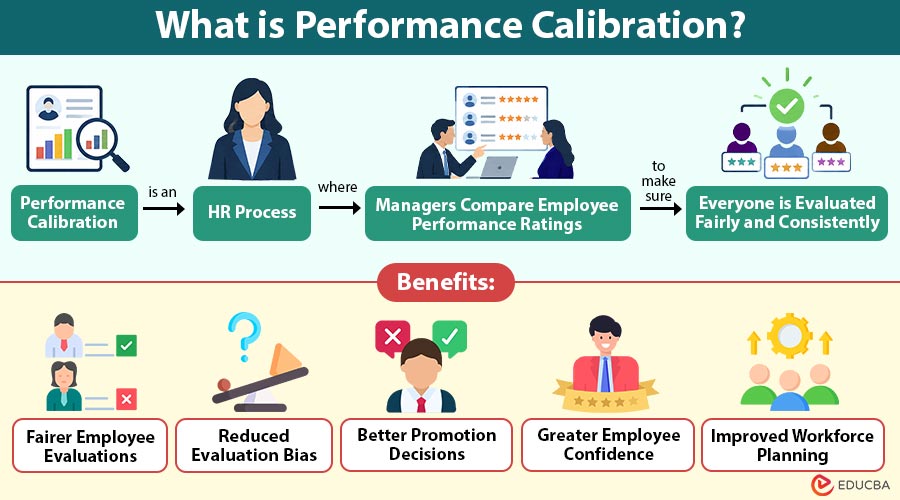
Performance calibration is an HR process where managers compare employee performance ratings to make sure everyone is evaluated fairly and consistently.
Employee performance reviews help companies decide promotions, salary increases, rewards, and career growth opportunities. However, not every manager evaluates employees in the same way. Some managers give high ratings easily, while others follow stricter standards. As a result, two employees doing similar work may receive different ratings. Performance calibration helps companies deal with this problem. Managers and HR teams meet to discuss employee ratings, compare achievements, and check whether the evaluations are fair.
For example, two employees from different departments may achieve similar results but receive different ratings. During calibration, managers compare their work and decide whether those ratings are reasonable.
Companies commonly use performance calibration during annual reviews, promotion discussions, and other important employee-related decisions.
Table of Contents:
- Meaning
- Objectives
- Working
- Process
- Examples
- Benefits
- Challenges
- Difference
- Best Practices
- Applications
Key Takeaways:
- Performance calibration helps companies give employees fair and consistent performance ratings across different teams.
- Managers and HR teams compare employee achievements and review ratings using the same evaluation standards.
- The process helps identify unfair ratings caused by personal opinions or different managerial expectations.
- Companies use calibration results to support decisions about promotions, salary increases, and employee development.
- Clear performance goals, proper records, and open discussions make the calibration process more effective.
What are the Objectives of Performance Calibration?
The main goal of performance calibration is to make employee evaluations fair and consistent, regardless of who manages the employee.
The following are its main objectives:
1. Maintain Fair Evaluations
Use the same performance standards across departments so employees doing similar work receive fair ratings based on their actual achievements.
2. Reduce Managerial Bias
Help managers avoid personal opinions and favoritism by reviewing employee achievements, work quality, and other relevant information before deciding ratings.
3. Improve Rating Accuracy
Make sure employee ratings reflect their actual work, completed goals, responsibilities, and contributions instead of depending only on managers’ personal judgments.
4. Support HR Decisions
Provide reliable performance information that helps companies make better decisions about promotions, salary increases, employee rewards, training, and future career opportunities.
5. Build Employee Trust
Help employees feel more confident about performance reviews by making evaluations fair, consistent, and based on clear expectations and work results.
How Does Performance Calibration Work?
Performance calibration works by bringing managers and HR teams together to compare employee ratings and check whether everyone has been evaluated fairly.
The process usually involves five stages, starting with employee reviews and ending with final ratings and feedback.
1. Initial Performance Review
Managers first look at each employee’s work, completed goals, daily responsibilities, and achievements to understand how well they performed during the review period.
2. Collection of Performance Records
HR teams gather employee ratings, manager feedback, completed targets, and other work records to help everyone understand the reasons behind each performance assessment.
3. Calibration Discussion
Managers meet with HR representatives to compare ratings, discuss employee achievements, and identify situations where similar performance has received different assessments across teams.
4. Review of Ratings
During discussions, managers check whether ratings match actual employee performance and make changes when the available evidence shows that adjustments are necessary and fair.
5. Finalization of Results
Once discussions are complete, managers confirm the final ratings and explain the results to employees, including their strengths and areas needing improvement.
Performance Calibration Process
A clear calibration process helps companies avoid confusion and ensures managers follow the same approach when reviewing employee performance.
Here are the five main steps involved:
Step 1: Set Performance Standards
HR teams create clear rating guidelines and performance expectations so managers know what to consider when evaluating employees across different departments and roles.
Step 2: Complete Initial Evaluations
Managers review employee achievements, assigned responsibilities, completed targets, and feedback before giving preliminary ratings based on performance during the review period.
Step 3: Arrange Calibration Meetings
HR professionals organize meetings with managers and department leaders to discuss employee ratings and identify possible differences in how performance was evaluated.
Step 4: Compare Performance Ratings
During these meetings, participants compare ratings, review employee achievements, and discuss whether similar levels of performance have received fair and consistent assessments.
Step 5: Approve Final Assessments
Managers agree on final ratings after reviewing the evidence, while HR records important decisions and ensures everyone follows the company’s performance evaluation guidelines.
Examples of Performance Calibration
Performance calibration is useful when employees from different teams receive different ratings despite showing similar levels of performance.
Here are some common workplace examples:
| Department | Performance Issue | Calibration Approach |
| Sales | Similar sales results receive different ratings. | Compare sales achievements and targets. |
| Information Technology | Technical work is rated differently. | Review project results and technical skills. |
| Customer Service | Service ratings differ between teams. | Compare customer feedback and service quality. |
| Marketing | Similar campaign results receive different ratings. | Review campaign performance and contributions. |
| Human Resources | Similar HR work receives different ratings. | Compare completed tasks and work quality. |
These examples show how managers can use common standards to evaluate employees more fairly instead of relying only on personal opinions.
Benefits of Performance Calibration
Performance calibration offers several benefits to companies and employees. It makes performance reviews more consistent and supports better decisions about employee growth.
1. Fairer Employee Evaluations
Using the same evaluation standards helps employees receive fair ratings and reduces differences caused by managers having different expectations about employee performance.
2. Reduced Evaluation Bias
When managers explain their ratings using actual work records, it becomes easier to identify personal opinions, favoritism, and other potentially unfair judgments.
3. Better Promotion Decisions
Consistent performance ratings help companies identify employees who deserve promotions based on their achievements, skills, responsibilities, and ability to handle bigger roles.
4. Greater Employee Confidence
Employees are more likely to trust performance reviews when they know their work is evaluated fairly using clear expectations and consistent standards.
5. Improved Workforce Planning
Calibration helps HR teams recognize strong performers, identify employees needing support, and plan training programs or future leadership opportunities more effectively.
Challenges of Performance Calibration
Although performance calibration can improve employee reviews, companies may face certain difficulties while carrying out the process.
1. Time and Resource Requirements
Collecting employee records, arranging meetings, and discussing individual ratings can take considerable time, especially when a company has many employees and departments.
2. Differences in Managerial Opinions
Managers may disagree about employee performance because they have different expectations, making it harder to reach a common decision during calibration meetings.
3. Limited Performance Evidence
When employee records are incomplete or performance goals are unclear, managers may struggle to compare achievements and explain their ratings with confidence.
4. Influence of Senior Managers
Some managers may hesitate to disagree with senior leaders, which can influence discussions and make it difficult to reach completely fair decisions.
5. Difficulty Explaining Rating Changes
Employees may feel disappointed when their ratings change after calibration, particularly when managers cannot clearly explain the reasons behind the final decision.
Difference Between Performance Calibration and Performance Appraisal
The table below highlights the key differences between the two:
| Basis | Performance Calibration | Performance Appraisal |
| Meaning | Checks whether employee ratings are consistent. | Reviews an individual employee’s performance. |
| Purpose | Maintain fairness across teams. | Understand achievements and improvement needs. |
| Participants | Managers, HR teams, and department leaders. | Employee and reporting manager. |
| Approach | Group discussion and rating comparison. | Individual performance review. |
| Main Focus | Fair and consistent ratings. | Employee work and achievements. |
| Outcome | Reviewed and finalized ratings. | Feedback and development plans. |
Best Practices
Companies can make performance calibration more effective by following simple guidelines and encouraging managers to make decisions based on actual employee performance.
1. Establish Clear Guidelines
Create simple performance standards and rating rules before evaluations begin so managers understand how to assess employees fairly across different departments.
2. Maintain Accurate Records
Keep proper records of employee goals, achievements, completed tasks, and feedback to support ratings and avoid confusion during calibration meetings.
3. Prepare Managers Properly
Train managers to understand rating standards, recognize personal bias, and explain employee performance using clear examples and reliable work information.
4. Encourage Open Discussions
Allow managers to share opinions, ask questions, and discuss rating differences openly without feeling pressured to agree with senior team members.
5. Record Important Decisions
Document rating changes and the reasons behind them so HR teams can maintain clear records and explain decisions when necessary later.
6. Evaluate the Process Regularly
Examine the calibration data and get manager input to determine what went well and what needs to be improved in subsequent evaluations.
Applications of Performance Calibration
Performance calibration is commonly used in HR activities where companies need fair and reliable information about employee performance.
1. Annual Performance Reviews
Companies use calibration meetings before finalizing annual reviews to check whether managers have evaluated employee achievements fairly and followed the same standards.
2. Employee Promotion Decisions
Managers compare employee performance and skills to identify suitable candidates for promotions and understand whether they are ready for greater responsibilities.
3. Salary and Reward Management
HR teams use calibrated performance ratings to support decisions about salary increases, performance bonuses, employee rewards, and other forms of workplace recognition.
4. Succession Planning
Companies review employee performance to identify potential future leaders and provide development opportunities that prepare them for important roles within the organization.
5. Employee Training and Development
Calibration discussions help managers identify employee strengths and weaknesses, making it easier to recommend useful training, coaching, and career development opportunities.
Final Thoughts
Performance calibration helps companies make employee reviews fairer and more consistent. By comparing ratings and discussing actual work, managers can identify differences in how employees are evaluated. Clear performance standards, proper records, and open discussions make the process more useful. When done correctly, calibration supports better HR decisions and helps employees feel more confident about their performance reviews.
Frequently Asked Questions (FAQs)
Q1. Who is responsible for performance calibration?
Answer: HR teams usually organize calibration meetings, while managers and department leaders review employee ratings, discuss achievements, and help make fair evaluation decisions.
Q2. How frequently is performance calibration conducted?
Answer: Most companies conduct performance calibration during annual or half-yearly reviews, although the frequency depends on their employee evaluation policies and business needs.
Q3. Can employee ratings change after calibration?
Answer: Yes, employee ratings can increase, decrease, or remain unchanged when managers review performance records and find valid reasons for making necessary adjustments.
Q4. Is performance calibration necessary for small organizations?
Answer: Small companies can also benefit from calibration, especially when different managers evaluate employees and need to maintain fair and consistent performance ratings.
Recommended Articles
We hope that this EDUCBA information on “Performance Calibration” was beneficial to you. You can view EDUCBA’s recommended articles for more information.