


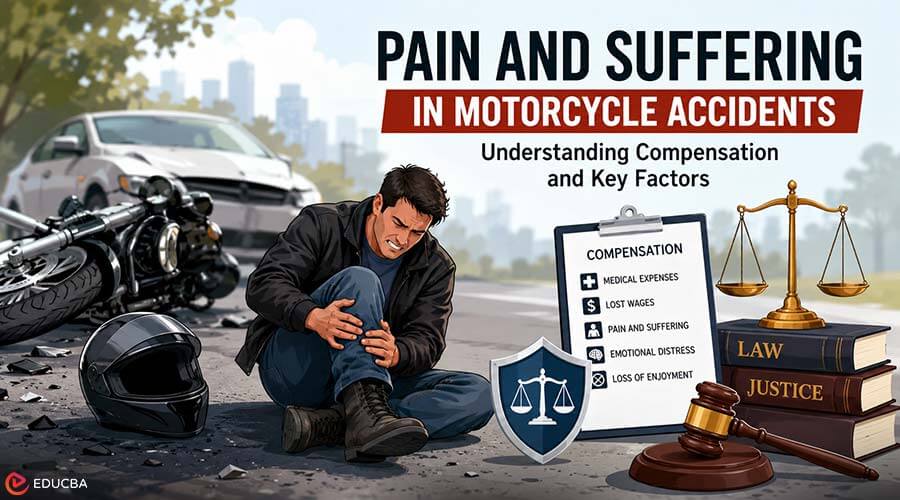
A motorcycle accident can result in serious injuries that extend well beyond the cost of medical treatment. Recovery may involve chronic pain, emotional distress, extended rehabilitation, and significant changes to everyday life. These personal losses become an important part of an injury claim after the accident. Many injured riders consult motorcycle accident lawyers to understand how pain and suffering in motorcycle accidents may influence the value of their claims. Several important factors determine how attorneys and insurance companies evaluate these non-economic damages during the claims process. The following guide explains the key factors that influence pain-and-suffering compensation and how attorneys present those losses effectively.
Injury Severity Carries Significant Weight
The seriousness of an injury remains one of the most important factors when calculating pain and suffering compensation. Fractures, traumatic brain injuries, spinal cord injury, severe road rash, burns, and permanent disabilities usually have a greater impact on claim value than minor injuries. Extensive medical treatment, multiple surgeries, and lengthy rehabilitation also demonstrate the severity of physical suffering.
Serious injuries frequently require months of recovery and may permanently affect mobility or independence. Medical records provide essential evidence supporting the extent of these physical losses. Detailed medical documentation also helps demonstrate how those injuries continue affecting daily activities throughout the recovery period.
Recovery Process Reveals Long-Term Impact
Pain and suffering compensation reflects more than the initial injury because recovery continues long after the accident. Ongoing physical therapy, rehabilitation, pain management, and follow-up medical appointments demonstrate the lasting effects of the injuries. Some individuals experience permanent discomfort that limits movement or prevents a full return to previous activities.
Recovery may also interrupt employment, family responsibilities, and personal independence for extended periods. Attorneys review treatment timelines carefully because longer recovery periods generally indicate greater physical and emotional hardship. Complete medical documentation helps connect these long-term challenges directly to the motorcycle accident.
Daily Life Changes Matter Too
Pain and suffering also include the ways an accident changes everyday life beyond financial losses. Attorneys evaluate how injuries affect normal routines and personal well-being.
Common Examples Include:
- Reduced mobility during daily activities.
- Difficulty completing household responsibilities.
- Reduced ability to enjoy hobbies or recreational activities.
- Emotional distress related to the accident.
- Anxiety or fear associated with future travel.
- Reduced enjoyment of normal life because of continuing pain.
Strong Evidence Supports Compensation
Every claim for pain and suffering depends upon reliable evidence rather than personal opinions alone. Attorneys collect medical records, physician reports, therapy notes, and witness statements to support the claim. Personal journals describing daily pain levels, physical limitations, and emotional struggles may also strengthen the case.
Consistent medical treatment helps demonstrate that injuries remain genuine and continue affecting daily life. Insurance companies frequently examine available documentation before evaluating non-economic damages. Thorough evidence allows attorneys to present a clearer picture of the accident’s lasting impact during settlement negotiations.
Attorneys Present the Full Impact
Motorcycle accident lawyers organize every piece of evidence to demonstrate how the motorcycle accident changed the injured person’s life. Their work extends beyond calculating medical expenses because non-economic damages require careful presentation and legal analysis.
- Organizing Medical Evidence: Attorneys collect treatment records, physician opinions, rehabilitation reports, and diagnostic results that explain the severity of the injuries.
- Calculate Non-Economic Losses: Legal professionals evaluate physical pain, emotional distress, reduced quality of life, and permanent limitations before estimating damages for pain and suffering.
- Negotiate With Insurance Companies: Attorneys present organized evidence and documented medical support to secure fair compensation.
Final Thoughts
Compensating pain and suffering in motorcycle accidents depends upon the severity of the injuries, the recovery process, and the lasting effect on everyday life. Strong medical records and detailed evidence help demonstrate these non-economic losses throughout the claims process. Experienced lawyers use that documentation to pursue compensation that reflects the full impact of the accident. Careful preparation helps injured riders protect their rights while seeking a fair financial recovery.
Recommended Articles
We hope this guide to pain and suffering in motorcycle accidents helps you better understand your legal rights and factors in determining compensation. Check out these recommended articles for more legal insights and accident claim guidance.

