

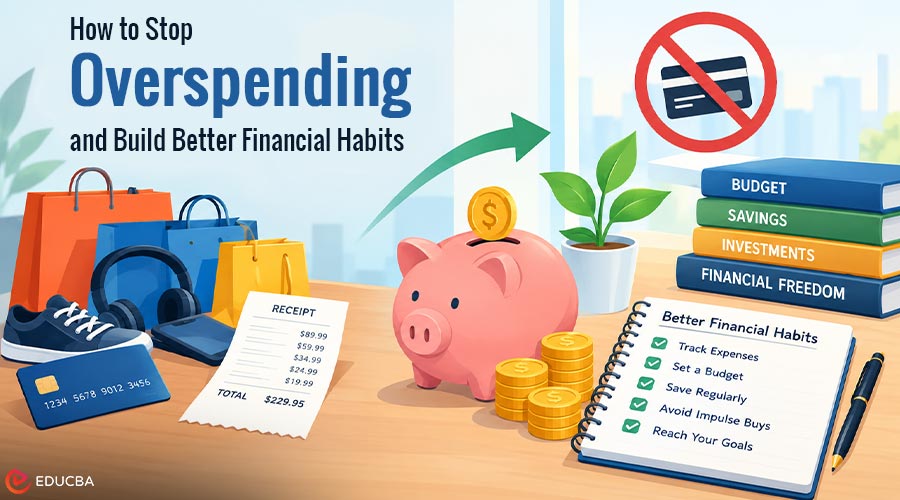
Few financial problems are as common, or as misunderstood, as overspending. People often treat it as a failure of character, a sign that someone lacks discipline or simply doesn’t care. That view is tidy, but it rarely matches reality. Most people who spend more than they intend are paying attention. They have goals, they know their bills, and they feel real frustration when the month ends with less money than expected.
A more useful way to see overspending is as a cycle. Certain feelings and situations prompt a purchase; people quickly justify it, and the discomfort that follows makes them less likely to look closely at their finances. Then it begins again. Seeing the pattern clearly matters because you can interrupt the cycle at more than one point. The right tools, including those built on artificial intelligence, make each interruption easier to achieve.
Understanding the Overspending Cycle
Calling overspending a lapse suggests a one-time slip. In practice, it tends to repeat the same four stages, with each one feeding the next.
Stage One: The Trigger
Most unplanned purchases start with a feeling, not a need. Boredom, fatigue, stress, and even celebration can all create an urge to buy. Money is also a stressor in its own right, ranking among the most commonly reported sources of stress in the American Psychological Association’s Stress in America research. That creates an uncomfortable irony. Worry about money can lead to spending, which produces more worry about money.
Stage Two: The Easy Yes
Once the urge appears, very little stands in its way. Saved payment details, one-tap checkout, and installment plans have removed nearly every pause between wanting something and owning it. Each of those pauses once gave people a moment to reconsider. Without them, a passing impulse can become a completed order in seconds.
Stage Three: The Story We Tell Ourselves
After the purchase, the mind looks for a reason it made sense. It was on sale. It was a reward for a hard week. It came out of money that did not really count. That last explanation reflects a habit known as mental accounting, in which people sort money into separate mental categories and treat each one differently. A refund or a bonus can feel like spare cash, even though it could pay down debt or build savings just as effectively as a regular paycheck.
Stage Four: Looking Away
The final stage is avoidance. When spending feels out of control, checking a balance or opening a statement becomes unpleasant, so many people stop. Avoidance brings short-term relief at a long-term cost. Without a clear view of where the money goes, the next trigger meets no resistance, and the cycle starts over.
Why Willpower Keeps Losing?
If the pattern is so predictable, why do not people simply decide to stop? The answer has less to do with motivation than with how the brain handles time and feedback.
The Future Feels Smaller Than It Is
People consistently weigh rewards they can have now more heavily than larger rewards they will receive later. Economists call this present bias. A purchase offers a certain, immediate payoff, while saving offers a benefit that feels distant and abstract. In the moment, most people lean toward the present, even if they would choose differently after a night’s sleep.
The Feedback Comes Too Late
Healthy habits depend on quick feedback. Touch a hot stove, and you learn immediately. Spending works differently: the pleasure arrives at checkout, while the cost appears days or weeks later as a line on a statement. By then, the link between the decision and its consequence has faded. The Federal Reserve’s annual Survey of Household Economics and Decisionmaking regularly finds that a meaningful share of adults could not cover a modest emergency expense with cash or its equivalent. Thin margins are common, and small, unnoticed choices make them thinner.
Practical Ways to Break the Overspending Cycle
Because overspending moves through stages, the most effective tools do not rely on a single fix. They target specific points in the cycle where a small change can alter the outcome.
1. Catching the Trigger Early
Real-time alerts link each purchase to its budget impact the moment it happens. Over time, this builds awareness of the situations that tend to lead to spending. Simply recognizing an urge can often be enough to weaken it.
2. Putting a Pause Back Into the Purchase
Spending limits, category caps, and card controls restore some of the friction that modern checkout removed. A short waiting period before a large purchase can be especially effective. If the item still seems worth it a day later, you can buy it with confidence. If not, the money stays where it is.
3. Replacing Stories With Numbers
Clear categorization makes it harder to excuse a purchase as money that does not count. When every dollar appears in the same view, a bonus looks like what it is: income that can serve any goal, including the ones that matter most.
4. Making It Safe to Look
Automation takes the most important decisions off the table. Transfers to savings on payday, automatic bill payments and scheduled debt payments move money toward priorities before it can be spent elsewhere. With those decisions already made, checking an account becomes less stressful, which makes avoidance less likely.
What Artificial Intelligence Adds to the Picture?
Traditional tools record what happened. AI-powered tools go a step further by helping explain why it happened and what to do next.
1. Seeing Patterns People Miss
Most people can recall a few large purchases from last month, but very few can spot the patterns hidden across hundreds of small ones. This is where AI in finance becomes genuinely useful: it can sift through months of transactions and notice that spending rises late in the week, right after payday or during busy periods at work. Once it identifies a pattern, it can be planned around rather than repeated.
2. Speaking Up at the Right Time
A warning is only valuable if it arrives before the decision is made. AI-driven tools can learn which alerts a person responds to and which they ignore, then adjust their timing and tone. The aim is a prompt that feels like a helpful reminder rather than one more notification to dismiss.
3. Answering Questions Without Judgment
Many people avoid their finances because looking at them feels like being graded. Conversational tools offer a different experience. A person can ask whether a trip is affordable this year or how long it would take to build an emergency fund, and receive an answer based on their own numbers. A private, judgment-free exchange lowers the barrier to engagement, addressing the avoidance stage directly.
4. Knowing the Limits
Even the best tools cannot make decisions on someone’s behalf. They can highlight risks, suggest adjustments, and handle routine tasks, but lasting change still depends on the person using them. Their real strength lies in taking over the tedious work of tracking and calculating, which frees attention for the choices that matter.
Final Thoughts
Overspending is rarely careless. It follows a recognizable cycle in which emotion prompts a purchase, convenience makes it effortless, a quick justification smooths it over, and avoidance keeps the pattern out of view. Willpower struggles against that cycle because the brain favors the present and receives feedback too late to learn from it.
Breaking the cycle becomes far more achievable when you address each stage deliberately. Timely awareness, restored friction, clear numbers, and automation all play a part, and artificial intelligence strengthens them by revealing patterns and offering guidance at the right moment. Together, they help close the gap between how people intend to use their money and how they actually use it.
Recommended Articles
We hope this comprehensive guide to overspending helps you understand your spending habits and build healthier financial habits. Check out these recommended articles for more insights and strategies to improve your financial management and achieve your savings goals.