
What is Organic Marketing?
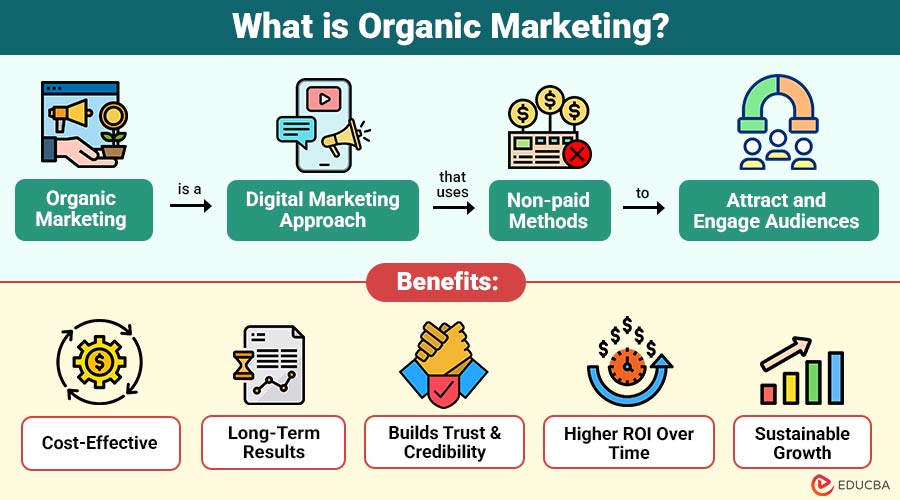
Organic marketing is a digital marketing approach that uses non-paid methods to attract and engage audiences. It depends on creating valuable content and optimizing it so that users naturally discover a brand through search engines, social media platforms, or word-of-mouth.
The core idea is simple: instead of pushing advertisements to users, organic marketing pulls users toward the brand through relevance and usefulness.
Table of Contents:
Key Takeaways:
- Organic marketing focuses on attracting audiences through content, building trust, and long-term engagement without paid advertising.
- Consistency in SEO, content, and social media efforts drives sustainable growth and strong returns over time.
- Organic marketing requires patience, continuous optimization, and understanding of audience behavior to achieve results and visibility.
- Combining SEO, content marketing, social engagement, and email strategies creates an ecosystem for traffic and conversions.
How Does Organic Marketing Work?
Organic marketing aligns content and brand messaging with user intent. When users search for information or engage with content online, search engines and social platforms prioritize relevance and quality.
For example:
- Google search results display a blog optimized with SEO.
- Sharing engaging social media posts increases reach.
- Helpful email content builds trust and repeat engagement.
Over time, these interactions compound, leading to increased traffic, brand recognition, and conversions without direct advertising expenses.
Key Components of Organic Marketing
Here are the key components that drive successful organic marketing strategies and sustainable brand growth:
1. Search Engine Optimization
By improving content, keywords, and technical components, search engine optimization (SEO) raises a website’s ranking in search results and draws steady organic visitors.
Key elements include the following:
- Keyword research
- On-page optimization (titles, meta descriptions, headers)
- Technical SEO (site speed, mobile-friendliness)
- Backlink building
Higher rankings increase visibility and bring consistent traffic without paying for ads.
2. Content Marketing
Content marketing focuses on creating valuable, pertinent content to educate, inform, and engage audiences, building trust, authority, and long-term relationships that drive consistent organic traffic and conversions.
Types of content include:
- Blog posts
- Articles
- Videos
- Infographics
- E-books
Valuable content builds authority and encourages users to return to your platform.
3. Social Media Marketing
Organic social media marketing uses unpaid posts, interactions, and engagement strategies to build brand awareness, connect with audiences, and grow followers naturally across platforms over time.
Key strategies:
- Regular posting
- Engaging with followers
- Sharing valuable insights
- Using trending hashtags
Platforms like Instagram, LinkedIn, and Twitter help amplify your organic reach.
4. Email Marketing
Email marketing nurtures relationships by sending valuable, personalized content to subscribers, building trust, encouraging engagement, and driving conversions organically without relying on paid promotions.
Key Strategies:
- Email list segmentation to target particular consumer segments
- Customizing content according to user choices and behavior
- Maintaining a consistent sending schedule
- Crafting engaging subject lines and clear calls-to-action
5. Word-of-Mouth Marketing
Word-of-mouth marketing relies on satisfied customers sharing positive experiences, recommendations, and reviews, helping build trust, credibility, and organic brand growth through authentic, peer-driven promotion.
Forms include:
- Reviews
- Testimonials
- Referrals
This is one of the most powerful forms of organic marketing, as it builds trust instantly.
Types of Organic Marketing Strategies
Here are the major types of businesses that use to attract and engage audiences organically without paid promotions:
1. Inbound Marketing
Inbound marketing attracts users by offering helpful content instead of ads, focusing on solving problems and building long-term trust relationships.
2. Content-Driven Marketing
Content-driven marketing focuses on creating high-quality content that educates, informs, or entertains audiences, helping build authority and long-term audience engagement.
3. Social Engagement Strategy
Social engagement strategy increases visibility by encouraging likes, shares, comments, and conversations, businesses connect with audiences and strengthen relationships organically.
4. SEO-Driven Strategy
SEO-driven strategy focuses on search engine rankings through keyword research, on-page optimization, and enhancements to increase organic traffic and visibility.
Benefits of Organic Marketing
Here are the benefits that make organic marketing a powerful and sustainable strategy for long-term growth:
1. Cost-Effective
Organic marketing reduces dependence on paid ads, allowing businesses to attract audiences consistently without ongoing expenses, making it budget-friendly in the long term.
2. Long-Term Results
Organic strategies keep bringing in visitors and driving engagement even after the initial efforts, giving lasting visibility and steady results without requiring additional spending.
3. Builds Trust and Credibility
Users trust organic content more than advertisements because it appears authentic, informative, and unbiased, helping brands establish credibility and stronger relationships with their audiences.
4. Higher ROI Over Time
Though slow initially, organic marketing delivers higher returns over time by continuously attracting qualified leads without increasing costs, improving overall marketing efficiency.
5. Sustainable Growth
Organic marketing supports steady business growth by building strong foundations through SEO, content, and engagement, resulting in long-term audience retention and scalability.
Challenges of Organic Marketing
Here are the common challenges businesses face when implementing and maintaining effective organic marketing strategies:
1. Time-Consuming
Organic marketing strategies demand consistent effort and patience, as results take time to appear and require ongoing optimization.
2. Competitive Landscape
High competition in search rankings and social media makes it difficult for businesses to gain visibility and attract an audience.
3. Algorithm Dependency
Frequent algorithm updates by search engines and platforms can impact visibility, requiring businesses to adapt strategies regularly and quickly.
4. Requires Expertise
Successful organic marketing needs strong knowledge of SEO, content creation, and analytics to plan, execute, and optimize campaigns effectively.
Real-World Examples
Here are practical examples that show how businesses successfully use organic marketing to drive engagement and growth:
1. Blogging for SEO
A company publishes keyword-focused blog articles, which gradually rank on search engines and consistently drive organic traffic over time.
2. Viral Social Media Content
A brand creates engaging videos that audiences share widely, boosting visibility, reach, and engagement organically without spending on paid promotions.
3. Email Newsletters
Businesses send regular newsletters with useful content, strengthening relationships, improving engagement, and encouraging repeat interactions from subscribers over time.
4. YouTube Educational Content
Brands create informative tutorials on YouTube, helping users solve problems while building authority, trust, and attracting consistent organic subscribers over time.
Best Practices for Organic Marketing
Here are essential practices that help maximize the effectiveness and long-term success of organic marketing efforts:
1. Focus on High-Quality, User-Centric Content
Create valuable, relevant content that addresses user needs, solves problems, and delivers meaningful information to consistently build trust.
2. Use SEO Best Practices Consistently
Apply keyword research, on-page optimization, and technical SEO techniques consistently to improve search rankings and increase organic visibility.
3. Maintain a Regular Posting Schedule
Publish content consistently across platforms to keep your audience engaged, improve visibility, and build a reliable and recognizable brand presence.
4. Engage Actively with your Audience
Respond to comments, messages, and feedback promptly to build relationships, encourage interaction, and foster a loyal and engaged community online.
5. Analyze Performance using Tools like Google Analytics
Track metrics such as traffic, engagement, and conversions with analytics tools to evaluate performance and make informed marketing decisions.
Final Thoughts
Organic marketing builds a strong digital presence through consistent, value-driven strategies. Though it takes time, it delivers long-term benefits such as trust, credibility, and cost efficiency. By using SEO, content, social media, and community engagement, businesses can attract loyal audiences organically, making it essential for sustainable growth and long-term success.
Recommended Articles
We hope that this EDUCBA information on “Organic Marketing” was beneficial to you. You can view EDUCBA’s recommended articles for more information.

