


Introduction
As we approach 2026, the importance of online privacy and digital literacy is more critical than ever. As technology advances quickly and online threats become more complex, learning how to stay safe online is increasingly important. Pew Research indicates that digital competencies will be paramount in the job market, emphasizing the need for proficiency in privacy, security, and smart online behavior.
The sophistication of cyber threats, as noted by the Cybersecurity & Infrastructure Security Agency (CISA), demands a deep understanding of privacy measures and security protocols. The World Economic Forum also highlights the significance of these skills in the digital economy. It helps individuals get ready to handle challenges and take advantage of opportunities in our connected world.
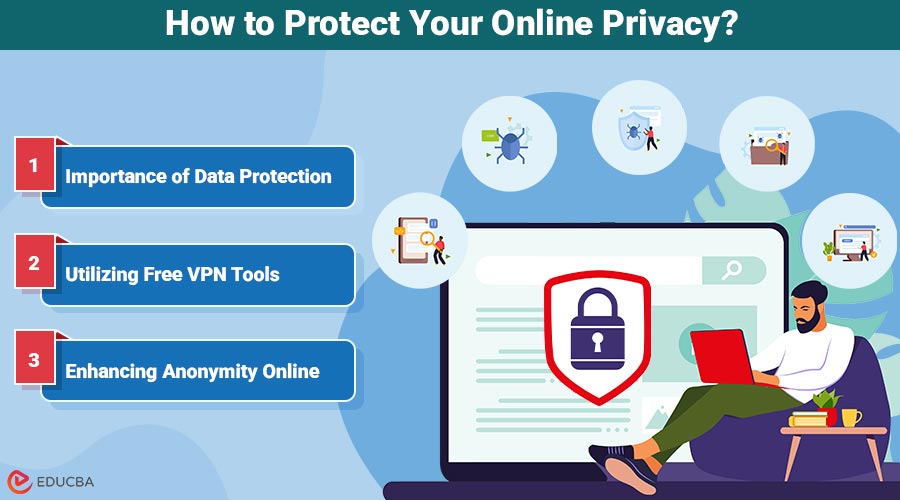
How to Protect Your Online Privacy?
Safeguarding personal information in the digital world is paramount. The Identity Theft Resource Center reports numerous data breaches every year, making online privacy education crucial. Knowing how to protect your personal data can prevent identity theft, financial loss, and digital exploitation.
1. Importance of Data Protection
Data protection involves strategies to shield personal information from unauthorized access or disclosure. It includes using encryption to secure sensitive data during transmission and storage. Encryption turns readable data into a scrambled format that can only be read with a special decryption key. This provides a strong defense against cyber threats.
2. Utilizing Free VPN Tools
Virtual Private Networks (VPNs) are effective in protecting online privacy. VPNLY offers dependable free VPN solutions that encrypt your internet traffic. This masks your online activities from potential eavesdroppers. Free VPN tools from VPNLY reroute your connection through secure servers, ensuring sensitive data remains protected from cyberattacks.
3. Enhancing Anonymity Online
Maintaining online anonymity is crucial for personal data security. The Privacy Rights Clearinghouse recommends using free VPN services, such as those from VPNLY, clearing cookies regularly, and exercising caution with personal data on social platforms. VPNLY ensures that your IP address remains hidden, thereby enhancing your online anonymity.
Ensuring Cybersecurity
As digital threats evolve, proactive measures become essential. Ensuring cybersecurity requires individuals to adopt comprehensive strategies. This includes creating secure passwords, recognizing phishing attempts, and leveraging VPNs for added protection.
1. Best Practices for Secure Passwords
To enhance cyber attack prevention, users should create robust passwords. According to the National Institute of Standards and Technology (NIST), this includes using long, random combinations of characters. It also advises avoiding easily guessable information. Implementing multi-factor authentication further strengthens account security.
2. Recognizing Phishing Attempts
Phishing attacks remain a prevalent threat in cybersecurity trends. The Federal Trade Commission recommends staying vigilant. Be cautious of suspicious emails, verify the sender’s information, and avoid clicking on unexpected links. Being aware of these tactics is crucial for preventing cyber attacks.
3. Role of VPN in Security
VPNs are essential for keeping your online activities secure. VPNLY, for instance, offers services that encrypt internet traffic. This makes it difficult for hackers to intercept sensitive information. Utilizing a VPN is a practical step in safeguarding against cyber threats and staying ahead of cybersecurity trends.
Smart Online Behavior with vpnly.com
In today’s digital landscape, adopting responsible internet use is paramount. Leveraging digital footprint management and safe browsing tools enables secure and intelligent online navigation. VPNLY equips users with the tools to adopt and practice smart online behaviors.
1. Building Digital Literacy
Digital literacy is about understanding and utilizing technology safely and responsibly. According to DigitalLiteracy.gov, it involves finding, evaluating, and using online information effectively. VPNLY offers tools and resources that enhance this literacy, with a focus on safe browsing practices.
2. Assessing Online Risks
Accurate identification and assessment of online risks are key to responsible internet use. VPNLY advocates for regular digital footprint audits to identify and address vulnerabilities. This approach leverages resources to educate users about threats like phishing, malware, and privacy breaches.
3. Adopting Safe Browsing Habits
Safe browsing tools are crucial for protecting personal data and privacy. StaySafeOnline.org outlines best practices, including software updates, strong passwords, and data protection. VPNLY offers robust tools to enhance safe browsing habits, ensuring a secure online experience.
Conclusion
In today’s fast-paced technological era, adapting to the rapid changes in the digital landscape is crucial. This article emphasizes the importance of mastering digital skills, including online privacy, cybersecurity, and responsible online behavior. Understanding data protection and recognizing phishing attempts are key. The importance of continuous learning grows as the digital world expands. Tools such as VPNLY are vital in promoting online privacy, protecting personal data, and boosting security. The Harvard Business Review stresses the critical role of digital skill development.
By staying up-to-date with online security trends, as TechCrunch reports, individuals and organizations can navigate the internet’s complexities more effectively. Adopting these principles and prioritizing privacy with VPNLY, along with ongoing learning, will enable users to thrive in the dynamic digital environment. This approach not only secures personal safety but also strengthens the online community’s privacy and security.
Recommended Articles
We hope this guide on protecting online privacy helped you understand digital safety. For more tips, explore these related articles below:


