


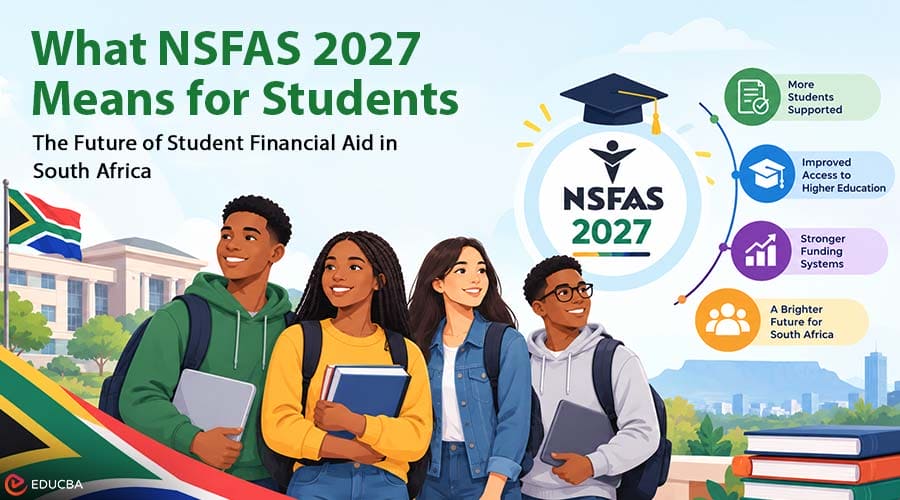
Access to higher education in South Africa is closely tied to students’ and families’ ability to afford tuition, accommodation, learning materials, and everyday study expenses. For students who cannot afford these costs, financial aid can make the difference between continuing their education and having to postpone their plans. The National Student Financial Aid Scheme (NSFAS) remains a major part of South Africa’s student funding system. As the country enters the academic cycle, NSFAS 2027 highlights the application process, digital services, verification, and how students can manage their funding applications.
NSFAS 2027: A New Funding Cycle
The NSFAS 2027 application cycle officially opened on 18 September 2026. The South African Government has announced that applications will close on 31st October 2026, while funding outcomes are expected to be communicated in December. Students have therefore been encouraged to apply early rather than waiting until the final days of the application period.
The 2027 cycle matters because demand for student financial assistance continues to pressure funding systems. More students need reliable information about eligibility, applications, supporting documents, and funding decisions. For applicants, the lesson is straightforward: treat student funding as part of academic planning rather than something to consider only after admission.
A More Digital Approach to Student Funding
Technology is becoming increasingly important in administering financial aid. Students now expect to complete applications, upload documents, and follow funding-related information through online platforms. The NSFAS application process gives students an online way to create or access their myNSFAS accounts, complete personal and household information, provide consent for verification, and submit supporting documents.
This digital approach can make financial aid more accessible, particularly for students who live far from institutions or government offices. However, it also means applicants must understand how online systems work and ensure their information is accurate before submitting an application.
Verification Will Remain an Important Part of Funding
One of the most important developments in modern student financial aid is the increasing use of digital verification. For NSFAS applicants, information may need to be verified against relevant government and institutional records. This makes accurate personal information and supporting documentation particularly important.
A digital application does not eliminate the need for careful preparation. Students should check their details, provide the required documents, and retain their application reference information. These simple steps can help resolve issues more easily when an application requires additional information.
Why Students Need to Monitor Their Applications?
Submitting an application is not necessarily the end of the funding process. Students need to remain informed about changes to their application and respond when further information is requested. This is where an NSFAS Status Check becomes useful. Regularly checking an application’s status can help students understand whether their information is still being verified, whether additional documentation is required, or whether a funding decision has been recorded.
Monitoring an application can also reduce the risk of overlooking an important update. Students should use official NSFAS channels to check their application and avoid relying on unverified information shared on social media or unofficial websites.
Beyond Tuition: The Wider Cost of Studying
The future of student financial aid is not only about paying tuition fees. Students also face expenses for accommodation, learning materials, transport, and daily living. NSFAS funding has therefore become part of a broader conversation about the total cost of participating in higher education and vocational training.
For students who relocate to study, accommodation can represent a particularly significant expense. This means future funding systems need to consider how financial assistance interacts with the real costs students experience throughout the academic year.
Supporting Universities and TVET Students
Student financial aid also supports different pathways through post-school education. Universities remain an important destination for students pursuing academic qualifications, while Technical and Vocational Education and Training (TVET) colleges provide opportunities for vocational and occupational skills development.
The 2027 NSFAS cycle continues to serve students pursuing studies through these education pathways. A sustainable financial-aid system can therefore contribute not only to university participation but also to developing practical skills needed across the economy.
What Students Should Do for NSFAS 2027?
Students preparing for the 2027 academic year can take several practical steps:
- Start the NSFAS application as early as possible.
- Check the latest eligibility requirements before submitting.
- Make sure personal and household information is accurate.
- Prepare required supporting documents in advance.
- Keep the application reference number safe.
- Monitor the application after submission.
- Check official communications for requests or updates.
- Apply for admission to the relevant university or TVET college within its own deadlines.
- Consider accommodation and other study-related costs when planning financially.
Applying early also gives students more time to correct problems that may arise during the application or verification process.
The Future of Financial Aid in South Africa
The future of student financial aid will likely depend on more than increasing access to funding. Efficient administration, reliable digital services, accurate verification, and timely communication will all influence the student experience. The NSFAS 2027 cycle represents another step in this evolving system.
The government has highlighted efforts to strengthen NSFAS and improve its operational effectiveness, while students increasingly depend on digital platforms to manage their applications and funding information. For students, understanding how financial aid works is becoming just as important as knowing where to apply.
By preparing early, keeping information accurate, and monitoring their applications, prospective students can better navigate the financial side of higher education. Ultimately, the future of student financial aid is closely connected to the broader goal of making education and skills development more accessible. As South Africa continues to invest in its young population, effective financial-aid systems can help more students turn educational opportunities into long-term career and economic possibilities.
Recommended Articles
We hope this comprehensive guide to NSFAS 2027 helps you better understand the student funding process in South Africa. Check out these recommended articles for more insights and guidance on education, student funding, and financial planning.


