


How Migration Agents Help Visa Applicants Navigate the Process?
For many, a single visa application, or a family’s, can be overwhelming. It is a throwback to traditional immigration methods that require an isolated committee to stifle demands and tedious paperwork for a few slots. Migration agents guide applicants through each step of the application process. Their assistance helps minimise errors and increase the likelihood of approvals, thanks to their experience. Familiarity with the key functions these professionals perform will help applicants feel more ready.
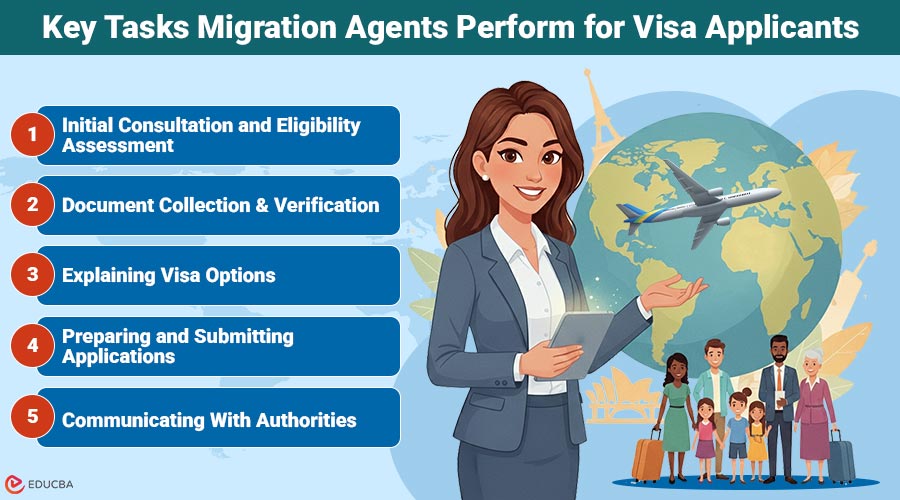
Key Tasks Migration Agents Perform for Visa Applicants
Here are the essential responsibilities migration agents handle to simplify the visa process and improve approval chances.
1. Initial Consultation and Eligibility Assessment
Migration agents first schedule an initial consultation meeting with clients. This is where they are open to hearing about your personal situation and your goals. The travel agent reviews the client base, qualifications, and reasons for migration. They examine in detail whether the applicant qualifies to apply for the visa that they want. Both parties can save money and time by implementing this step, which clarifies options early on. Working with a migration agent helps ensure deadlines are met during the application process.
2. Document Collection and Verification
Putting together the documentation that you need is one of the biggest challenges that anyone applying for a visa will face. Agents implement each checklist according to individual needs. They also assist clients in obtaining official documents such as IDs, certificates, and employment records. You must verify each document for accuracy and authenticity. By doing this, it minimises the risk of delays or rejections due to insufficient or incorrect information.
3. Explaining Visa Options
Every nation offers a variety of visas for different purposes. Migration agents are well-versed in differences and help clients choose the best option. This assistance is provided based on the individual’s family, job, and study plans. Agents explain the advantages and liabilities of every visa. This guidance helps applicants and their families make informed choices.
4. Preparing and Submitting Applications
It is a long and exhaustive application form. Agents complete forms on behalf of their clients and submit all answers with no mistakes. They attach the required supporting documents and check them again for accuracy. It is also important to comply with submission deadlines to avoid penalties. By taking this time to prepare, mistakes (and the time lost correcting them) are less likely to occur.
5. Communicating With Authorities
Migration agents communicate with immigration authorities after submitting the application, instead of individuals handling it themselves. They reply to enquiries seeking more information or clarification. Case status updates are provided to applicants regularly. Agents allay any concerns authorities have, which is a comfort to clients, as the prospective period can be stressful.
6. Health and Character Requirements
Most visa types contain some form of health checks or background checks. Agents are alerting clients to these obligations well in advance. Not so surprisingly, they refer to approved clinics for physical examinations and explain the procedures. If a client has a prior legal issue, the agents can provide guidance on the best way to disclose it in the application. Such information gives you the heads-up you need to avoid problems down the road.
7. Supporting With Appeals and Reviews
There may be instances of visa denial or delays in the process. Migration agents help you appeal or make a request for a review of the decision. They investigate the cause of the objection and, if necessary, organise extra documents. Agents clearly explain the available options so clients understand their next steps. And this support can be the difference between a good outcome and a bad one.
8. Providing Ongoing Guidance
Migration agents do not simply have a client/carrier relationship, where they take an application, submit it, and move on until they receive a result. Agents are still assisting with travel arrangements, settling in, and complying with visa requirements. Agents remind clients about visa renewals or extensions when necessary. The relationship continues this way for all applicants, so they feel guided and supported throughout.
Final Thoughts
Visa applications involve numerous steps and potential pitfalls, but migration agents simplify the process with their expertise and attention to detail. From eligibility assessment and document verification to application submission and ongoing support, these professionals increase the likelihood of successful outcomes. By relying on migration agents, applicants can focus on their plans with confidence, knowing they are guided and supported at every stage.
Recommended Articles
We hope this guide helps you understand the role of a Migration Agent. Check out these recommended articles for more insights on navigating the visa process successfully.

