


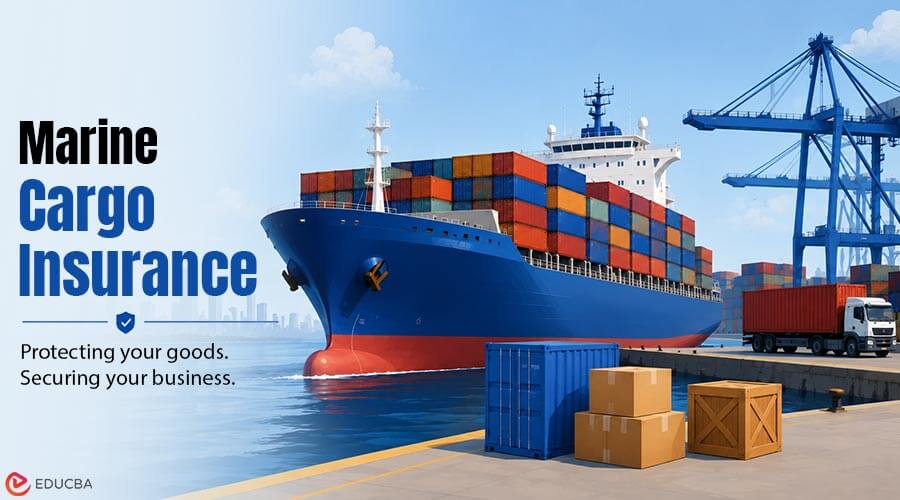
A delayed shipment is a logistics problem. A damaged shipment can become a financial one too. The value of the goods and the circumstances surrounding the transit can determine how significant that impact is for a business. Marine cargo insurance may provide financial protection against certain insured loss or damage to goods in transit, subject to the applicable policy terms.
What Can Marine Cargo Insurance Cover During Transit?
Goods can pass through several hands and locations before they reach the buyer. The risks involved can also change with the mode of transport, route, and nature of the cargo. Depending on the policy, marine insurance may address certain loss or damage to insured goods during transit.
Some areas that may fall within the scope of cover include:
- Transit accidents: Events such as collisions, overturning of carrying vehicles, or other transport-related accidents may be covered, depending on the policy.
- Natural events: Applicable policy terms may cover perils such as storms, floods, earthquakes, and other natural events.
- Loading and unloading: Loss or damage during specified cargo-handling stages may fall within the policy, subject to its conditions.
- Jettison: Some policies may cover losses from jettison, when the crew deliberately discards cargo during an emergency to protect the vessel and remaining cargo.
The scope of protection depends on the policy wording, including its terms, conditions, limits, and exclusions.
Which Marine Insurance Options Can Businesses Consider?
The way you ship goods can influence the type of policy arrangement you need. Businesses making occasional shipments may have different requirements from those moving cargo regularly.
| Policy Type | How It Generally Works |
| Single voyage policy | Applies to a specified shipment or voyage, subject to the policy terms |
| Open cargo policy | Can apply to multiple shipments during the policy period, subject to the agreed terms |
| Annual policy | Provides cover for the period specified in the policy |
Availability and scope can vary, so check the relevant policy document before choosing cover.
What Should You Check Before Choosing a Marine Cargo Cover?
Start with the goods themselves. Their nature, value, packaging, route, and mode of transport can all be relevant when assessing your insurance requirements.
It is also worth checking:
- Transit route: Review the locations and modes of transport used to move the goods.
- Cargo value: Consider the value of the goods being transported and the applicable sum insured.
- Handling arrangements: Understand how the cargo will be loaded, unloaded, stored, and transported.
- Policy conditions: Check the applicable limits, exclusions, deductibles, and other requirements.
- Duration of transit: Review the period and circumstances for which the policy applies.
Read packaging and handling requirements alongside the policy wording, rather than assuming they apply the same way across all policies.
Final Thoughts
A shipment does not simply move from one warehouse to another. It may pass through different transport modes, handling points, and locations before reaching its destination. For businesses that regularly move goods, understanding marine cargo insurance can make it easier to assess where transit insurance fits into their broader risk management approach.
Recommended Articles
We hope this guide to marine cargo insurance helps you better understand cargo risks and coverage options. Check out these recommended articles for more on insurance.

