


The Real Reasons Insurance Companies Offer Lowball Settlements
When you are injured, whether from a car accident, a slip-and-fall, or another mishap, you expect the insurance company to provide fair compensation. It is frustrating when the insurance company offers a lowball settlement that feels insulting. But these fast, low offers are designed to take advantage of your exhaustion, pain, and financial anxiety so that you will accept without question. Even though they know your case is worth more, they offer the lowest amount they think you will accept.
Accepting a bad offer is not reversible. Once you sign on that line, you can not go back and ask for more money when you realize your bills have increased. If that happens, you will be on the hook for all your ongoing medical bills, missed wages, and other expenses. So, why do insurance companies offer low settlements if they know a case is worth more? There are many reasons, and it is all tied to their profits.
Why Insurance Companies Use Lowball Settlements?
Every insurance company operates to make a profit. Their bottom line depends on paying as little as possible while collecting as many premiums as possible. Lowballing is how they protect their profits. Every case is assigned a maximum payout limit that the adjuster cannot override. However, the first offer is usually far below that limit. Insurance adjusters have a financial incentive to lowball offers, as they earn bonuses for keeping payouts low. There is also significant internal pressure to keep payments low. It is their job to pay you as little as possible.
They Count on Your Lack of Expertise
Most people do not know how to value a personal injury claim. Insurance companies know people do not know how to calculate their long-term medical needs, non-economic damages, and future lost earning capacity. This is exactly why they come at you with a fast offer. They want you to accept it before you have the chance to realize the full extent of your injuries or contact an attorney.
Initial Lowball Settlements Rarely Cover All Damages
At first, a settlement may seem fair, covering immediate bills and a little extra. In reality, most lowball settlements cover only a fraction of your total damages and exclude long-term medical expenses like therapy, surgeries, or home care. Only a skilled personal injury lawyer can review your case and negotiate proper compensation.
Non-economic damages, like pain and suffering, are almost always excluded. Insurers cannot easily quantify these losses, so they often ignore them, hoping claimants will not realize they are recoverable.If stress, insomnia, or a reduced quality of life affects you, you may qualify for compensation but only with proper legal guidance. Insurers often undervalue lost wages, both past and future. They might offer a small amount for missed work, while long-term income loss, reduced work capacity, and chronic pain usually remain unaddressed until a lawyer intervenes.
Tactics Insurers Use to Undervalue Claims
Adjusters often try to keep your payout low by claiming your injury stems from a pre-existing condition, an old accident, or that you are not injured at all. They will also dispute your need for certain treatments to keep the offer low. A sneaky trick insurers use to get you to accept a low claim is telling you that you only have a limited time to accept their offer. By exerting pressure, they prey on your urgent need to pay your bills.
How to Avoid Falling for Lowball Settlements?
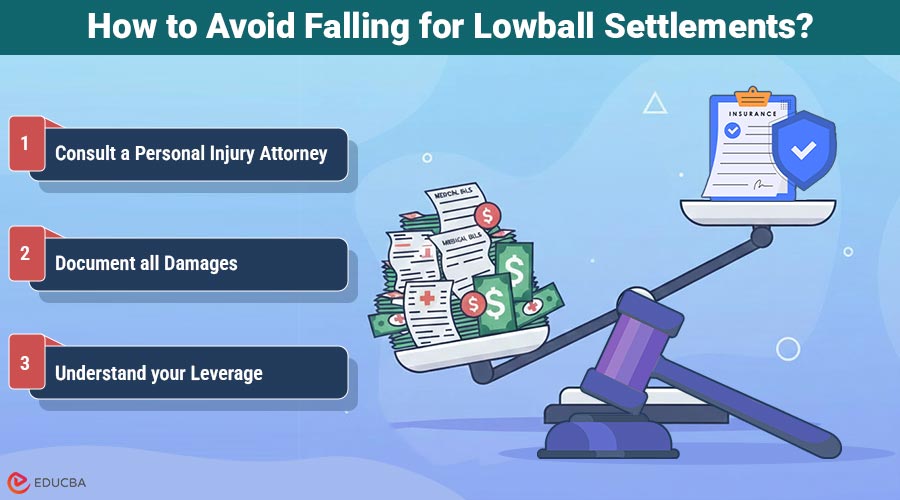
Treat the first settlement offer as a starting point, not the final amount. Here is how to protect yourself:
- Consult a personal injury attorney: Experts who can assess your case, determine fair compensation, and negotiate effectively.
- Document all damages: Keep detailed records of medical bills, lost income, and lifestyle changes caused by the injury.
- Understand your leverage: Insurance companies are more likely to offer fair settlements when they see you have legal representation.
By taking these steps, you can ensure that a lowball settlement does not leave you financially or emotionally shortchanged.
Final Thoughts
Understanding why these offers happen, what they typically exclude, and how insurers pressure claimants is essential to safeguarding your rights. Never accept an initial offer without consulting a lawyer, documenting all damages, and knowing the full value of your claim. With the right preparation and representation, you can turn a lowball settlement into a fair compensation package that covers both immediate and long-term needs.
Recommended Articles
We hope this guide helps you understand the pitfalls of lowball settlements. Check out these recommended articles for more insights and strategies to protect your personal injury claims.

