


Labor Shortage in Wooden Furniture: Overview
The furniture sector is facing a serious problem: a growing labor shortage in wooden furniture. The industry struggles to find skilled workers, slowing production and preventing factories from meeting customer demands. This leads to delayed orders and long wait times for customers. This issue is complex, involving workforce demographics, training gaps, and evolving market demands. Many experienced carpenters are retiring, while fewer young people are entering the trade. Cutting or eliminating vocational programs in schools widens the skills gap. Although factories increasingly use advanced machinery, human expertise remains irreplaceable.
Causes of the Skilled Worker Gap in Wooden Furniture
Identifying the root causes of the labor shortage in wooden furniture industry helps develop effective strategies to tackle it.
1. Aging Workforce and Knowledge Gap
One key cause is an aging workforce. Master craftsmen are leaving their jobs. They bring decades of knowledge. This knowledge is not being passed down. Another cause is a perception issue. Many view wooden furniture making as outdated. The younger generation prefers jobs in tech or in offices. They do not see it as a modern career.
2. Production and Quality Challenges
The lack of workers hurts factories daily. Production lines run under capacity. Managers struggle to schedule shifts. This leads to delayed deliveries. Retailers and consumers get frustrated. The reputation of makers suffers. Some companies turn down large contracts. They simply lack the hands to do the work.
3. Automation and Technology Limitations
Factories are increasingly investing in automation, such as CNC machines that cut wood with high precision using digital designs. While these tools improve efficiency, they cannot fully replace skilled humans. Machines still require trained operators and programmers, and intricate hand-applied finishes demand artisanal expertise.
4. Rising Cost of Raw Materials
Wood prices are volatile. This is another major challenge. Oak, maple, and walnut costs have soared. It links to many factors. Transportation issues increase costs. Climate events affect timber supply. The labor shortage makes it worse. Fewer drivers move logs. Fewer workers process them. The final cost of wooden furniture rises sharply.
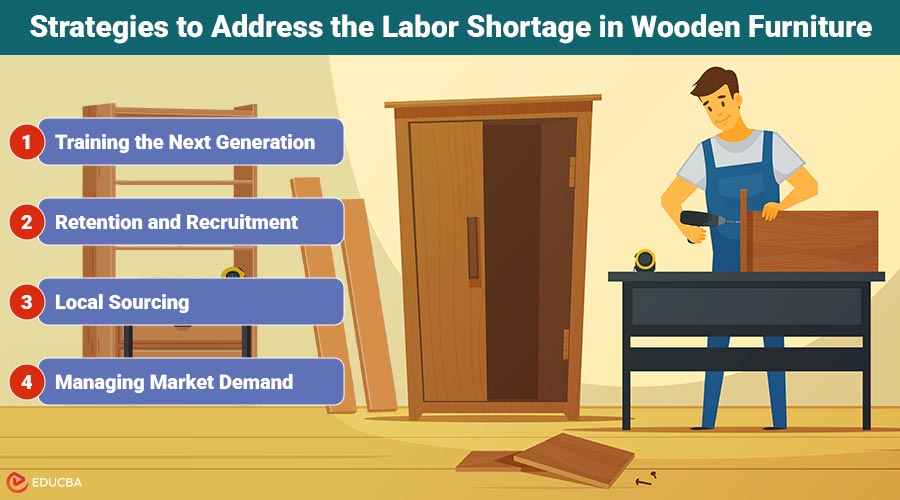
Strategies to Address the Labor Shortage in Wooden Furniture
Here are practical strategies for attracting, training, and retaining skilled workers, while managing production and market demands.
1. Training the Next Generation
Solving the shortage requires new training paths. These programs must promote careers in modern wooden furniture. They should highlight creative design and technological use. Scholarships can attract students. Successful craftspeople should visit schools. They can share their career stories. This builds a new pipeline of talent.
2. Retention and Recruitment
Companies must get creative. They can offer signing bonuses. Flexible work hours appeal to many. Cross-training keeps work interesting. An employee might learn to carve, then sand. Recognizing good work publicly boosts morale. Marketing should show modern, clean workshops. Social media can showcase exciting projects.
3. Local Sourcing
Some brands turn to local sourcing to control costs. They use nearby sawmills. This reduces transport delays. It also supports the regional economy. Local craftspeople can collaborate on projects. This builds a stronger community network.
4. Managing Market Demand
Demand for custom wooden furniture is rising. People want unique, durable pieces. Fast furniture from overseas is falling out of favor. This is good for quality makers. Customers want quick delivery. They also want perfection. Balancing these is the great challenge.
Final Thoughts
The labor shortage in wooden furniture is a complex issue that requires coordinated efforts from factories, schools, and governments. Investing in people, promoting the value of handcrafted furniture, and embracing modern technology while preserving traditional skills are key strategies. With focused action, the industry can overcome this challenge, ensuring a sustainable future and preserving the artistry of wooden furniture for generations to come.
Recommended Articles
We hope this guide on the labor shortage in wooden furniture helps you understand the industry’s challenges and solutions. Check out these recommended articles for more insights and strategies.

