


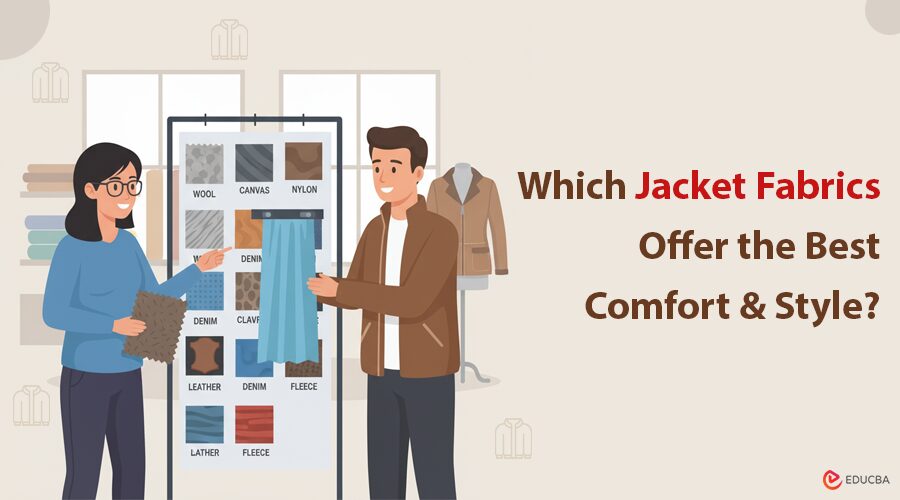
How do the Right Jacket Fabrics Enhance Comfort?
Selecting the appropriate jacket entails more than merely analyzing the design and color. It is important to consider comfort, utility, and the interaction of the jacket fabrics with the wearer’s skin. The construction fabric within the jacket heavily influences comfort, breathability, and durability. Whether the jacket is for daily attire, outdoor activities, or professional wear, it is the jacket’s fabrics that ensure the jacket meets expectations.
This article explores how the right jacket fabrics relieve discomfort and enhance warmth, flexibility, and style. Fabrics range from classic cotton to contemporary synthetic blends.
Understanding the Importance of Jacket Fabrics
The quality of jacket fabrics determines the overall garment quality, including:
- Weight
- Thermal properties
- Visual and construction quality.
Even the most stylish jacket will look unflattering if the fabric is of poor quality. Conversely, quality fleece or cotton blends provide comfort and warmth without sacrificing structure.
Online fabric store offer a wide variety of jacket accessory materials, from soft fleece to structured leather. Each fabric serves a distinct purpose.
The Science Behind Jacket Fabrics and Comfort
Comfort in a jacket depends on scientific principles related to the fabrics used in jackets. How a fabric interacts with the skin, manages moisture, and regulates temperature dictates how pleasant it is to wear.
Breathability and Moisture Control
Breathable jacket fabrics help prevent discomfort caused by sweat. Air circulation prevents moisture buildup. For warm climates and active wear, polyester and nylon are the best choices, while cotton, linen, and wool are better suited for mild weather.
For example, a black cotton jacket fabric is ideal for transitional weather because it stays cool without trapping heat.
Insulation and Warmth
In colder climates, fleece, wool, and padded synthetic jacket fabrics trap moisture and body heat. Modern designs often combine layers, such as a water-resistant outer shell with an inner fleece, to provide warmth without bulk.
Weight and Flexibility
A well-designed jacket should move with the body. Lightweight and flexible jacket fabrics, such as polyester blends and thin cotton, provide comfort. In contrast, leather and denim can feel heavy if not carefully designed and constructed.
Most Comfortable Jacket Fabrics and Their Uses
Understanding different jacket fabrics helps in choosing or designing comfortable jackets.
- Cotton: Cotton jacket fabrics are soft, breathable, and lightweight, making them perfect for mild climates. They are easy to maintain but lack water resistance, making them best suited for dry weather.
- Fleece: Fleece is a warm, soft synthetic jacket fabric ideal for cold weather. Lightweight and breathable, fleece provides long-lasting comfort.
- Wool: Wool jacket fabrics offer excellent insulation and moisture-wicking properties. Used in trench coats and blazers, wool adds sophistication and warmth.
- Leather: Leather jacket fabrics are durable, wind-resistant, and stylish. High-quality leather remains flexible but requires maintenance to prevent stiffness.
- Polyester: Polyester jacket fabrics are durable, water-resistant, and ideal for athletic or outdoor jackets. They are wrinkle-resistant and quick-drying.
- Denim: Tightly woven denim jacket fabrics give the jacket a structured, casual, yet stylish appearance. Black denim jackets are versatile and perfect for layering in mild weather.
Discomfort Factors in Jacket Fabrics
Even high-quality jacket fabrics can be uncomfortable if the design, lining, or fit is poor.
- Fabric and texture: Soft, smooth fabrics like brushed cotton or satin linings are comfortable, while rough, stiff fabrics irritate the skin.
- Lining: Silk, satin, fleece, or quilted polyester linings can significantly enhance comfort.
- Fit and structure: Jackets should allow movement without being restrictive. Pleats or stretch inserts can improve ease of motion.
Choosing Jacket Fabrics for Different Seasons
Comfort is also seasonal. A jacket may feel great in the winter, but become impossible to wear in the summer.
Jackets for the Summer
Wear a jacket made of lightweight cotton, linen, or thin polyester blends in summer to wick moisture and promote airflow.
A summer jacket made from black fabric is elegant and still breathable.
Jackets for the Winter
Winter calls for garments that trap and retain heat, and wool, leather, and fleece are perfect. Retaining heat in a layered design is ideal in winter, as it helps the jacket avoid becoming bulky and heavy.
A wool winter jacket or a padded polyester jacket in bulk is a great combination for affordability and comfort.
All-Season Jackets
Advanced synthetic blends with temperature-adaptive technology are great for all seasons. Their lightweight, breathable, and waterproof properties are ideal for outerwear.
Role of Technology in the Innovation of Fabrics
Technological advancements shape modern jacket fabrics:
- Moisture-wicking fabrics: These fabrics draw sweat away from the skin, allowing the wearer to stay dry and comfortable, even in athletic and outdoor jackets.
- Smart fabrics: Smart fabrics can respond to temperature changes and offer UV protection. Some have heated layers made for colder climates.
- Eco-friendly fabrics: Sustainability is the new trend. Recycled polyester, organic cotton, and biodegradable black clothing now provide comfort.
Tips for Choosing the Right Jacket Fabrics
Defining your needs, climate, and preferences will enable you to select the ideal fabric for your jacket.
- Consider climate and usage: If you reside in warmer regions, choose cotton or linen. In colder climates, opt for wool or fleece.
- Comfort over appearance: While style is important, comfort should be the primary priority. An elegant black fabric jacket should be breathable and well-fitting.
- Fabric quality: When purchasing from wholesale fabric stores or ready-made brands, pay attention to the texture, stretch, and quality of the stitching.
- Maintenance: Some fabrics require dry cleaning, and others are easily machine washable. Pick based on your convenience.
Trust Built from Knowledge About Fabric
Trust from consumers and trust from fashion brands are intertwined. If a customer understands why a jacket is comfortable, breathable, and durable, they will trust the brand.
Brands build trust and loyalty by sourcing materials ethically, being transparent, and using genuine wholesale fabrics.
Users trust a brand more when they have accurate information, which in turn leads to greater satisfaction.
Final Thoughts
Choosing the right jacket fabrics goes beyond style. Cotton is soft, fleece provides warmth, wool is sophisticated, and leather is durable. Knowledge of jacket fabrics ensures comfort, longevity, and satisfaction in your jacket choices.
Next time you select a fleece, cotton, or leather jacket, remember: comfort starts with the right jacket fabrics.
Frequently Asked Questions (FAQs)
Q1. Which jacket fabrics are most comfortable?
Answer: For comfort, cotton and fleece are the best options. Fleece is used to provide warmth in the winter, while cotton is breathable for the warmer months.
Q2. Are polyester jackets comfortable for everyday use?
Answer: Yes. Current polyester-friendly hybrid materials are lightweight and durable, and their moisture resistance makes them suitable for everyday use.
Q3. In what ways does the fabric affect the weight of the jacket?
Answer: More rigid forms of fabric, such as leather and wool, provide additional warmth but offer less flexibility in jackets, while lightweight options like cotton and nylon increase range of motion.
Q4. What is the reason behind the popularity of black fabric jackets?
Answer: Black fabric jackets are stylish, versatile, and easy to combine with almost any outfit. Additionally, they are better able to conceal any stains compared to lighter-colored garments.
Q5. Where can I find the best materials for jacket making?
Answer: You may shop for high-quality fabrics and eco-friendly cotton, wool, and polyester blends at fabric wholesale distributors.
Recommended Articles
We hope this article on jacket fabrics helps you understand how the choice of materials impacts comfort, style, and durability. Explore our related articles to learn more about fabric types, seasonal clothing tips, and selecting the perfect jacket for every occasion.

