


How to Register a Trademark Internationally?
In the modern global economy, businesses are no longer confined by national borders. Brands often expand into international markets to reach wider audiences, increase revenue, and establish global recognition. With this expansion comes the crucial need to protect intellectual property, particularly trademarks. International trademark registration ensures that a logo, brand name, or slogan is protected across multiple jurisdictions, safeguarding one of the most valuable assets of a business from infringement, misuse, or imitation.
This article outlines how to register a trademark internationally, along with the key systems, step-by-step process, and essential business considerations.
Why International Trademark Registration Matters?
A trademark registered in one country generally provides protection only within that jurisdiction. If a company plans to operate, manufacture, or sell products abroad, international trademark registration is necessary to protect its brand identity in those regions legally. Without it:
- Competitors may use or register a similar mark in foreign markets.
- Businesses may face costly legal battles to reclaim their identity.
- Market expansion could be delayed if rights are challenged abroad.
Therefore, international trademark registration is a proactive measure to protect brand reputation and maintain exclusive rights globally.
Options for International Trademark Registration
Unlike patents, there is no single worldwide system that grants universal trademark rights. However, businesses can pursue international trademark registration through two primary routes:
1. National or Regional Trademark Applications
Businesses can file trademark applications directly in each country or region where they seek protection. For example:
- Filing with the European Union Intellectual Property Office (EUIPO) grants protection across all EU member countries.
- Filing through the European Union Intellectual Property Office (EUIPO) protects every EU member country.
This method offers flexibility but can be costly and time-consuming when seeking coverage in multiple countries.
2. The Madrid System
The most efficient route for international trademark registration is through the Madrid System, administered by the World Intellectual Property Organization (WIPO). Currently, over 110 countries are members, covering most major markets worldwide.
Under this system:
- Applicants first register or apply for a trademark in their home country.
- They then submit an international application through their national trademark office, designating the foreign countries where protection is sought.
- WIPO forwards the request to each designated country, where the application undergoes examination under local laws.
The Madrid System simplifies international trademark registration by allowing one application, in one language, with a single set of fees, to secure protection across multiple jurisdictions.
Steps to Register a Trademark Internationally
1. Conduct a Trademark Search
Before filing, businesses should check whether similar trademarks already exist in target markets. A thorough search helps avoid rejection or disputes. Many intellectual property firms and online tools assist in global trademark searches, which is a critical step in international trademark registration.
2. Register in the Home Country
Most countries require businesses to have a national trademark application or registration before applying internationally. This is also a prerequisite under the Madrid System.
3. Choose the Filing Route
Businesses must decide whether to:
- File directly with foreign trademark offices, or
- Use the Madrid System for broader coverage.
This decision depends on target markets, costs, and whether the countries of interest are Madrid members.
4. Prepare the Application
A trademark application typically includes:
- The applicant’s name and details.
- Representation of the mark (logo, word, or symbol).
- Categories of products or services classified under the Nice Classification system.
- List of designated countries.
5. File the Application
- Under the Madrid System, the application is submitted to the home country’s IP office, which certifies it before forwarding it to WIPO.
- For direct filings, applications are submitted to each national or regional IP office.
6. Examination and Approval
Each designated country reviews the application in accordance with its local laws and regulations. Possible outcomes include:
- Approval and registration.
- Objections (which may require clarification or legal response).
- Rejection if the trademark conflicts with existing marks.
7. Trademark Registration and Protection
If approved, the mark is registered in each designated country. Trademarks registered through the Madrid System remain valid for 10 years and may be renewed without limit.
Key Considerations in International Trademark Registration
1. Costs
Trademark registration fees vary by country. The Madrid System is usually more cost-effective than filing separate national applications. However, legal fees for responding to objections may add to costs.
2. Territorial Limits
Trademark rights are territorial. Protection in one country does not extend automatically to others unless designated in the application.
3. Timeframe
International trademark registration can take several months to a few years, depending on the jurisdictions involved and whether objections arise.
4. Monitoring and Enforcement
Registration alone is not enough. Businesses should actively monitor markets for infringement and take enforcement action when necessary.
5. Strategic Markets
It is unnecessary to register in every country worldwide. Instead, businesses should prioritize markets where they currently operate, plan to expand, or face risk of counterfeiting.
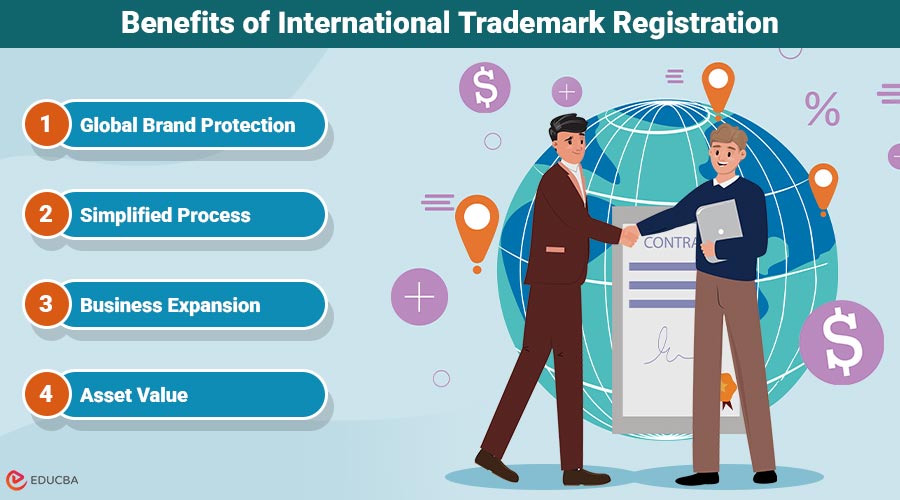
Benefits of International Trademark Registration
- Global Brand Protection: Prevents unauthorized use of a brand in international markets.
- Simplified Process: The Madrid System streamlines applications across multiple countries.
- Business Expansion: Helps secure legal rights before entering new markets.
- Asset Value: Trademarks are key intangible assets, and securing them globally increases a company’s overall worth.
Final Thoughts
Securing your brand through international trademark registration is a vital step for any business planning global expansion. It protects your identity, prevents misuse, and strengthens market presence across borders. By using the Madrid System or direct national filings, companies can streamline the process and safeguard their most valuable asset, their brand, worldwide.
Recommended Articles
We hope this guide on international trademark registration was helpful. Explore related articles on intellectual property rights, global business expansion strategies, and trademark protection tips to gain a deeper understanding of securing your brand in international markets.


