


Things International Students in Toronto Immigration Learn Too Late
Being an international student in Toronto is an exciting opportunity to gain a high-quality education, experience a new culture, and lay the foundation for a future career. Many students arrive with hopes of eventually obtaining permanent residence, building professional networks, and settling in Canada. However, navigating international students in Toronto immigration policies, labor regulations, and academic requirements in Toronto can be more complex than expected.
Without proper preparation, students may face unforeseen challenges that can delay their plans or cause unnecessary stress. Although first impressions are often exciting, international students soon find that understanding immigration policies is essential for making sound decisions. Most of them arrive with the assumption that a valid study permit guarantees their ability to remain in Canada after graduation. But unfortunately, this is not often the case.
Later, students are informed that even minor mistakes, such as errors in visa applications, misunderstandings of employment regulations, or failure to meet academic duties, can have long-lasting and significant consequences. There are numerous ways to avoid these problems by consulting a well-informed immigration expert, such as the most qualified Toronto immigration lawyer, who can provide clarity in complex scenarios.
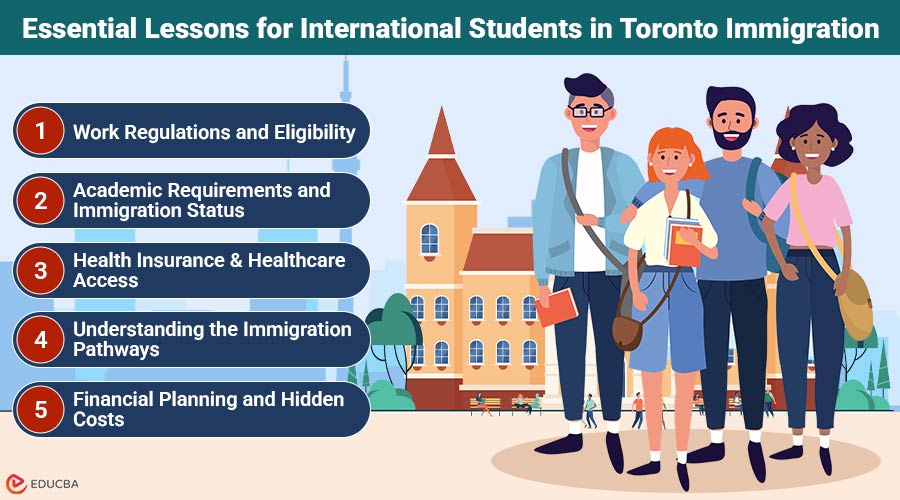
Essential Lessons for International Students in Toronto Immigration
Here are the key lessons and important considerations that international students often learn too late
1. Work Regulations and Eligibility
Work eligibility is one misconception among international students. Most students believe they are free to work in Canada or that the rules for on- and off-campus work are flexible. In fact, study permits are subject to certain conditions, and violations of the working-hour limits may jeopardize a student’s legal status. A lack of clear distinction between work allowed under a study permit and work requiring a separate work permit often leads to unintentional violations.
Another factor that students often underestimate is the need to apply for work authorization early. Post-graduation work permits (PGWPs) are time-limited; therefore, one must plan accordingly to remain eligible. Lapses in enrollment, or an inability to enroll in a qualifying program or to remain continuously enrolled in the course, can deny students this vital experience. These issues demonstrate why the input of immigration professionals may be invaluable, especially for those seeking the best chance of obtaining Canadian work experience.
2. Academic Requirements and Immigration Status
There is a larger role for academic performance in immigration status than most students realize. Late submission of coursework or taking leave without notifying the immigration authorities will affect the validity of a study permit. International students must attend eligible programs full-time; non-compliance may result in the cancellation of their permits. It is only when they face challenges that many students realize the close relationship that exists between academic status and immigration.
For example, a change of programs or institutions without the corresponding update to immigration records may create delays or complicate future visa applications. Knowledge of these rules at an early age would save them the stress they do not need and enable them to make strategic choices regarding their education and to preserve their position in Canada.
3. Health Insurance and Healthcare Access
Healthcare coverage is another aspect in which the international students are likely to be caught unawares. While Ontario offers the Ontario Health Insurance Plan (OHIP) to permanent residents and some temporary residents, many international students must obtain private health insurance through their institutions. Some students assume basic healthcare services are automatically covered, only to find out they may not receive reimbursement for doctor visits, prescription drugs, or hospital stays.
Lack of adequate insurance may result in financial losses and lawsuits. Students may be required to provide proof of coverage when extending their current permit or applying for a future permit. This underscores the need to understand healthcare requirements early and to plan adequately for how to meet medical expenses if they must spend time in a healthcare facility.
4. Understanding the Immigration Pathways
Most international students are attracted to Canada to obtain permanent residence one day, but the process is often not as straightforward as they imagine. Programs such as the Canadian Experience Class and provincial nominee programmes have eligibility criteria that include work experience, language proficiency, and program completion. Failure to understand these requirements may result in missed opportunities or application rejection.
Students often find that they cannot obtain permanent residency solely through postgraduate employment. The requirement to select based on its competitiveness, evolving immigration policies, and the addition of exhaustive paperwork necessitate adequate planning. Consulting specialists, such as the best Toronto immigration lawyer, can help identify the most appropriate approaches and prevent mistakes in the application process, which can prove rather expensive.
5. Financial Planning and Hidden Costs
Many students do not take the economic costs of attending university in Toronto seriously. Tuition, living costs, and other expenses can be very high, and unforeseen expenditures for permits, visa extensions, or legal consultations can further strain budgets. Most of them understand the broad costs, but they learn about other costs only when they arise, such as those for transferring programs, translating documents, or processing applications.
Financial planning is crucial for meeting immigration requirements. Students must also show they have sufficient funds to support themselves during their studies, a requirement for obtaining and renewing study permits. Poor financial planning can leave students vulnerable and risk their legal status. It is important to budget effectively and consult early with advisors who are familiar with immigration law.
6. Cultural and Social Integration
Acculturating in Toronto extends past education and the law. International students often experience cultural, social, and emotional problems that affect their personal well-being and academic performance. Wrong assumptions about workplace culture, housing contracts, or social norms may lead to issues that indirectly affect immigration status.
The students have not recognized the importance of forming support networks to help them acclimatize and receive practical advice. Using community groups, student associations, and immigration professionals can provide valuable insights and help minimize the risk of unforeseen challenges. It is important to learn how to navigate the local environment as much as to adhere to the law.
Final Thoughts
Studying in Toronto is a rewarding experience, but international students often encounter complexities beyond their expectations, particularly in immigration matters. Misconceptions regarding work eligibility, academic obligations, health insurance, financial planning, and immigration pathways can create significant challenges. Early consultation with knowledgeable professionals, such as a top Toronto immigration lawyer, helps students make informed decisions, achieve academic success, and pursue long-term residency ambitions with minimal stress and cost.
Being well-informed about Toronto immigration dynamics for international students helps them transition smoothly, focus on education, career development, and cultural integration, and build a strong foundation for a successful future in Canada.
Recommended Articles
We hope this guide on international students in Toronto immigration helps you better understand the opportunities of studying in Canada. Explore these recommended articles for more insights and practical guidance.


